

 English
 русский
 Español
 عربى
عربى-
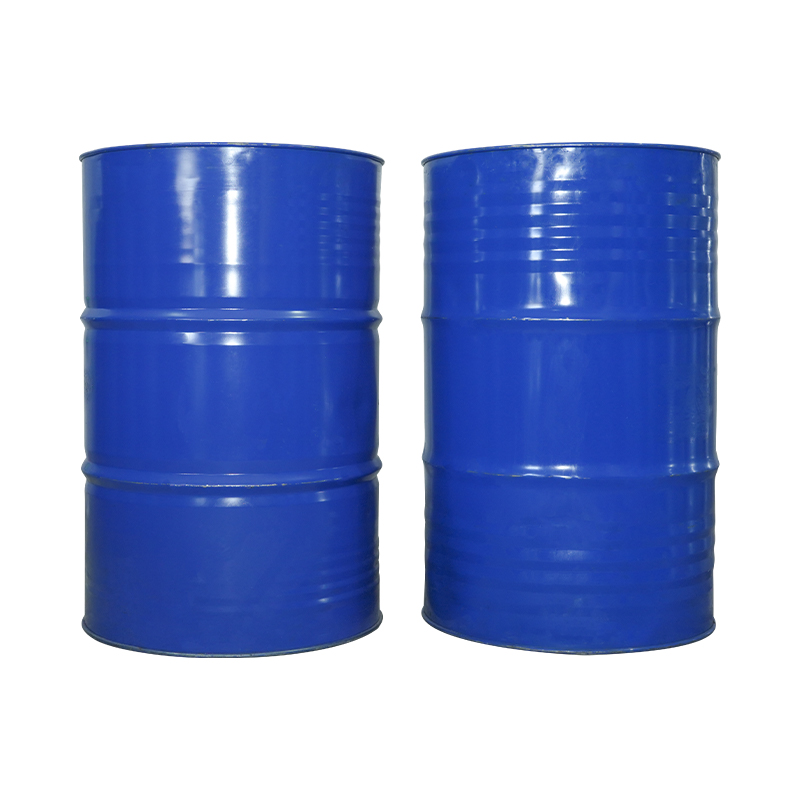 Alkyd Resins for Industrial Coatings
Alkyd resin is a commonly used base resin with high cost performance a...
-
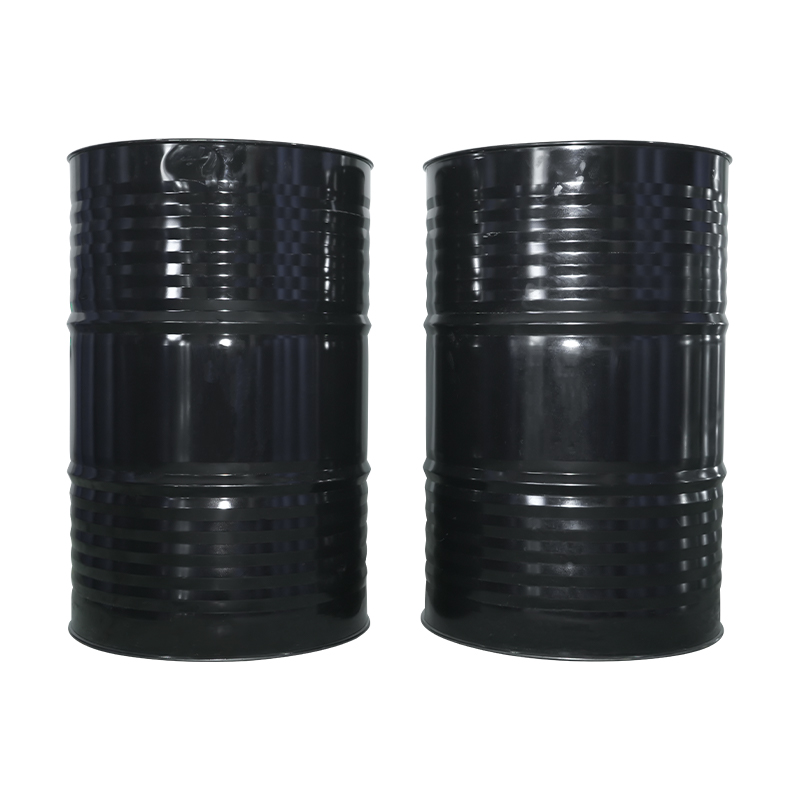 Self-drying Alkyd Resin
Self-drying alkyd resin is also one of the alkyd resins. This series o...
-
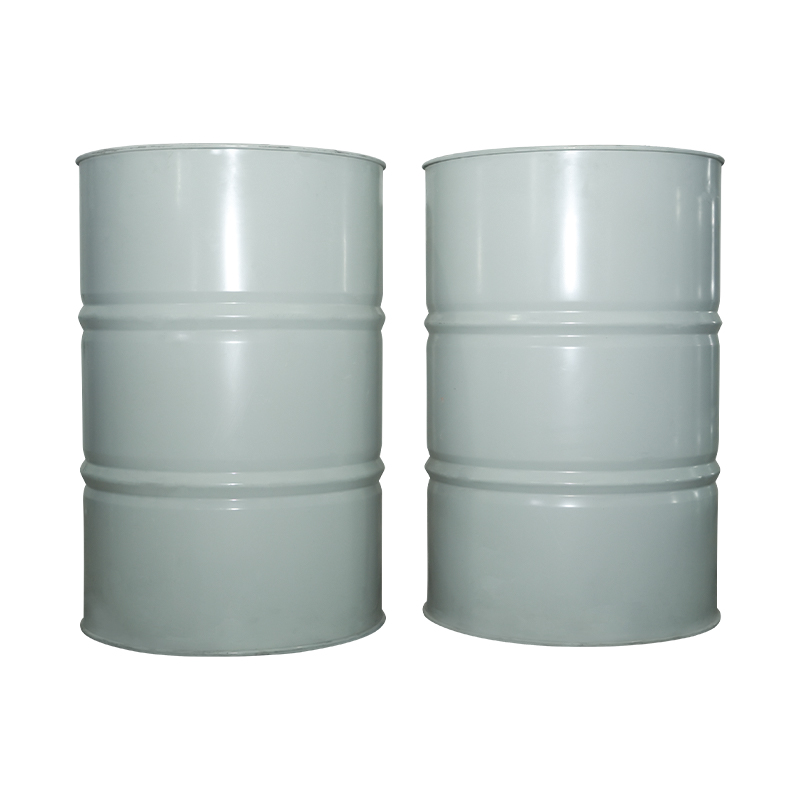 Solvent-based Hydroxy Acrylic Resin
It is one of the acrylic resins, but it is mainly used with isocyanate...
-
 Solvent-based Thermosetting Acrylic Resin
It is one of the acrylic resins. It is heated and cured with amino res...
-
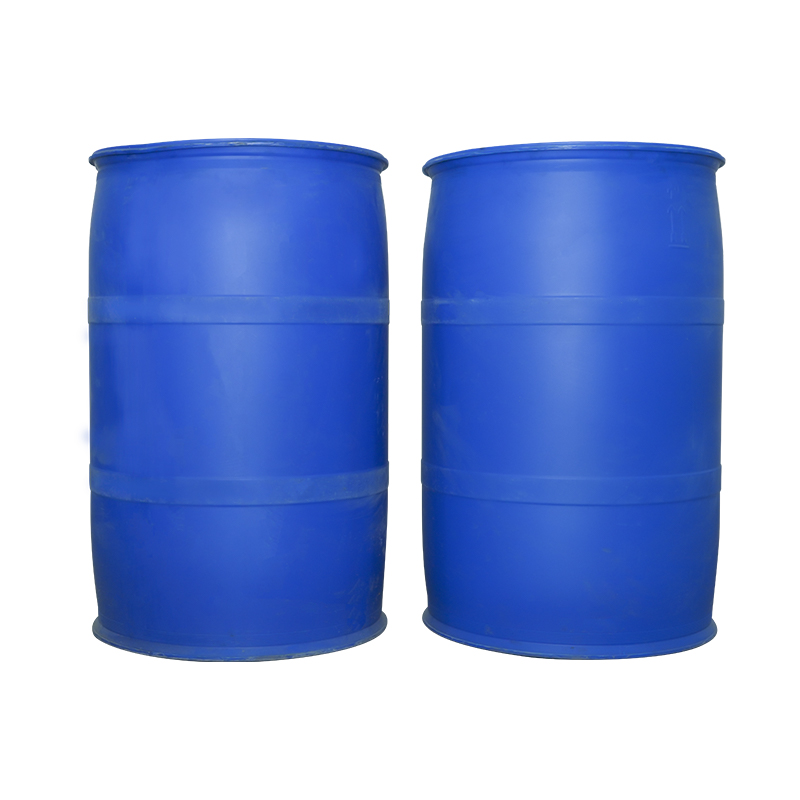 Solvent-based Thermoplastic Acrylic Resin
It is one of the acrylic resins. Its main features are single-componen...
-
 [email protected]
-
 No. 70, Linkage U Valley Industrial Park, Nanyue Road, Yixing City, Jiangsu Province, China.

 English
What Film-Forming Properties Does Solvent-based Hydroxy Acrylic Resin Provide?
Content
- 1 1. Understanding Film Formation in Solvent-based Hydroxy Acrylic Resin
- 2 2. Clarity and Gloss: Appearance After Film Formation
- 3 3. Adhesion to Substrates: How the Resin Bonds to Surfaces
- 4 4. Mechanical Properties After Film Formation
- 5 5. Chemical and Environmental Resistance
- 6 6. Durability and Film Stability Over Time
- 7 7. Film Thickness, Drying Behavior, and Curing Performance
- 8 8. Film Uniformity and Defect Control
- 9 9. Practical Applications Where These Film-forming Properties Matter
- 10 10. Limitations and Considerations
- 11 Conclusion
In modern coating systems, the film-forming behavior of a resin determines not only how easily a coating can be applied but also how it performs over time. Among numerous resin types, Solvent-based Hydroxy Acrylic Resin is commonly selected for applications where durability, mechanical stability, and controlled appearance are required. While many materials can form a film, not all achieve the same balance of hardness, flexibility, adhesion, or chemical stability. Understanding these characteristics helps users—whether manufacturers, applicators, or researchers—make informed decisions that align with project needs.
1. Understanding Film Formation in Solvent-based Hydroxy Acrylic Resin
Film formation begins when a resin-solvent mixture is applied onto a surface. As the solvent evaporates, resin chains approach one another, transition into a continuous matrix, and undergo crosslinking if functional groups are present. Solvent-based Hydroxy Acrylic Resin contains hydroxyl groups (–OH), which enable it to react with curing agents such as polyisocyanates or melamine resins. This chemical interaction is central to its final film structure.
Because the resin is dissolved in organic solvents, its film formation is less dependent on factors such as minimum film-forming temperature (MFFT) compared with water-based systems. This gives formulators more control over drying, curing, and final performance. However, solvent choice, temperature, humidity, and crosslinker compatibility still influence the process.
2. Clarity and Gloss: Appearance After Film Formation
One of the primary film-forming advantages of Solvent-based Hydroxy Acrylic Resin is its ability to provide a clear, glossy, and uniform coating. The reasons are largely structural:
2.1 Good polymer solubility
Because acrylic polymers are generally compatible with a range of organic solvents, the resin dissolves well without forming haze or micro-phase separation. This contributes to transparency.
2.2 Smooth leveling
During solvent evaporation, the resin maintains a sufficiently low viscosity to allow the film to self-level. A smoother surface typically produces higher gloss.
2.3 Reduced tendency to yellow
Acrylic chains resist UV-induced discoloration better than many other resins. While yellowing is not impossible, especially under severe exposure, the baseline stability supports long-term appearance retention.
These characteristics make Solvent-based Hydroxy Acrylic Resin useful in transparent coats, automotive refinish layers, and industrial surfaces where appearance matters. At the same time, appearance will still depend on formulation choices such as additives, pigment dispersion, solvent blend, and application technique.
3. Adhesion to Substrates: How the Resin Bonds to Surfaces
Coatings must adhere reliably to prevent peeling, cracking, or premature degradation. Solvent-based Hydroxy Acrylic Resin typically offers good adhesion across metals, plastics, wood, and composite materials. Several mechanisms contribute to this outcome:
3.1 Polar hydroxyl groups enhance surface interaction
The presence of –OH groups increases polarity and hydrogen bonding capability, which helps the resin anchor onto substrates.
3.2 Solvent wetting improves penetration
Organic solvents can partially soften or swell certain surfaces (e.g., plastics or previous coatings), enhancing adhesion by improving molecular interlocking.
3.3 Compatibility with adhesion promoters
Acrylic structures blend well with coupling agents like silanes or phosphates when used in metal substrates.
Despite these advantages, adhesion performance still depends on proper substrate preparation. Contaminants, rust, or grease can diminish film-forming integrity regardless of resin quality. The resin provides strong potential for adhesion, but real-world results rely on application practices.
4. Mechanical Properties After Film Formation
A coating’s mechanical integrity determines how it handles daily use, handling, and environmental movement. Solvent-based Hydroxy Acrylic Resin normally forms films that balance hardness, flexibility, and impact resistance. This balance comes from:
4.1 Tailorable polymer structure
By adjusting monomer composition (e.g., hard monomers like MMA vs. soft monomers like BA), manufacturers can tune hardness, toughness, and elasticity.
4.2 Crosslinking through hydroxyl groups
Once reacted with a curing agent, the resin forms a three-dimensional network. This enhances:
- scratch resistance,
- abrasion resistance,
- load-bearing capacity,
- and long-term structural stability.
4.3 Resistance to cracking
The acrylic backbone is naturally flexible and less prone to brittle fracture compared to some rigid thermosetting materials.
Because of these traits, Solvent-based Hydroxy Acrylic Resin is often used in flooring coatings, automotive parts, protective metal layers, and wood finishes. Still, extreme impacts or continuous deformation can degrade performance, so designers must match resin grade to application requirements.
5. Chemical and Environmental Resistance
Film-forming properties also relate to how the cured film withstands external chemicals. Solvent-based Hydroxy Acrylic Resin can, depending on formulation, provide resistance to water, mild chemicals, and everyday contaminants. This resistance stems mainly from its crosslinked film structure and acrylic chemistry.
5.1 Water and moisture
Acrylic films resist water penetration better than many natural resin films, which helps prevent swelling or rapid degradation. However, they are not fully waterproof without appropriate crosslinkers.
5.2 Resistance to oils and detergents
In automotive or industrial settings, the resin’s crosslinked network slows the penetration of oils, cleaning agents, and mild solvents.
5.3 UV and weather exposure
Acrylic polymers have good inherent UV resistance. When used in outdoor coatings, they typically require less stabilizer to maintain performance compared with other polymer families.
While these resistances are notable, users should be aware that strong acids, strong bases, or aggressive solvents may still soften or degrade the coating. Knowing environmental conditions helps determine whether the resin is suitable on its own or requires modification.
6. Durability and Film Stability Over Time
Durability derives from several film-forming characteristics working together: adhesion, crosslinking density, flexibility, and chemical resistance. Over time, many coatings deteriorate due to:
- UV light,
- mechanical stress,
- thermal expansion,
- and chemical exposure.
Solvent-based Hydroxy Acrylic Resin generally forms films resilient to these factors, especially when:
- cured properly,
- reinforced with appropriate additives,
- and applied under controlled conditions.
The drying and curing stage is particularly influential. If solvent evaporation is too fast or uneven, it may trap bubbles or create weak points in the film. Conversely, insufficient curing reduces crosslink density, limiting durability.
This means that the resin’s potential for long service life is strong, but successful outcomes require correct formulation and application.
7. Film Thickness, Drying Behavior, and Curing Performance
A resin’s film-forming ability includes how it behaves during application and curing. Solvent-based Hydroxy Acrylic Resin offers several practical characteristics:
7.1 Good control over film thickness
Because the resin dissolves well in solvents and maintains stable viscosity, applicators can achieve thin or thick films depending on need. Thicker films may require slower-evaporating solvents to prevent surface skinning.
7.2 Faster drying compared to water-based systems
Organic solvents typically evaporate faster than water and under a broader range of temperatures. This supports productivity, especially in industrial settings.
7.3 Compatibility with various curing systems
Hydroxyl groups allow the resin to participate in chemical curing with isocyanates, melamines, or blocked curing agents. Different curing agents create different levels of hardness and chemical resistance.
Yet, environmental regulations, workplace safety, and solvent emission limits should be considered. Solvent-based systems must be used responsibly, and VOC-friendly versions are increasingly preferred.
8. Film Uniformity and Defect Control
A well-formed coating is not just about chemistry; it’s also about avoiding defects such as pinholes, bubbles, craters, or uneven gloss. In this area, Solvent-based Hydroxy Acrylic Resin provides helpful characteristics:
8.1 Strong leveling performance
The resin flows smoothly before setting, reducing brush marks or spray inconsistencies.
8.2 Low surface tension
This helps the resin spread evenly across substrates.
8.3 Good compatibility with flow and leveling additives
Additives further refine uniformity for applications demanding high visual precision.
Nevertheless, application errors—such as contaminated spray equipment, high humidity, or improper solvent blends—can still create defects. The resin provides good potential; proper handling ensures full benefit.
9. Practical Applications Where These Film-forming Properties Matter
Because of its balanced performance, Solvent-based Hydroxy Acrylic Resin is commonly used in:
- automotive topcoats and refinishing layers,
- industrial metal coatings,
- wooden furniture finishes,
- machinery components,
- protective decorative layers,
- general industrial maintenance coatings.
In each domain, the resin’s film-forming capabilities—clarity, hardness, adhesion, durability—support predictable results. This is why the material continues to be adopted by coatings formulators even as water-based alternatives grow in popularity.
10. Limitations and Considerations
To provide an objective understanding, it is important to acknowledge limitations:
- Solvent content increases VOC emissions compared with water-based systems.
- Improper curing reduces chemical and mechanical performance.
- Very thick films may require careful solvent selection.
- High-temperature curing may be necessary for optimal crosslinking depending on the system.
Recognizing these boundaries helps users select the right resin for their environment and compliance requirements.
Conclusion
The film-forming properties of Solvent-based Hydroxy Acrylic Resin arise from both its acrylic backbone and its hydroxyl-functional structure. When formulated and applied properly, the resin yields coatings that are clear, smooth, adherent, mechanically reliable, and resistant to weathering and everyday chemicals. Its balance of performance features makes it valuable in industrial, automotive, and architectural coating systems.
However, its strengths should not be overstated. Real-world performance depends on careful formulation and correct application, including solvent selection, curing conditions, and surface preparation. By understanding these factors, manufacturers and users can achieve stable, durable, and visually appealing coating films based on Solvent-based Hydroxy Acrylic Resin.
PREV:Does Anti-settling Wax Slurry Also Provide Anti-Sag and Thixotropic Properties?NEXT:How does Water-soluble Thermosetting Acrylic Resin interact with pigments?
Interested in cooperation or have questions?


As Coatings Resins Manufacturers, Paint Resins Suppliers in China, Haisong adhering to the concept of "continuous innovation, professional service", I hope to work together with you, a common development!
Quick Link
Products
Contact Us
-
 +86-0510-87937687
-
 +86-0510-87072901
-
 [email protected]
-
 No. 70, Linkage U Valley Industrial Park, Nanyue Road, Yixing City, Jiangsu Province, China.
© 2024 Jiangsu Haisong New Material Technology Co.,Ltd. Foreign trade operated by Wuxi Haituo New Material Technology Co., Ltd. (wholly-owned subsidiary).

