

 English
 русский
 Español
 عربى
عربى-
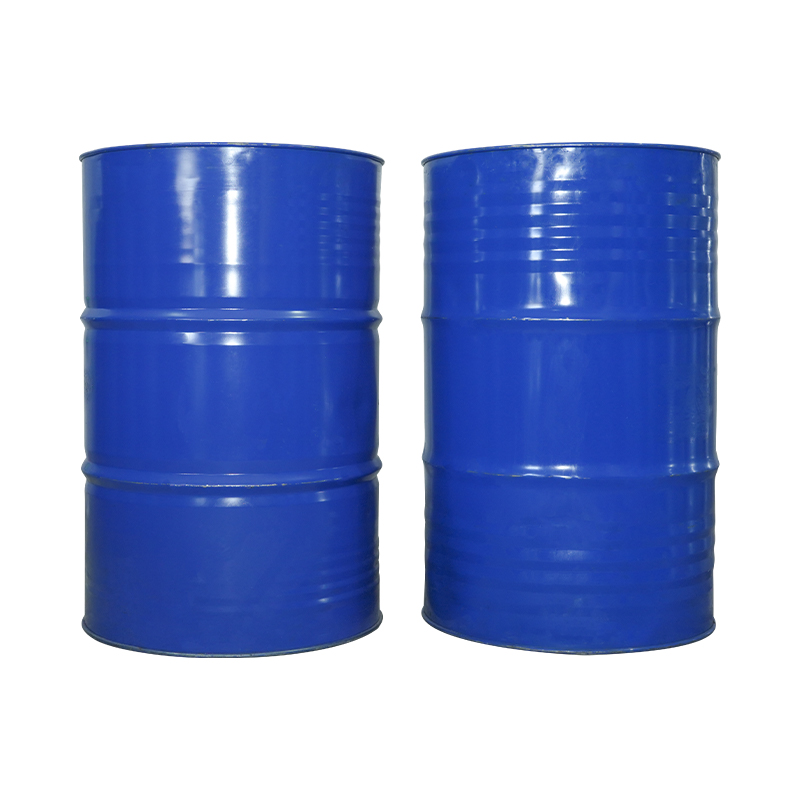 Alkyd Resins for Industrial Coatings
Alkyd resin is a commonly used base resin with high cost performance a...
-
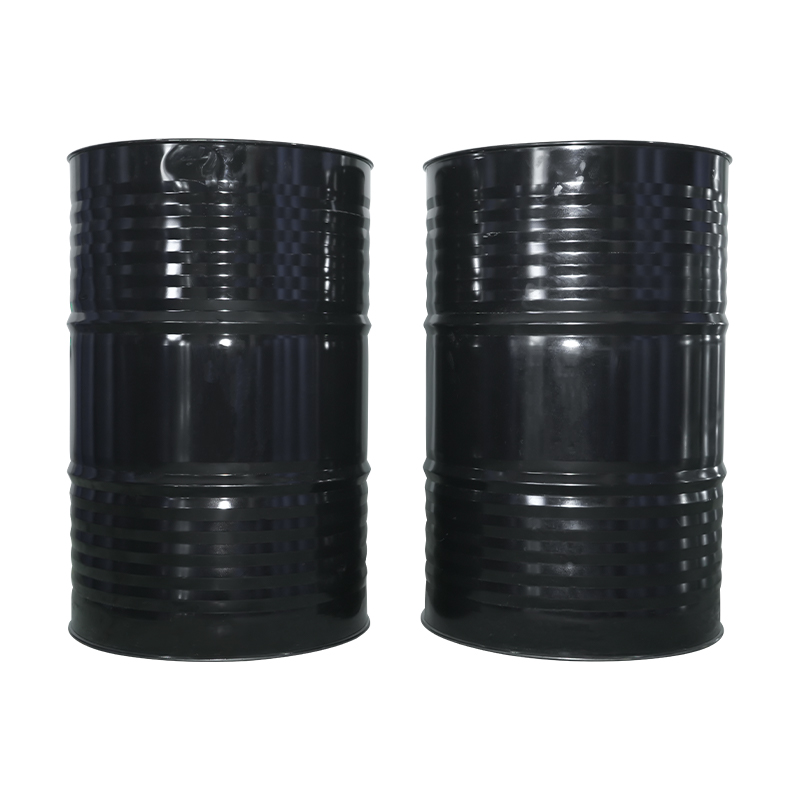 Self-drying Alkyd Resin
Self-drying alkyd resin is also one of the alkyd resins. This series o...
-
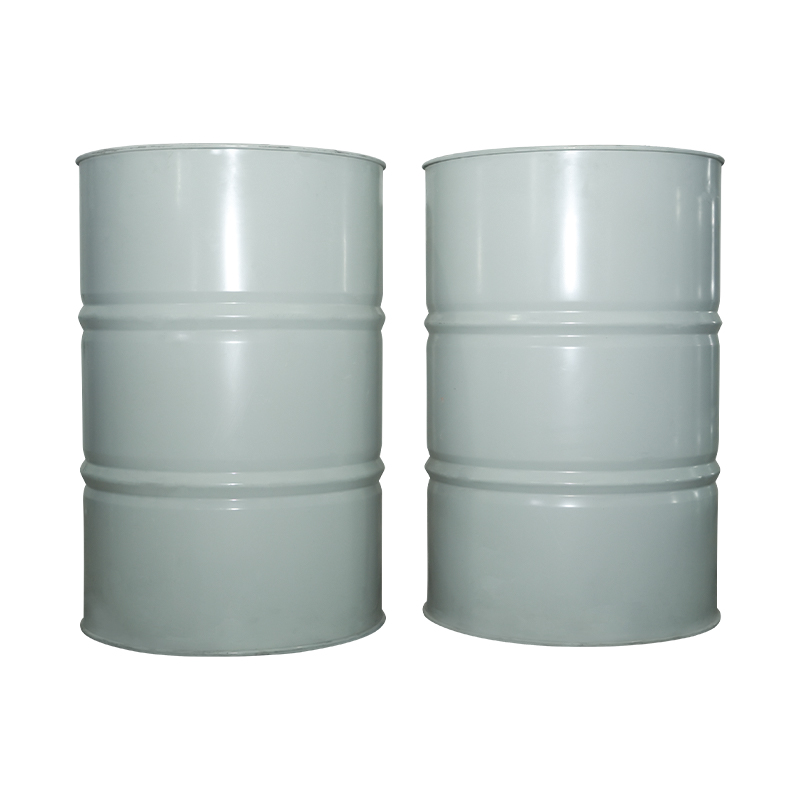 Solvent-based Hydroxy Acrylic Resin
It is one of the acrylic resins, but it is mainly used with isocyanate...
-
 Solvent-based Thermosetting Acrylic Resin
It is one of the acrylic resins. It is heated and cured with amino res...
-
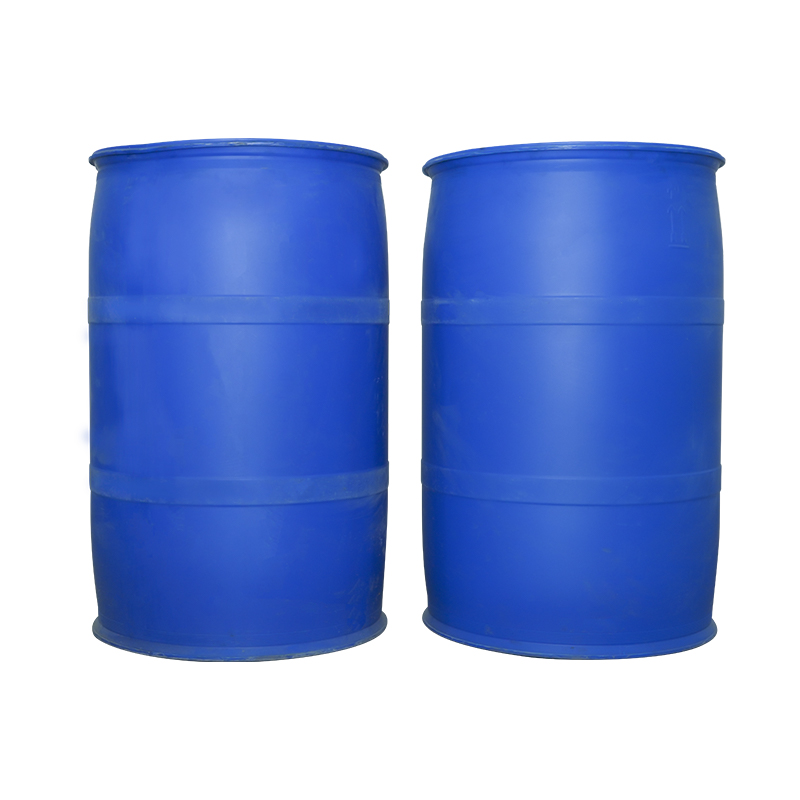 Solvent-based Thermoplastic Acrylic Resin
It is one of the acrylic resins. Its main features are single-componen...
-
 [email protected]
-
 No. 70, Linkage U Valley Industrial Park, Nanyue Road, Yixing City, Jiangsu Province, China.

 English
How does Water-soluble Thermosetting Acrylic Resin interact with pigments?
Content
Water-soluble thermosetting acrylic resin has become increasingly important in modern coatings, paints, and industrial applications. Its ability to provide a durable, smooth, and chemically resistant finish makes it a preferred choice in various industries. One of the critical aspects of using this resin is its interaction with pigments. Understanding this interaction is essential for achieving consistent color, optimal performance, and long-lasting coatings.
Understanding Water-soluble Thermosetting Acrylic Resin
Water-soluble thermosetting acrylic resin is a type of polymer that can be dissolved in water, forming a stable solution suitable for coating applications. Unlike traditional acrylic resins, thermosetting varieties undergo a chemical cross-linking reaction upon curing. This cross-linking creates a rigid, durable film that is resistant to chemicals, heat, and environmental stress. The water solubility aspect makes it environmentally friendly, as it reduces the reliance on organic solvents and decreases volatile organic compound (VOC) emissions.
When pigments are added to the resin, several physical and chemical processes occur that can affect the final appearance, stability, and durability of the coating.
How Pigments Interact with the Resin
1. Dispersion
The first step in the interaction between pigments and water-soluble thermosetting acrylic resin is dispersion. Pigments are solid particles, and for a coating to have a uniform color, these particles must be evenly distributed throughout the resin. The resin’s molecular structure and water solubility help in wetting the pigment particles, which prevents agglomeration and sedimentation.
Good dispersion ensures that the pigments do not settle during storage and that the coating has consistent color and opacity. Mechanical mixing, high-shear dispersion equipment, and proper formulation with dispersing agents are critical for achieving uniform pigment dispersion.
2. Stability
Once dispersed, pigments must remain stable in the resin system. Water-soluble thermosetting acrylic resin interacts with pigments through surface adsorption, electrostatic stabilization, and sometimes through hydrogen bonding. The ionic groups present in the resin can stabilize pigment particles, preventing them from clumping together or settling out of the solution.
Stability is crucial for long-term storage and for maintaining consistent color in the final application. Formulators often adjust the resin’s pH and use stabilizers to enhance pigment dispersion stability.
3. Color Strength and Opacity
The interaction between pigments and the resin affects both the color strength (how vibrant or intense the color appears) and opacity (how well it covers the underlying surface). Water-soluble thermosetting acrylic resin can influence pigment orientation and distribution within the cured film. Proper interaction ensures maximum hiding power and prevents color fading or dullness over time.
Certain pigments, particularly organic dyes, can be sensitive to the resin’s chemical environment. The resin’s compatibility with these pigments ensures that the intended color is achieved without unwanted chemical reactions.
4. Curing and Pigment Lock-in
Water-soluble thermosetting acrylic resin cures through a cross-linking reaction, which transforms the liquid coating into a solid, durable film. During curing, pigments become physically and chemically locked into the resin matrix. This lock-in prevents pigment migration, bleeding, or leaching, ensuring long-lasting color stability even under harsh conditions such as heat, moisture, or UV exposure.
This property makes thermosetting acrylic resins ideal for industrial coatings, automotive finishes, and decorative paints where durability and consistent appearance are critical.
5. Chemical Interactions
Some pigments can react with functional groups in the resin. For example, certain metal oxide pigments may interact with carboxyl or hydroxyl groups in the resin. While this interaction can sometimes improve adhesion and chemical resistance, it can also negatively impact curing or color if not carefully managed. Knowledge of pigment chemistry and compatibility testing is essential to avoid such issues.
Factors Affecting Pigment Interaction
Several factors influence how pigments interact with water-soluble thermosetting acrylic resin:
- Pigment Type: Organic and inorganic pigments behave differently. Inorganic pigments like titanium dioxide are more chemically stable, while organic pigments can be sensitive to pH, heat, or chemical interactions.
- Particle Size: Finer pigment particles disperse more easily but may require stronger stabilization to prevent flocculation.
- Resin Chemistry: The functional groups in the resin, molecular weight, and degree of water solubility affect pigment wetting, adsorption, and stabilization.
- Curing Conditions: Temperature, humidity, and curing time influence how pigments are locked into the resin matrix. Inadequate curing may lead to color unevenness or reduced durability.
- Additives: Surfactants, dispersing agents, and stabilizers enhance pigment dispersion and prevent settling or flocculation.
Practical Tips for Optimizing Pigment-Resin Interaction
- Pre-dispersion: Always pre-disperse pigments before adding them to the resin to prevent agglomeration.
- Compatibility Testing: Test pigment-resin compatibility to avoid color shifts or curing issues.
- Use Appropriate Additives: Incorporate dispersants and stabilizers to maintain long-term dispersion and prevent settling.
- Control pH: Maintain optimal pH for both the resin and pigments to avoid destabilization or chemical reactions.
- Cure Properly: Ensure curing conditions match the resin and pigment requirements to lock pigments effectively.
- Monitor Storage: Keep pigment-resin mixtures stable during storage by preventing temperature extremes or prolonged standing.
Conclusion
The interaction between pigments and water-soluble thermosetting acrylic resin is a complex yet essential aspect of modern coatings and paint formulations. Proper dispersion, stability, chemical compatibility, and curing are all critical to achieving high-quality, durable coatings with vibrant, consistent colors. Understanding these interactions allows formulators and manufacturers to create coatings that not only meet aesthetic requirements but also provide long-term performance and environmental advantages due to the water-based nature of the resin.
By carefully considering pigment type, particle size, resin chemistry, and processing conditions, manufacturers can optimize the performance of water-soluble thermosetting acrylic resin systems, resulting in coatings that are visually appealing, durable, and reliable across a wide range of applications.
PREV:What Film-Forming Properties Does Solvent-based Hydroxy Acrylic Resin Provide?NEXT:Does Polyester Modified Silicone Resin Enhance Weather Resistance?
Interested in cooperation or have questions?


As Coatings Resins Manufacturers, Paint Resins Suppliers in China, Haisong adhering to the concept of "continuous innovation, professional service", I hope to work together with you, a common development!
Quick Link
Products
Contact Us
-
 +86-0510-87937687
-
 +86-0510-87072901
-
 [email protected]
-
 No. 70, Linkage U Valley Industrial Park, Nanyue Road, Yixing City, Jiangsu Province, China.
© 2024 Jiangsu Haisong New Material Technology Co.,Ltd. Foreign trade operated by Wuxi Haituo New Material Technology Co., Ltd. (wholly-owned subsidiary).

