

 English
 русский
 Español
 عربى
عربى-
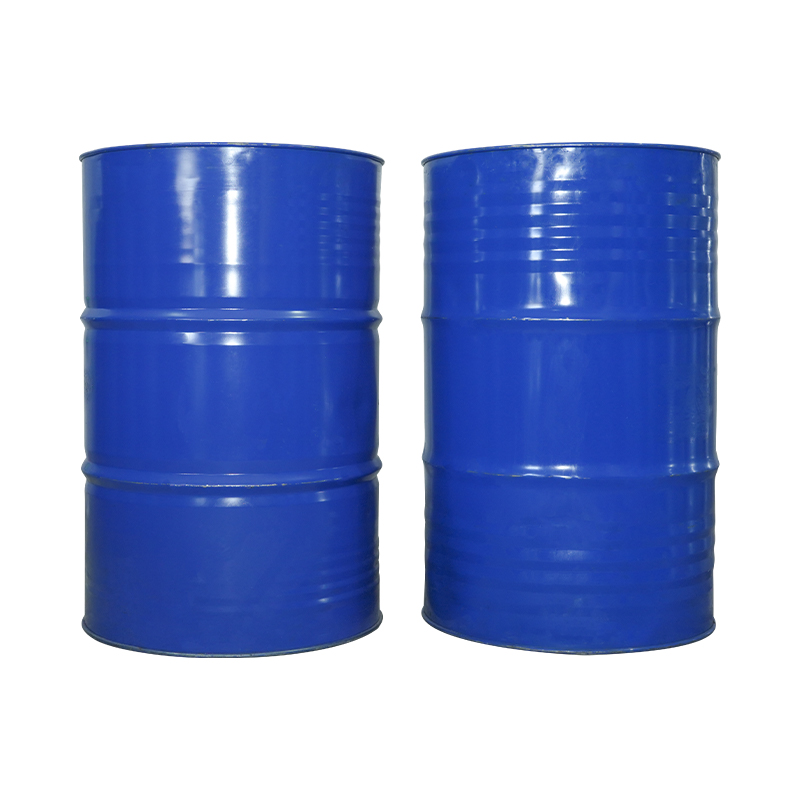 Alkyd Resins for Industrial Coatings
Alkyd resin is a commonly used base resin with high cost performance a...
-
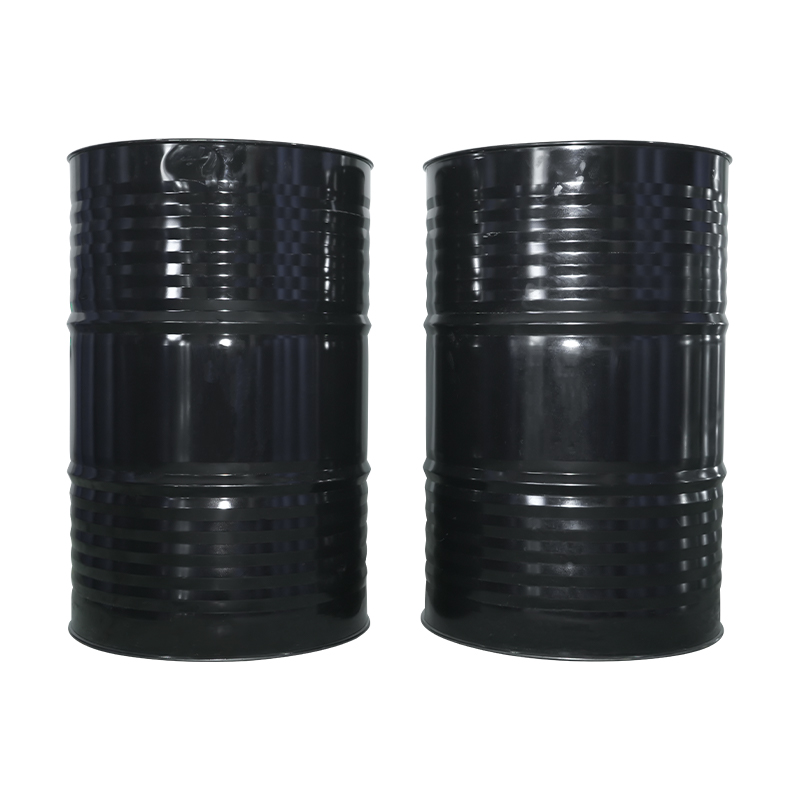 Self-drying Alkyd Resin
Self-drying alkyd resin is also one of the alkyd resins. This series o...
-
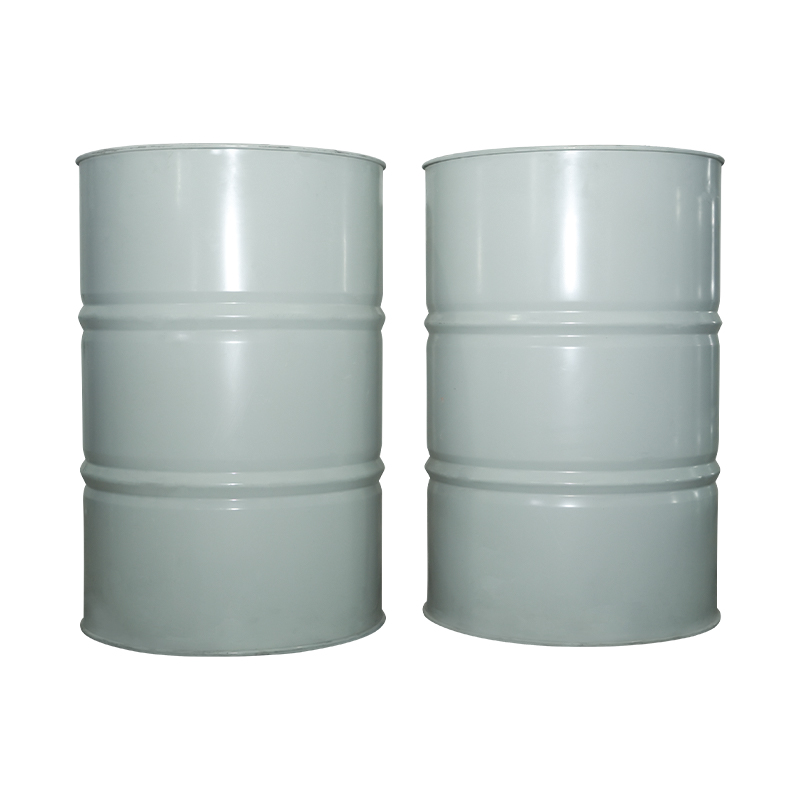 Solvent-based Hydroxy Acrylic Resin
It is one of the acrylic resins, but it is mainly used with isocyanate...
-
 Solvent-based Thermosetting Acrylic Resin
It is one of the acrylic resins. It is heated and cured with amino res...
-
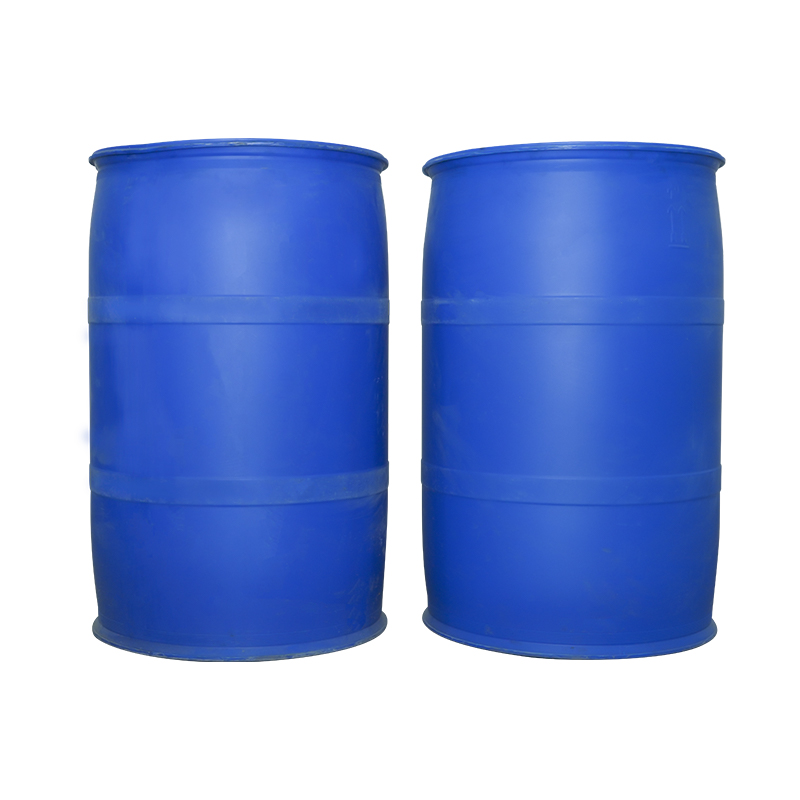 Solvent-based Thermoplastic Acrylic Resin
It is one of the acrylic resins. Its main features are single-componen...
-
 [email protected]
-
 No. 70, Linkage U Valley Industrial Park, Nanyue Road, Yixing City, Jiangsu Province, China.

 English
Unlocking the Potential of Paint: A Comprehensive Guide to Additives and Binders
1. Introduction to Paint Additives and Binders
Paint additives and binders are essential components in paint formulations that play a crucial role in determining the overall performance, durability, and aesthetics of the paint. Both additives and binders are used to modify and enhance various characteristics of paint, allowing it to meet the specific requirements of different applications, environmental conditions, and substrates.
1.1 The Role of Paint Additives and Binders in Paint Formulation
Additives are substances that are incorporated into the paint to improve or modify its properties during application and after drying. They are not a part of the basic paint matrix but serve to fine-tune the performance of the paint in specific ways. Additives can address issues such as viscosity, drying time, foam formation, dispersion of pigments, and UV stability.
Binders, or resins, form the structural backbone of the paint. They hold the pigment particles together and adhere the paint to the surface being coated. The binder forms the continuous film that dries and solidifies after the paint is applied, providing mechanical strength, flexibility, and durability to the coating. Without a proper binder, the paint would not be able to adhere to the surface or form a coherent protective film.
1.2 Importance in Achieving Desired Paint Properties and Performance
Both additives and binders are crucial in determining the functional and aesthetic properties of the paint. The right combination of these components ensures that the paint has:
Durability: Resistance to wear, weather, and other environmental factors.
Flexibility: Ability to withstand expansion and contraction of surfaces without cracking.
Adhesion: Strong bond between the paint and the substrate.
Aesthetic qualities: Smoothness, gloss, color retention, and uniform appearance.
The selection of additives and binders based on their properties directly impacts the performance of the paint in specific applications, whether it’s for interior walls, outdoor furniture, or industrial coatings exposed to harsh conditions.
2. Paint Additives: Enhancing Paint Performance
Paint additives are chemicals that are incorporated into paint formulations to enhance the properties of the paint. They improve various aspects such as flow, drying time, stability, and appearance, allowing paint to perform optimally under different conditions. While the main purpose of additives is to fine-tune the paint’s characteristics, each type of additive serves a specific role in the overall performance of the paint.
2.1 Define Paint Additives and Their Purpose
Paint additives are not essential to the basic functioning of the paint but are added in small quantities to achieve desired performance characteristics. They can modify physical properties like viscosity, or chemical properties like curing time. The primary purpose of additives is to improve the application process, extend the longevity of the paint, and ensure that the paint behaves consistently under various environmental conditions.
2.2 Types of Paint Additives
There are several types of additives used in paint formulations, each designed to target specific needs or challenges during application and performance. Below are the most common types:
2.2.1 Rheology Modifiers
Purpose: Rheology modifiers help control the flow and viscosity of the paint, ensuring it applies evenly and smoothly. These additives help adjust the paint’s "thickness" to optimize spreading, leveling, and flow during application.
Function: They modify the flow properties of the paint, making it easier to apply with the desired texture. Rheology modifiers prevent problems like sagging, running, or uneven coverage. These additives also help improve leveling, ensuring that the paint settles into a smooth finish without streaks or brush marks.
Examples:
Thickeners: Increase viscosity to improve spreadability and prevent settling of pigments.
Anti-settling Agents: Help prevent pigments and fillers from settling at the bottom of the can during storage, ensuring even consistency.
2.2.2 Defoamers and Anti-Foaming Agents
Purpose: Defoamers are added to prevent and eliminate foam that can form during paint mixing and application. Foam can cause bubbles or air pockets that lead to defects in the final paint surface.
Function: During the paint application, foam can hinder proper adhesion and lead to unsightly blemishes on the surface. Defoamers reduce the formation of foam, while anti-foaming agents work to break up any existing foam. These additives help ensure a smooth finish and avoid defects such as pinholes or imperfections in the dry film.
2.2.3 Wetting and Dispersing Agents
Purpose: These agents improve the dispersion of pigments and fillers in the paint, allowing them to mix more thoroughly and uniformly. They also aid in wetting the substrate, ensuring better adhesion.
Function: Wetting agents help the paint spread more easily on a surface by lowering surface tension, allowing it to form a uniform coating. Dispersing agents prevent the pigment particles from clumping together, ensuring a more even color distribution and enhancing the overall appearance of the paint.
2.2.4 Driers
Purpose: Driers are chemical agents that accelerate the drying process of the paint. They help the paint cure more quickly, reducing the risk of dust or debris settling on the surface before it’s dry.
Function: Driers are typically used in oil-based paints and help speed up the oxidation process that turns the paint from wet to dry. Different types of driers are used based on the specific chemical composition of the paint and the required drying speed.
Types:
Cobalt-based Driers: Used to speed up drying, particularly in alkyd paints.
Zirconium-based Driers: Used for quicker drying of coatings in high-humidity conditions.
2.2.5 UV Absorbers and Stabilizers
Purpose: These additives protect paint films from degradation caused by ultraviolet (UV) light, which can cause fading, cracking, or yellowing of the paint over time.
Function: UV absorbers absorb harmful UV radiation, preventing it from breaking down the paint film. Stabilizers work in conjunction with UV absorbers to maintain the stability and appearance of the paint, especially for exterior paints exposed to prolonged sunlight.
2.2.6 Biocides and Mildewcides
Purpose: Biocides and mildewcides prevent the growth of microorganisms such as bacteria, fungi, and mold on the painted surface, especially in humid or wet environments.
Function: These additives prevent the paint from developing mildew, mold, or fungal growth, which can degrade both the appearance and durability of the coating. They are commonly used in paints for bathrooms, kitchens, and outdoor applications.
2.2.7 Anti-Skinning Agents
Purpose: Anti-skinning agents are used to prevent the formation of a "skin" or dried film on the surface of the paint during storage.
Function: These agents allow the paint to stay in a liquid state longer, preventing the top layer from drying out and creating a solid crust. This ensures the paint remains usable without the need for constant stirring or shaking.
2.2.8 Coalescing Agents
Purpose: Coalescing agents help bind the polymer particles in the paint, ensuring they fuse together during the drying process to form a smooth, continuous film.
Function: In water-based paints, coalescing agents lower the minimum film formation temperature (MFT), allowing the polymer particles to coalesce into a uniform film at lower temperatures. This is crucial for achieving the desired finish and durability of the paint.
2.3 Factors to Consider When Choosing Paint Additives
Selecting the right additives depends on several factors related to the type of paint being used, the desired properties of the final coating, and the conditions in which the paint will be applied. Here are some considerations:
Paint type: Different types of paints (e.g., latex, oil-based, solvent-based) require different additives. For example, rheology modifiers in latex paints will differ from those in oil-based paints.
Desired performance characteristics: Whether you need faster drying time, better adhesion, or UV protection, your choice of additives will depend on the specific properties you are aiming to enhance.
Compatibility with other components: Additives must be compatible with the binder, pigments, and other ingredients in the paint. Incompatibility can lead to issues such as poor dispersion or instability.
Environmental considerations: In some cases, eco-friendly or low-VOC additives are necessary to meet environmental regulations or consumer preferences. The selection of additives should consider both performance and sustainability.
3. Paint Binders (Resins): The Backbone of Paint
Paint binders, also known as resins, are essential components in paint formulations. They are the primary binding agents that hold the pigment particles together and provide adhesion to the surface being painted. Binders play a pivotal role in determining the overall performance, durability, and aesthetic qualities of the paint. Once the paint is applied, the binder forms a continuous film that solidifies, giving the paint its final texture, strength, and protection.
3.1 Define Paint Binders and Their Crucial Role in Film Formation and Adhesion
Paint binders are polymers that act as the "glue" holding the paint ingredients together. They are responsible for the paint's ability to adhere to the surface being painted, forming a durable and cohesive film after the solvent evaporates or is absorbed.
Film Formation: When applied, the binder forms a film that gives the paint its structural integrity. This film is what remains after the solvent evaporates, and it provides the paint with its key characteristics such as flexibility, durability, and resistance to physical stresses.
Adhesion: One of the most important functions of the binder is adhesion. It ensures that the paint bonds effectively to the substrate (wood, metal, concrete, etc.). Without strong adhesion, the paint would peel, flake, or wash away over time.
Durability: The binder is directly responsible for the durability of the paint film. It helps the paint resist environmental stresses like temperature changes, humidity, UV radiation, and physical wear, contributing to the longevity of the coating.
3.2 Types of Paint Binders
Different binders offer unique properties that make them suitable for specific applications. The choice of binder depends on factors such as the desired paint properties, the type of substrate, the environment in which the paint will be used, and cost considerations.
3.2.1 Acrylic Binders
Properties: Acrylic resins are widely used in water-based paints due to their excellent durability, flexibility, and resistance to weathering. They provide good adhesion to a variety of surfaces and offer exceptional UV stability, making them ideal for outdoor applications.
Advantages:
Durability: Acrylic binders form strong, weather-resistant films that resist cracking and peeling.
Flexibility: They maintain flexibility even under temperature fluctuations, reducing the risk of paint failure in extreme weather conditions.
Water resistance: Acrylic-based paints are known for their ability to resist moisture, making them ideal for use in damp or humid environments.
Applications: Commonly used in exterior paints, stucco coatings, and industrial applications where high resistance to the elements is necessary.
3.2.2 Alkyd Binders
Properties: Alkyd resins are oil-based binders that are typically used in solvent-based paints. They offer excellent adhesion, gloss retention, and are highly resistant to abrasion and chemicals. Alkyd paints tend to have a longer drying time compared to water-based paints.
Advantages:
Good adhesion: Alkyd binders adhere well to a wide range of substrates, including wood, metal, and masonry.
Gloss retention: They are known for their ability to maintain a shiny finish over time, making them suitable for decorative applications.
Chemical resistance: Alkyd-based paints are resistant to a variety of chemicals, oils, and solvents.
Applications: Typically used in industrial coatings, automotive paints, and high-performance finishes for wood and metal surfaces.
3.2.3 Epoxy Binders
Properties: Epoxy resins are known for their excellent chemical resistance, hardness, and superior adhesion. They form a tough, durable film that is resistant to corrosion, impact, and abrasion. Epoxy binders are often used in high-performance environments.
Advantages:
Chemical resistance: Epoxy binders offer exceptional protection against harsh chemicals, acids, and alkalis.
Hardness and durability: They form a strong, tough coating that resists wear and tear.
Adhesion: Epoxy-based paints bond well to a variety of substrates, including metal and concrete.
Applications: Used in industrial and commercial coatings, such as for machinery, floors, and marine environments, where high durability and resistance to harsh chemicals are essential.
3.2.4 Polyurethane Binders
Properties: Polyurethane resins provide exceptional abrasion resistance, flexibility, and UV stability. They form hard, yet flexible films that offer long-term protection against weathering, mechanical wear, and environmental stresses.
Advantages:
Abrasion resistance: Polyurethane binders form highly durable coatings that can withstand high mechanical stress and physical wear.
Flexibility: Despite their hardness, polyurethane binders offer flexibility, making them ideal for surfaces that expand and contract.
UV resistance: These binders provide excellent resistance to UV radiation, preventing yellowing or fading over time.
Applications: Commonly used in automotive coatings, high-performance industrial coatings, and wood finishes, where durability and resistance to abrasion are needed.
3.2.5 Vinyl Binders
Properties: Vinyl resins are often used in lower-cost coatings and provide good water resistance and weathering performance. They are more affordable than other resins but still offer a reasonable balance between performance and cost.
Advantages:
Cost-effective: Vinyl resins are less expensive than other binders, making them a good option for budget-conscious applications.
Water resistance: They offer good resistance to water, which makes them suitable for exterior coatings exposed to rain or humidity.
Good adhesion: Vinyl binders adhere well to smooth surfaces like metal and concrete.
Applications: Often used in exterior paints, particularly for general-purpose applications like fencing, siding, and trim.
3.3 Factors to Consider When Choosing Paint Binders
Selecting the appropriate binder is crucial for ensuring the paint performs well under the desired conditions. Key factors to consider include:
Desired paint properties: Different binders provide different characteristics. For example, if flexibility is needed for exterior paint exposed to temperature changes, acrylic binders may be the best choice. For industrial environments requiring high durability, epoxy binders might be more suitable.
Application environment: The location where the paint will be applied plays a significant role in binder selection. Binders with UV resistance, such as acrylic or polyurethane, are ideal for outdoor applications, while epoxy or alkyd resins are better suited for harsh, industrial environments.
Substrate type: The surface to which the paint will be applied also affects binder choice. For wood, alkyd or acrylic binders are common, while metal surfaces may require epoxy or polyurethane for better corrosion resistance.
Compatibility with pigments and additives: Ensure the binder is compatible with other ingredients in the paint, such as pigments and additives, to avoid issues like poor dispersion or instability.

4. Application Tips and Best Practices
The application of paint is as important as its formulation. Even the best paint can fail if applied improperly. To achieve the desired finish and maximize the performance of both additives and binders, it's essential to follow best practices and consider environmental conditions. Proper mixing, surface preparation, and awareness of application techniques all contribute to achieving the perfect coat.
4.1 Proper Mixing and Dosage of Additives
Mixing: The uniformity of the paint mixture is crucial for consistent application and performance. When adding additives, always follow the manufacturer's recommendations for mixing ratios. Inconsistent mixing can lead to problems like poor dispersion of pigments, incorrect viscosity, or uneven drying times.
Tip: Use a mechanical mixer or an electric paint stirrer to ensure a smooth and consistent mixture. This is especially important for paints that contain thickening agents, defoamers, or rheology modifiers.
Dosage: Additives should be used within the recommended dosages to avoid affecting the overall performance of the paint. Using too much of an additive (e.g., too many rheology modifiers) can negatively impact the paint’s flow, while too little might fail to achieve the desired effect.
Tip: Always measure additives precisely and mix them thoroughly into the base paint before application. Remember that a small amount of additives can significantly alter the paint’s properties, so careful attention to dosage is key.
4.2 Surface Preparation for Optimal Adhesion
Proper surface preparation is the foundation for a successful paint job. The adhesion of paint depends on how well the surface is prepared, as contaminants like dust, oils, or old paint layers can cause poor bonding.
Cleaning: Ensure the surface is free of dirt, grease, rust, and other contaminants. Use an appropriate cleaner for the surface type (e.g., a degreaser for metal surfaces or a trisodium phosphate solution for wood).
Tip: For metal surfaces, lightly sand or use a wire brush to remove rust or old paint layers before priming. For wooden surfaces, ensure they are clean, dry, and sanded to remove rough spots.
Priming: For some surfaces, especially bare wood, metal, or concrete, applying a primer before painting is essential. Primer enhances adhesion, blocks stains, and helps to seal porous surfaces.
Tip: Choose the right primer for the specific surface. For example, an oil-based primer is often recommended for metal, while a water-based primer works well for wood and drywall.
Environmental Conditions: The surface temperature and humidity levels play a vital role in how well the paint adheres and dries. Ideally, paint should be applied when the surface temperature is between 50°F and 85°F (10°C to 29°C), and relative humidity should be low to moderate.
Tip: Avoid painting in direct sunlight or when it’s too hot, as this can cause the paint to dry too quickly, leading to cracks or an uneven finish. Likewise, don’t paint during rainy weather or when there’s high humidity, as this can prolong drying times and cause defects like bubbling.
4.3 Environmental Conditions to Avoid During Application
The environment plays a significant role in the outcome of your painting project. Temperature, humidity, and air quality can all impact how well the paint adheres, dries, and cures.
Temperature: Paint should ideally be applied when the air temperature is between 50°F (10°C) and 85°F (29°C). If it's too cold, the paint may not cure properly, leading to poor adhesion and surface defects. On the other hand, excessive heat can cause the paint to dry too quickly, preventing smooth application and potentially causing cracks or uneven coverage.
Tip: Check the weather forecast before starting your project to ensure you’re working within the optimal temperature range.
Humidity: High humidity levels (above 80%) can slow down the drying process, resulting in paint that remains soft or tacky for an extended period. Conversely, very dry conditions can cause paint to dry too fast, leading to issues like poor leveling or cracking.
Tip: If humidity is high, it’s better to delay the project until the conditions improve. If you need to paint in humid conditions, use a paint designed for those conditions, such as moisture-resistant coatings.
Wind and Dust: Wind can cause dust and debris to settle on freshly applied paint, creating imperfections on the surface. If you’re painting outside, choose a calm day with minimal wind. Additionally, ensure the painting area is free of dust, as this can ruin the finish by causing surface imperfections like texture or unevenness.
Tip: Protect the painted surface from wind, dust, and insects by covering the work area with a tarp or applying the paint indoors in a controlled environment.
4.4 Safety Precautions When Working with Paints and Additives
Working with paints and additives can pose certain health and safety risks, especially when handling solvent-based or chemical additives. It’s essential to take the necessary precautions to ensure both personal and environmental safety.
Ventilation: Always work in a well-ventilated area to avoid inhaling fumes from solvents, driers, or other chemicals in the paint. If painting indoors, open windows or use fans to improve air circulation.
Tip: Use a fan or exhaust system to direct fumes outside when working indoors. Consider using a respirator if ventilation is insufficient or if you’re working with materials that produce toxic fumes.
Protective Gear: Always wear appropriate personal protective equipment (PPE), including gloves, goggles, and a mask, when handling paints and additives. If working with spray paints or substances that can be inhaled, use a properly fitted respirator.
Tip: Wear long sleeves and pants to avoid skin contact with paint. For added protection, you may want to wear a disposable coverall or apron, especially if working with highly volatile paints or additives.
Chemical Safety: Familiarize yourself with the Safety Data Sheets (SDS) for any paint products or additives you're using. The SDS will provide important information about the chemical hazards and emergency procedures.
5. Troubleshooting Common Paint Problems
Even with the best preparation and application practices, issues can sometimes arise during or after painting. Understanding common paint problems and knowing how to address them can save time, reduce frustration, and prevent having to redo the entire project. Many of these issues are linked to the interplay between additives, binders, and environmental factors, and can often be resolved by making adjustments to the paint formulation or application process.
5.1 Addressing Issues like Poor Adhesion, Cracking, Blistering, and Color Fading
Each of these problems can occur due to a variety of reasons, often related to improper preparation, environmental factors, or incorrect paint formulation. Below, we discuss how to identify and resolve these issues.
5.1.1 Poor Adhesion
Symptoms: The paint does not properly bond to the surface, leading to peeling, flaking, or a rough, uneven finish.
Possible Causes:
Dirty or Greasy Surface: Oils, dust, or contaminants on the surface prevent the paint from adhering properly.
Improper Surface Preparation: Insufficient sanding or priming, especially on surfaces like metal, can result in poor adhesion.
Wrong Binder Choice: The binder used may not be suitable for the surface or the environmental conditions (e.g., using a water-based binder on a metal surface without proper priming).
Incorrect Temperature or Humidity: Low temperatures or high humidity can affect the adhesion of the paint as it dries too slowly or forms an imperfect film.
Solutions:
Clean the surface thoroughly to remove any oils, grease, or dust before painting.
Use a suitable primer for the surface. For example, use a rust-inhibiting primer for metal surfaces or a bonding primer for smooth, non-porous surfaces.
Ensure the binder is compatible with the surface and the environmental conditions.
Paint in the correct temperature range (typically between 50°F and 85°F) and avoid high humidity levels.
5.1.2 Cracking
Symptoms: Fine lines or larger cracks appear on the surface of the paint as it dries, often making the paint look aged or deteriorated.
Possible Causes:
Too Thick a Coat: Applying paint too thickly can cause cracking as the paint dries. The outer layer dries faster than the underlying layer, leading to stress and cracking.
Improper Drying: Painting in extreme temperatures (either too hot or too cold) can cause the paint to dry too quickly or too slowly, leading to cracking.
Incompatible Additives: Using too much of certain additives, like rheology modifiers or thickeners, can make the paint too stiff, contributing to cracking.
Solutions:
Apply multiple thin coats of paint rather than one thick coat. Thin layers dry evenly and reduce the risk of cracking.
Ensure the environmental conditions are ideal for painting, avoiding extreme heat or cold.
Adjust the paint formulation to reduce the viscosity if cracking is related to overly thick paint. Ensure additives are used in the correct proportions.
5.1.3 Blistering
Symptoms: Small bubbles or blisters appear on the surface of the paint as it dries, often caused by the paint lifting off the substrate.
Possible Causes:
Moisture Trapped Beneath the Paint: This can happen if the surface is too damp or if there is moisture in the substrate, such as wood or concrete.
High Temperature or Humidity: Applying paint when it is too hot or too humid can lead to poor drying, causing the paint to form bubbles.
Improper Curing: If the paint is not allowed to cure properly (either due to thick layers or environmental conditions), blistering can occur.
Solutions:
Allow the surface to dry completely before applying paint, particularly on exterior surfaces exposed to moisture.
Paint during dry weather with moderate temperatures, and avoid direct sunlight, which can cause the paint to dry too quickly.
Use moisture-resistant primers and paints when working with substrates prone to moisture, like concrete or unsealed wood.
5.1.4 Color Fading
Symptoms: The paint begins to lose its color or becomes dull over time, especially in outdoor applications exposed to sunlight.
Possible Causes:
UV Degradation: Prolonged exposure to ultraviolet (UV) light can break down pigments, causing the color to fade or change.
Poor Quality Pigments: Low-quality or non-UV-resistant pigments can contribute to rapid color fading.
Inadequate UV Protection: If the paint does not contain adequate UV stabilizers or absorbers, the paint film may degrade more quickly.
Solutions:
Use paints with UV-resistant pigments or additives, such as UV stabilizers, to protect the paint film from sunlight.
Select high-quality exterior paints designed specifically to withstand UV exposure.
Consider applying a protective topcoat or clear finish that includes UV filters to preserve the color.
5.2 Identifying the Role of Additives and Binders in Preventing These Problems
Many of the common paint problems mentioned above can be traced back to issues with the formulation, which includes the choice and use of additives and binders.
5.2.1 Additives and Their Role in Troubleshooting
Rheology Modifiers: If the paint is too thick or too runny, rheology modifiers can help adjust the viscosity for smoother application and reduce issues like cracking or blistering.
Example: If cracking occurs due to overly thick paint, reducing the rheology modifier or using a thinner consistency can help prevent this issue.
Defoamers and Anti-Foaming Agents: These additives help prevent foam formation during application and curing. If foam or bubbles are noticed, it’s often related to the lack of an effective defoamer.
Wetting and Dispersing Agents: Poor dispersion of pigments can lead to uneven finishes or color issues. Wetting and dispersing agents improve pigment distribution and help prevent problems like poor coverage or uneven color.
UV Absorbers and Stabilizers: For outdoor applications, UV absorbers are critical in preventing color fading and degradation of the paint film. Without these additives, the paint is more vulnerable to UV-induced breakdown.
Biocides and Mildewcides: These additives prevent mold and mildew growth on the surface of the paint, which is especially important in damp or high-humidity environments. Without them, the paint may develop unsightly mold patches.
5.2.2 Binders and Their Role in Troubleshooting
Binders provide the film formation and adhesion properties that are crucial in preventing many of the problems we discussed.
Acrylic Binders: Acrylic resins offer excellent UV resistance and flexibility, which is essential in preventing cracking and fading. They help maintain the color integrity and durability of the paint in outdoor environments.
Epoxy Binders: Epoxy resins provide excellent adhesion and chemical resistance, making them ideal for industrial and high-performance coatings. They can help prevent blistering and peeling when applied to properly prepared surfaces.
Polyurethane Binders: Polyurethane resins provide excellent abrasion resistance and durability, making them ideal for areas with high wear, such as floors or furniture. They also offer better resistance to environmental factors, such as humidity and temperature changes.
PREV:How Drying Agents Affect Paint Drying Time and Film QualityNEXT:Saturated Polyester Resin: Properties, Applications, and Industry Insights
Interested in cooperation or have questions?


As Coatings Resins Manufacturers, Paint Resins Suppliers in China, Haisong adhering to the concept of "continuous innovation, professional service", I hope to work together with you, a common development!
Quick Link
Products
Contact Us
-
 +86-0510-87937687
-
 +86-0510-87072901
-
 [email protected]
-
 No. 70, Linkage U Valley Industrial Park, Nanyue Road, Yixing City, Jiangsu Province, China.
© 2024 Jiangsu Haisong New Material Technology Co.,Ltd. Foreign trade operated by Wuxi Haituo New Material Technology Co., Ltd. (wholly-owned subsidiary).

