

 English
 русский
 Español
 عربى
عربى-
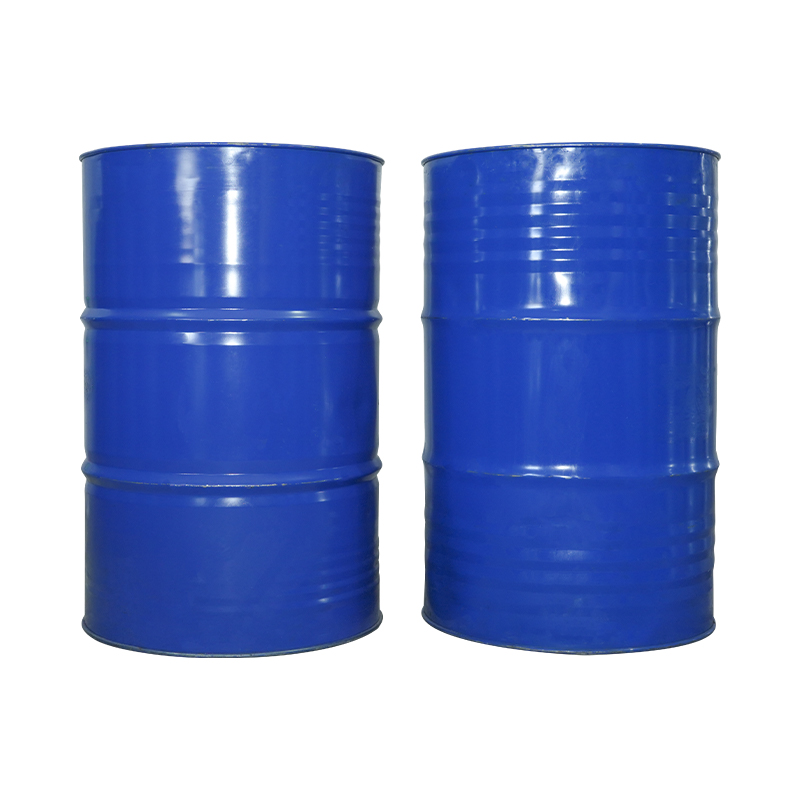 Alkyd Resins for Industrial Coatings
Alkyd resin is a commonly used base resin with high cost performance a...
-
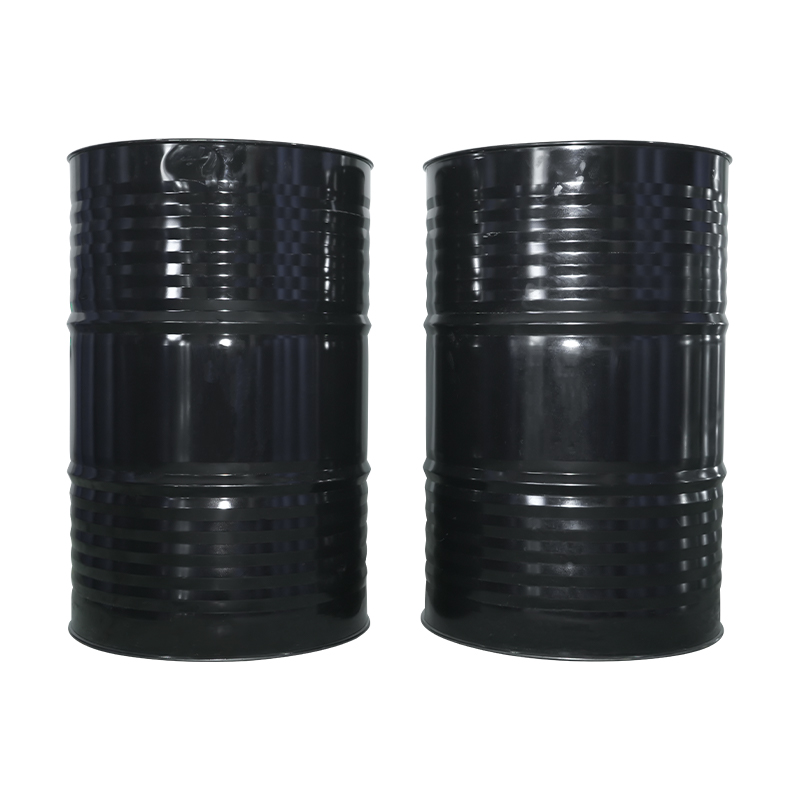 Self-drying Alkyd Resin
Self-drying alkyd resin is also one of the alkyd resins. This series o...
-
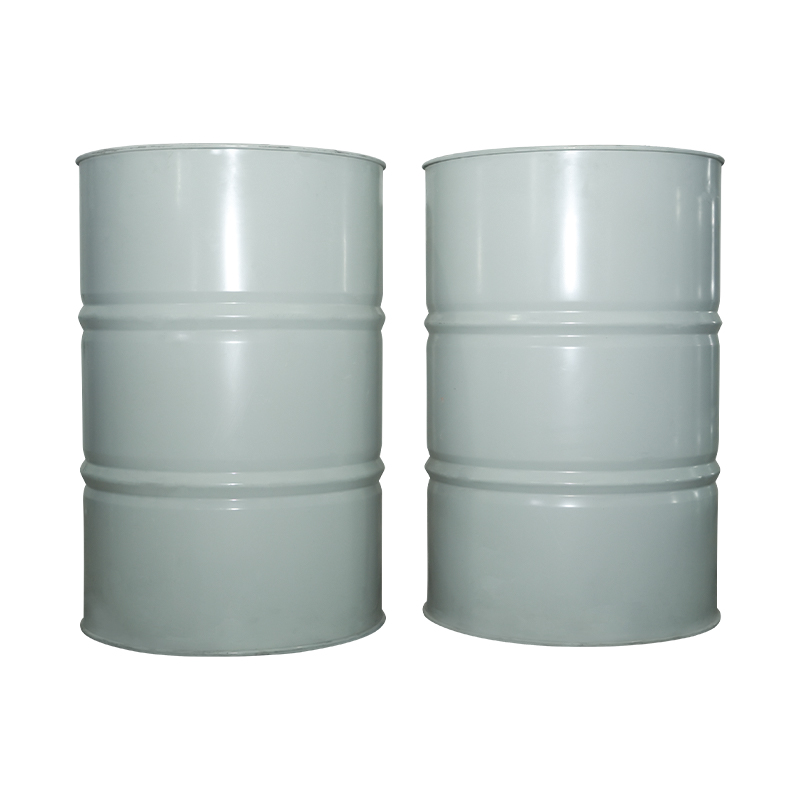 Solvent-based Hydroxy Acrylic Resin
It is one of the acrylic resins, but it is mainly used with isocyanate...
-
 Solvent-based Thermosetting Acrylic Resin
It is one of the acrylic resins. It is heated and cured with amino res...
-
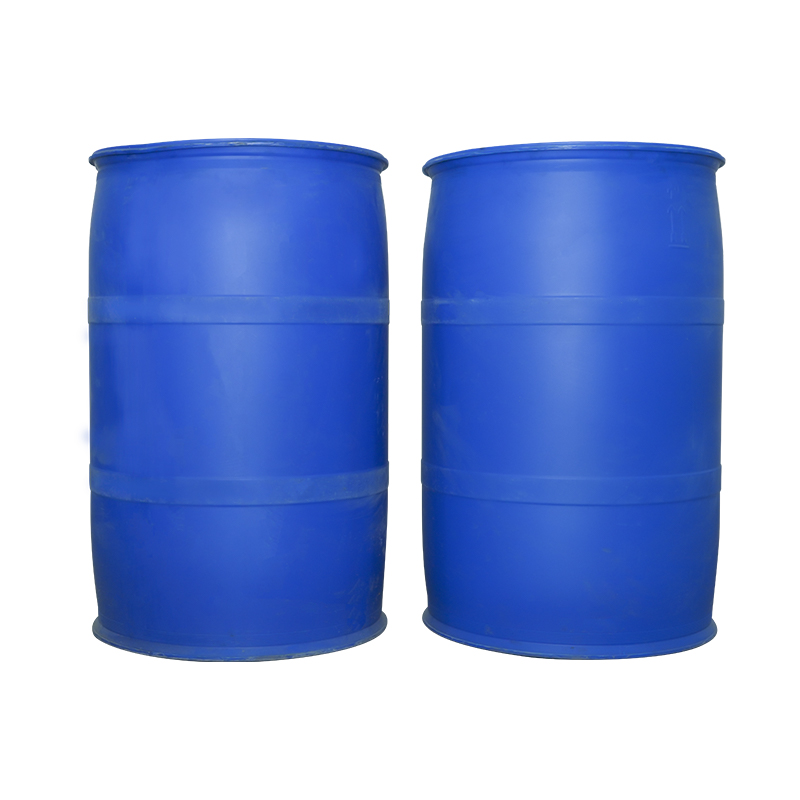 Solvent-based Thermoplastic Acrylic Resin
It is one of the acrylic resins. Its main features are single-componen...
-
 [email protected]
-
 No. 70, Linkage U Valley Industrial Park, Nanyue Road, Yixing City, Jiangsu Province, China.

 English
Does Anti-settling Wax Slurry Also Provide Anti-Sag and Thixotropic Properties?
Content
- 1 Understanding the Core Function: How Anti-Settling Wax Slurry Works
- 2 Defining the Target Properties: Anti-Sag and Thixotropy
- 3 The Interrelationship: From Anti-Settling to Anti-Sag
- 4 The Thixotropy Question: A More Nuanced Reality
- 5 Formulation Synergy: The Key to Balanced Performance
- 6 Practical Recommendations for Formulators
- 7 Conclusion
In the complex world of coating and ink formulation, achieving the perfect balance between stability during storage and performance during application is a constant challenge. Formulators have an arsenal of additives at their disposal, each promising to address specific rheological issues. Among these, Anti-settling Wax Slurry has earned a solid reputation as a reliable agent to prevent the hard settling of pigments and fillers. However, a question frequently arises in labs and production facilities: Does Anti-settling Wax Slurry also provide anti-sag and thixotropic properties? The answer is not a simple yes or no, but a nuanced exploration of mechanism, structure, and formulation interplay.
Understanding the Core Function: How Anti-Settling Wax Slurry Works
To answer the central question, we must first establish what Anti-settling Wax Slurry is designed to do. Its primary function is, as the name states, anti-settling. It combats the force of gravity that pulls dense pigment particles to the bottom of a storage container over time, which can lead to hard, difficult-to-redisperse cakes.
This is achieved through a steric hindrance mechanism. The slurry consists of micronized wax particles (often polyethylene, polyamide, or Fischer-Tropsch waxes) pre-dispersed in a carrier liquid. When incorporated into a coating and subjected to appropriate shear and cooling, these wax particles form a delicate, three-dimensional network throughout the liquid matrix. This network acts as a physical barrier, propping up pigment particles and drastically slowing their downward migration. It’s like placing a microscopic scaffold in the paint can—the pigments can still move, but their settling is dramatically inhibited.
Defining the Target Properties: Anti-Sag and Thixotropy
Before we can link them to the wax slurry, let’s define the properties in question:
- Anti-Sag Resistance: This is the coating’s ability to resist downward flow or “sagging” when applied in a thick film on a vertical surface. It’s a critical property for avoiding unsightly drips, curtains, or tears. Anti-sag is about resisting flow under low shear stress (the force of gravity on a wet film) over a relatively short time frame (minutes to an hour).
- Thixotropy: This is a time-dependent shear-thinning property. A thixotropic material is gel-like or highly viscous at rest (high low-shear viscosity), but becomes fluid and less viscous when stirred, shaken, or brushed (shear is applied). Once the shear force is removed, the material slowly recovers its original gel-like structure. This recovery is key—it allows for easy application (low viscosity under the shear of the brush or roller) followed by immediate resistance to sag and leveling (rapid viscosity rebuild).
The crucial link here is that both anti-sag performance and thixotropy are governed by a coating’s low-shear viscosity and, more importantly, its yield point and structural recovery rate.
The Interrelationship: From Anti-Settling to Anti-Sag
The network formed by a well-activated Anti-settling Wax Slurry does more than just trap pigments. This same network contributes to the coating’s low-shear viscosity. By providing a measurable resistance to flow under the gentle force of gravity, the wax structure inherently offers a degree of anti-sag protection.
Therefore, the direct answer is: Yes, a properly formulated Anti-settling Wax Slurry will often provide a baseline level of anti-sag properties. It is almost a secondary benefit of its primary settling mechanism. The scaffolding that holds up pigments will also help hold the wet film in place on a wall.
However, there is a critical caveat: The anti-sag performance from a standard anti-settling wax network is often moderate and may not be sufficient for demanding applications. For example:
- High-build coatings: A thick layer of epoxy or mastic exerts significant gravitational force.
- Heavily filled systems: The weight of the fillers demands a stronger network.
- Applications with extreme temperature variations: Higher temperatures lower viscosity, increasing sag potential.
In these cases, relying solely on the wax slurry for anti-sag is risky. The wax network, while effective for suspension, is typically not robust or fast-recovering enough to handle high stresses on its own.
The Thixotropy Question: A More Nuanced Reality
This is where the distinction becomes sharper. While Anti-settling Wax Slurry contributes to a pseudo-thixotropic behavior, its performance profile often differs from that of dedicated thixotropes.
-
Shear-Thinning: The wax network does exhibit shear-thinning. When you stir or agitate the coating, the weak physical bonds of the wax structure are broken, reducing viscosity for easy mixing and application. This satisfies the first part of the thixotropy definition.
-
The Crucial Issue of Recovery Rate: The potential shortfall lies in the speed and completeness of structural recovery after shear. Dedicated thixotropic agents like certain fumed silicas or organoclays are engineered to form networks that rebuild very quickly—often in seconds. This instant recovery is what gives a coating its “body” on the wall immediately after the roller passes.
The recovery of a standard anti-settling wax network can be slower and less complete. The wax crystals, once broken apart by shear, need time to re-crystallize and re-establish their scaffolding. This slower recovery can allow more time for the coating to level (which can be good for gloss and aesthetics) but also more time to potentially sag before sufficient structure returns.
Therefore, the answer regarding thixotropy is: Anti-settling Wax Slurry provides shear-thinning behavior and some structural recovery, but it may not deliver the rapid, robust, and predictable thixotropy required for applications where immediate anti-sag and “brush-stand” are critical.
Formulation Synergy: The Key to Balanced Performance
The most effective coatings rarely rely on a single additive. The true power of Anti-settling Wax Slurry is revealed in synergy with other rheology modifiers. A formulator can use it as part of a targeted system:
- Anti-Settling Wax Slurry + Cellulosic Thickener (e.g., HEC): The wax prevents hard settling, while the cellulosic provides strong, immediate bio-polymer-based thickening for sag resistance. However, this combo may not be highly thixotropic.
- Anti-Settling Wax Slurry + Associative Thickener (e.g., HASE, HEUR): The wax handles suspension, while the associative thickener provides elegant flow, leveling, and sag resistance through a shear-reversible surfactant-mediated network.
- Anti-Settling Wax Slurry + Organoclay or Fumed Silica: This is a classic pairing for high-performance systems. The wax offers excellent suspension and contributes to the network. The organoclay or silica provides the rapid, high-strength thixotropic gel structure that gives instant anti-sag and excellent stability. They work on different principles (wax on steric hindrance/crystallization, clays/silica on hydrogen bonding and particle interaction), creating a complementary and robust rheological profile.
Practical Recommendations for Formulators
- Test for Your Specific Need: Do not assume the wax slurry will meet all your sag and thixotropy requirements. Use vertical sag test bars (Leneta or similar) to quantify anti-sag performance at your desired film thickness. Use viscometry with a controlled stress rheometer (measuring low-shear viscosity and recovery over time) to assess thixotropy, not just a simple Krebs unit (KU) reading.
- Consider the Wax Type: Not all wax slurries are identical. Polyamide-based waxes tend to form stronger, more thixotropic gels than polyethylene waxes. The nature of the wax directly impacts the strength and recovery of the network.
- Optimize Activation: Follow the supplier’s instructions for incorporation temperature and shear. An under-activated wax slurry will not develop its full network, failing in both settling and sag resistance.
- Accept Its Primary Role: View Anti-settling Wax Slurry first and foremost as a superior suspension agent. Any anti-sag or thixotropic benefit should be considered a valuable bonus that reduces the amount of other rheology modifiers needed, but not necessarily a complete replacement for them.
Conclusion
Anti-settling Wax Slurry is a multifaceted additive whose functionality extends beyond mere pigment suspension. Through the formation of a crystalline, three-dimensional network, it does provide a foundational and often useful degree of anti-sag resistance and contributes to a shear-thinning, somewhat recoverable rheology. It would be inaccurate to label it as non-thixotropic.
However, it is equally important to avoid overstatement. For formulations where instant, high-strength sag resistance and rapid, predictable thixotropic recovery are non-negotiable—such as in thick-film industrial coatings, textured paints, or sealants—treating Anti-settling Wax Slurry as a complete sag/thixotropy solution is insufficient. In these cases, it excels as the cornerstone of a suspension package, working in concert with dedicated thickeners and thixotropes to create a stable, application-optimized, and high-performance product. The informed formulator understands this hierarchy of functions, leveraging the wax slurry’s strengths while strategically supplementing its limitations to achieve perfect rheological balance.
PREV:How is the chemical resistance of cured Water-soluble Thermosetting Acrylic Resin?NEXT:What Film-Forming Properties Does Solvent-based Hydroxy Acrylic Resin Provide?
Interested in cooperation or have questions?


As Coatings Resins Manufacturers, Paint Resins Suppliers in China, Haisong adhering to the concept of "continuous innovation, professional service", I hope to work together with you, a common development!
Quick Link
Products
Contact Us
-
 +86-0510-87937687
-
 +86-0510-87072901
-
 [email protected]
-
 No. 70, Linkage U Valley Industrial Park, Nanyue Road, Yixing City, Jiangsu Province, China.
© 2024 Jiangsu Haisong New Material Technology Co.,Ltd. Foreign trade operated by Wuxi Haituo New Material Technology Co., Ltd. (wholly-owned subsidiary).

