

 English
 русский
 Español
 عربى
عربى-
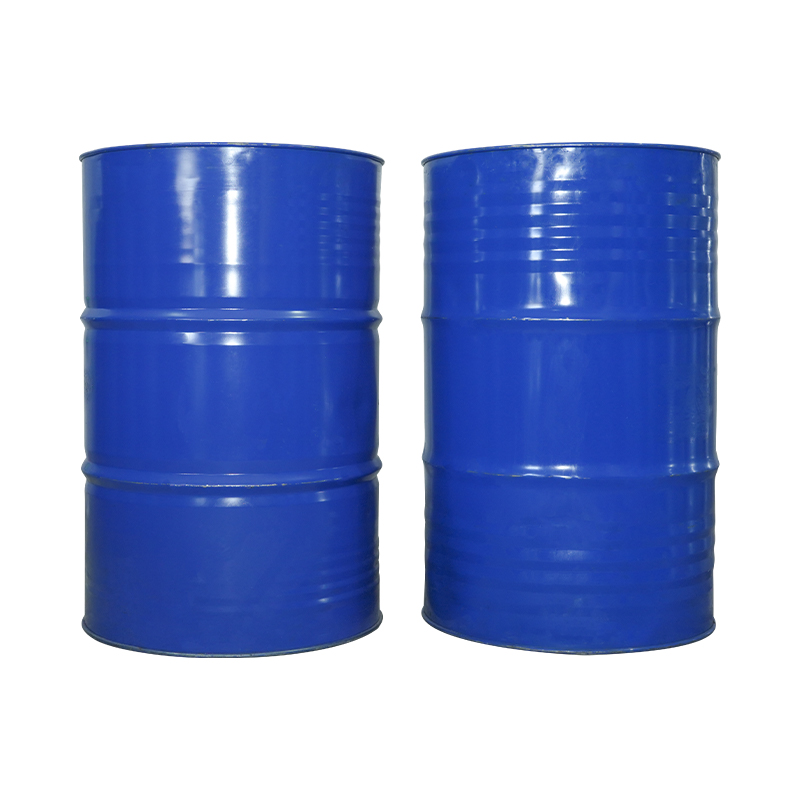 Alkyd Resins for Industrial Coatings
Alkyd resin is a commonly used base resin with high cost performance a...
-
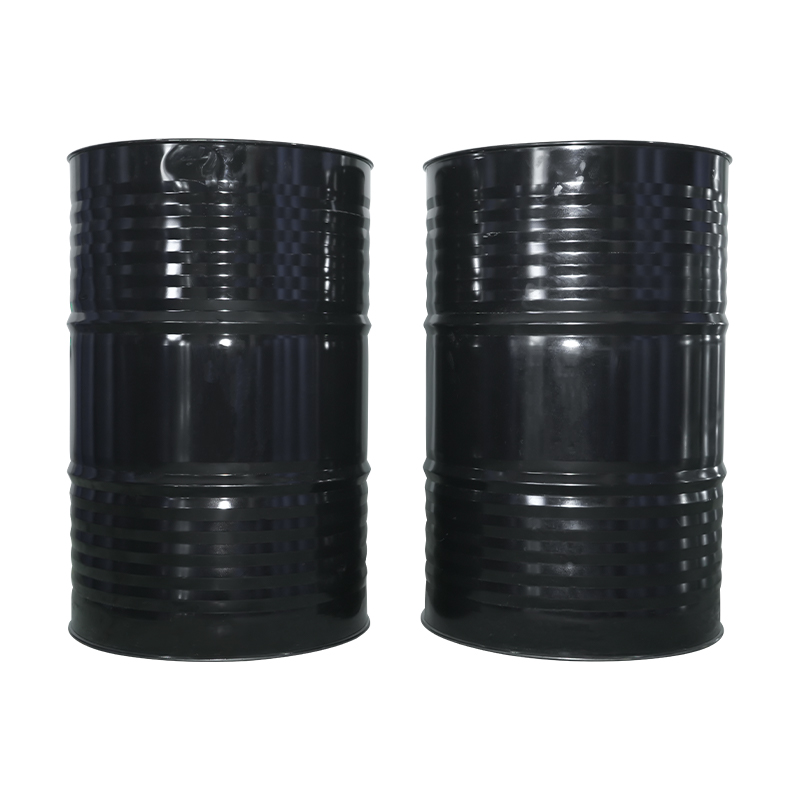 Self-drying Alkyd Resin
Self-drying alkyd resin is also one of the alkyd resins. This series o...
-
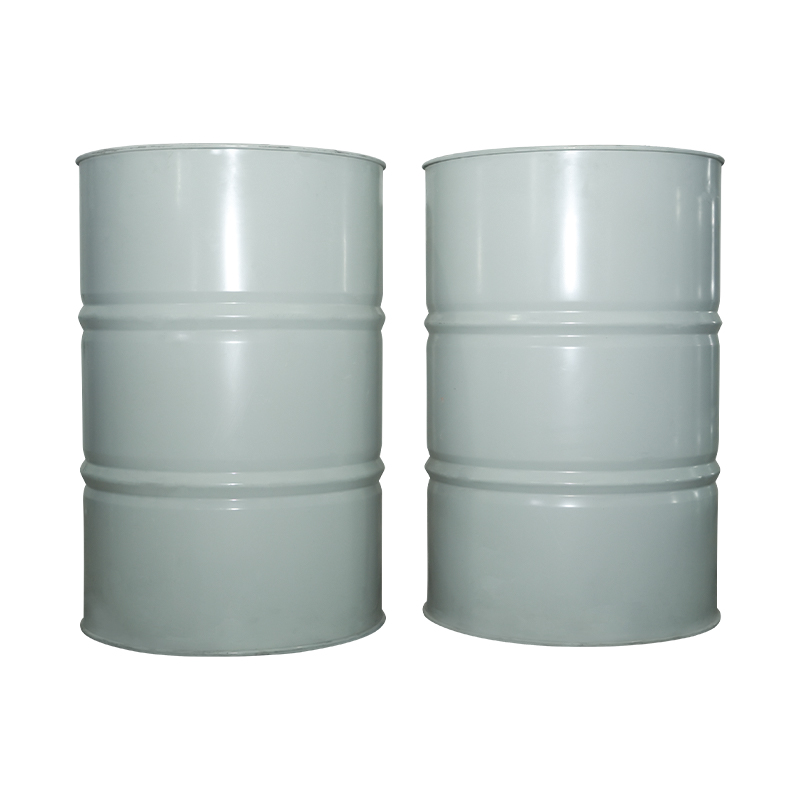 Solvent-based Hydroxy Acrylic Resin
It is one of the acrylic resins, but it is mainly used with isocyanate...
-
 Solvent-based Thermosetting Acrylic Resin
It is one of the acrylic resins. It is heated and cured with amino res...
-
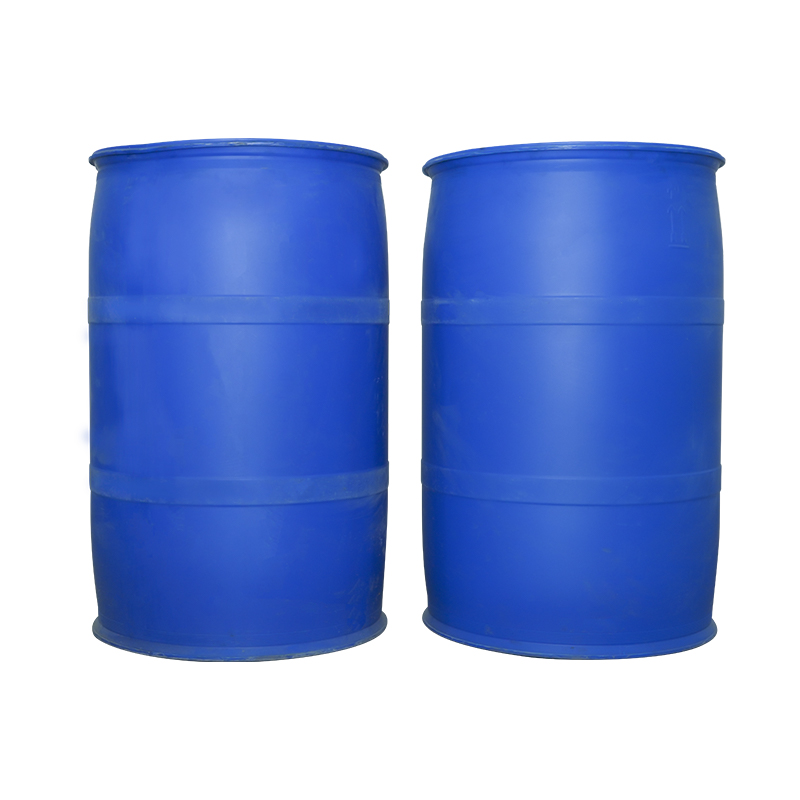 Solvent-based Thermoplastic Acrylic Resin
It is one of the acrylic resins. Its main features are single-componen...
-
 [email protected]
-
 No. 70, Linkage U Valley Industrial Park, Nanyue Road, Yixing City, Jiangsu Province, China.

 English
How Drying Agents Affect Paint Drying Time and Film Quality
Content
1. Introduction
The transformation of liquid paint into a solid, protective film is a critical process that determines both the efficiency of a painting project and the long-term performance of the coating. While often taken for granted, this drying and curing phase is a complex interplay of chemistry and physics, carefully engineered by formulators to meet specific requirements.
1.1. Overview of the Paint Drying Process
Paint drying is not a single event but a series of stages. Initially, a physical drying phase occurs where the volatile components—solvents or water—evaporate from the applied film. This is followed by, or occurs simultaneously with, chemical drying (or curing). In oil-based and alkyd paints, this chemical process involves the cross-linking of binder molecules through a reaction with oxygen from the air, a process known as autoxidation. The result is a hardened, durable film that is integral to the coated surface.
1.2. Importance of Drying Time in Coating Performance
The rate at which paint dries has profound implications. For applicators, a shorter drying time means increased productivity, reduced dust pickup, and a lower chance of surface defects caused by environmental interference. For the final product, correct drying is synonymous with quality. If a paint film dries too quickly, it can trap solvents, leading to imperfections like poor leveling, wrinkling, or a compromised finish. If it dries too slowly, it remains vulnerable to damage, contamination, and runs or sags for far longer, delaying the project and potentially affecting the coating’s mechanical properties.
1.3. Role of Drying Agents in Modern Coatings
To precisely control this delicate balance, paint chemists rely on drying agent (also known as driers or catalysts). These are chemical additives designed to accelerate and regulate the oxidative cross-linking reactions within the paint film. By facilitating a more predictable and efficient cure, drying agents are indispensable in modern coating technology. They allow formulators to tailor a product’s dry time to specific application conditions and performance needs, ensuring the paint develops its intended protective and aesthetic qualities reliably. The following sections will explore the types, mechanisms, and critical impacts of these essential components.
2. Types of Drying Agents
Drying agents are categorized based on their chemical composition and their primary role in the drying mechanism. Selecting the right type, or more commonly a combination of types, is a fundamental step in paint formulation.
2.1. Metallic Drying Agents
These are the most traditional and widely used driers. They are typically metal carboxylates (soaps) dissolved in a solvent carrier, such as mineral spirits. The metal ion is the active component, and its type dictates its function:
Primary Driers (Surface Driers): These catalyze the oxidation reaction at the surface of the paint film. Cobalt is the most common and powerful primary drier, known for rapidly initiating surface drying. However, it can lead to surface wrinkling if used alone and has faced regulatory scrutiny due to its carcinogenic classification in some regions.
Secondary Driers (Through Driers): These work synergistically with primary driers to promote hardening throughout the entire film, not just the surface. Zirconium is a popular and effective secondary drier, often used as a partial replacement for cobalt. Calcium and barium (now largely phased out due to toxicity) are also classified as secondary driers that improve through-dry and stability.
Auxiliary Driers: These metals are not active driers on their own but enhance the performance of primary and secondary driers. They can improve film hardness, reduce skinning, and stabilize the drying process. Zinc is a common auxiliary drier that helps prevent wrinkling and improves surface hardness, while potassium and strontium are also used.
2.2. Organic Drying Agents
In response to the desire for cobalt-free formulations, non-metallic organic driers have been developed. These are typically compounds like oximation chemicals (e.g., methyl ethyl ketoxime) that function primarily as anti-skinning agents by blocking oxidation in the can. However, some newer organic complexants are designed to actively participate in and accelerate the cross-linking process upon film formation, offering a more environmentally friendly alternative to metal-based catalysts.
2.3. Combination and Hybrid Systems
It is rare for a modern paint to use a single metal drier. Formulators almost always use a pre-blended drier system that contains a balanced ratio of primary, secondary, and auxiliary metals. For example, a common blend might be cobalt-zirconium-calcium. This approach ensures a uniform, predictable, and defect-free drying profile, leveraging the synergistic effects between different metals. Hybrid systems that combine traditional metallic driers with newer organic accelerators are also becoming more prevalent.
2.4. Selection Criteria for Different Paint Systems
The choice of drying agent system is not one-size-fits-all and depends on several factors:
Resin Chemistry: The type of binder (alkyd, epoxy-ester, etc.) has a significant impact on which metals are most effective.
Color and Pigmentation: Certain driers can cause discoloration. Cobalt, for instance, can impart a blueish tint and is avoided in white and pastel colors, where zirconium and manganese are often preferred.
Regulatory and Environmental Requirements: The drive for safer, bio-based, and “green” coatings is pushing formulators towards cobalt-free, heavy-metal-free, and low-VOC drier solutions.
Cost-Effectiveness: The performance of the drier system must be balanced against its cost, ensuring the final product remains competitive.
3. Mechanism of Action
Understanding how drying agents function requires a look into the complex chemical reactions that occur as a paint film transforms from a liquid to a solid. Drying agents are catalysts, meaning they speed up these reactions without being consumed in the process themselves.
3.1. How Drying Agents Accelerate Chemical Reactions in Paint
In alkyd and oil-based paints, the primary drying mechanism is autoxidation—a reaction between the unsaturated bonds in the binder and atmospheric oxygen. This process is inherently slow. Drying agents work by providing an alternative, lower-energy pathway for these reactions to occur. The metal ions in metallic driers act as catalysts by easily changing their oxidation state. They facilitate the transfer of electrons, promote the formation of free radicals, and help decompose peroxides—all key steps in the cross-linking process—dramatically increasing the reaction rate.
3.2. Oxidative and Catalytic Processes in Film Formation
The catalytic cycle for a primary drier like cobalt is a well-studied process:
Initiation: The drier catalyzes the formation of free radicals on the fatty acid chains of the binder by reacting with oxygen.
Peroxide Formation: These free radicals react with oxygen to form peroxide radicals and then hydroperoxides.
Decomposition: This is the key catalytic step. The metal ion (e.g., Co²⁺) reacts with a hydroperoxide (ROOH), decomposing it into two new reactive free radicals (RO• and HO•). This step is crucial because it multiplies the number of reactive species.
Co²⁺ + ROOH → Co³⁺ + RO• + OH⁻
Co³⁺ + ROOH → Co²⁺ + ROO• + H⁺
Propagation and Termination: The newly formed radicals quickly react with other binder molecules, propagating a chain reaction that leads to extensive cross-linking (covalent bonding between molecules) and the formation of a solid, three-dimensional network.
Secondary driers like zirconium work differently. They are not redox catalysts like cobalt. Instead, they are believed to coordinate with the polar groups of the binder, such as carboxylic acid groups, effectively aligning molecules and facilitating the cross-linking process to promote hardening throughout the entire film.
3.3. Interaction with Pigments and Binders
Drying agents do not operate in isolation. Their effectiveness can be enhanced or hindered by other components in the paint formulation.
Pigments: Some pigments, like carbon black and certain organic reds, can absorb driers onto their surface, effectively deactivating them. This phenomenon, known as adsorption or “loss of dry,” requires the formulator to increase the drier dosage or use auxiliary driers that act as a shield, preventing the primary drier from being adsorbed.
Binders: The chemical structure of the binder—specifically its type and degree of unsaturation—directly influences the drier requirement. A highly unsaturated binder will require more drier to catalyze its cross-linking. Additionally, acidic groups in the binder can interact with the metal ions, which must be accounted for in the formulation to avoid gelation or reduced efficacy.
4. Impact on Paint Drying Time
The primary purpose of a drying agent is to regulate the rate at which a paint film solidifies. However, its effect is not uniform throughout the film, and its performance is deeply intertwined with its environment and concentration. Achieving the right balance is key to optimal performance.
4.1. Effects on Surface Drying vs. Through Drying
This is a critical distinction in paint technology, and different drying agents target each stage:
Surface Drying (Set-to-Touch): This is the formation of a solid skin on the paint’s surface. Primary driers like cobalt are extremely effective at accelerating this stage. However, an over-reliance on a strong surface drier can be detrimental. If the surface seals too quickly, it traps solvents and prevents oxygen from permeating deeper into the film.
Through Drying (Hard Dry): This refers to the complete hardening of the entire paint layer, from the substrate to the surface. This is the domain of secondary driers like zirconium and calcium. They ensure that the cross-linking reaction proceeds uniformly through the film’s depth. A balanced drier system ensures that the surface does not dry so rapidly that it inhibits the through-dry, preventing defects.
4.2. Influence of Environmental Factors (Temperature, Humidity)
Drying agents are catalysts, and like all chemical reactions, the processes they drive are sensitive to environmental conditions.
Temperature: Colder temperatures significantly slow down the chemical reactions of drying. A dose of drier sufficient for a 25°C (77°F) day will be inadequate at 10°C (50°F), leading to extended dry times. Conversely, very high temperatures can cause the surface to dry too rapidly, risking wrinkling and solvent entrapment.
Humidity: High humidity is particularly problematic for oxidative curing. Water vapor in the air can compete with oxygen for space at the paint surface and may even condense on the still-tacky film. This water interferes with the cross-linking reaction and can significantly retard drying, especially for surface drying. In high-humidity conditions, formulators may need to adjust drier packages to compensate.
4.3. Optimal Concentrations and Potential Issues of Overdosing
More drier is not always better. There is an optimal concentration range for each metal in a given formulation, typically expressed as a percentage of metal based on the binder solids.
Optimal Concentration: This is the “sweet spot” where the paint dries efficiently to a hard, defect-free film. Finding this requires careful formulation and testing.
Overdosing: Exceeding the optimal concentration leads to a host of problems:
Skinning: The paint may form a skin in the can before it is even used.
Wrinkling: The top surface dries and shrinks much faster than the underlying layers, causing a wrinkled appearance.
Embrittlement: Over-catalysis can lead to an overly dense and brittle network of cross-links, reducing the film’s flexibility and impact resistance.
Color Disturbance: As mentioned, driers like cobalt can cause yellowing in white paints, and manganese can darken pastel tints. This effect is exacerbated by overdosing.
Loss of Gloss: An uneven cure can disrupt the formation of a smooth surface, leading to hazing or reduced gloss.
5. Influence on Film Quality
While reducing drying time is a primary function, the true measure of a drying agent’s effectiveness is its impact on the final, cured film. The catalytic process it governs directly influences the physical, mechanical, and aesthetic properties that determine the coating’s performance and longevity.
5.1. Surface Smoothness and Leveling
The period between application and gelation—when the paint becomes immobile—is critical for leveling, the process where brush marks or orange peel smooth out. A poorly balanced drier system can shorten this window excessively. If surface drying occurs too rapidly, the paint film’s viscosity increases before it has time to flow out, resulting in a textured surface with poor leveling. A correct drier balance allows the paint to remain fluid long enough to achieve a smooth surface before the cross-linking reaction accelerates to form a hard film.
5.2. Gloss, Hardness, and Durability
The catalytic action of driers determines the quality and density of the polymer network formed during curing.
Gloss: A uniform, well-catalyzed cure promotes the formation of a smooth surface that reflects light evenly, resulting in higher gloss. Defects like wrinkling, micro-gelling, or solvent entrapment caused by poor drier performance will scatter light, leading to hazing or low gloss.
Hardness: Effective through-drying is essential for achieving final hardness. Secondary driers ensure the entire film cross-links, contributing to the development of hardness from the substrate up. An under-cured film will remain soft and tacky, while an over-catalyzed film may become hard but brittle.
Durability: The durability of a film—its resistance to abrasion, chemicals, and weathering—is rooted in a fully formed, continuous network. A complete, uniform cure creates a film with better cohesive strength and resistance to degradation. Incomplete curing leaves weak points that are vulnerable to early failure.
5.3. Color Stability and Yellowing Prevention
Certain drying agents, particularly cobalt, are known to contribute to the yellowing of white and clear coatings, both initially and over time. This is especially noticeable in artificial light or dark conditions. This has driven the development of cobalt-free alternatives using complexed zirconium and manganese combinations, which offer superior color stability. The choice of drier system is therefore a critical factor in formulating non-yellowing, bright white, and clear finishes.
5.4. Resistance to Cracking, Blistering, and Other Defects
Many common film defects can be traced back to issues with the drying process:
Cracking and Loss of Elasticity: Overdosing with driers can create an excessively rigid and brittle network that cannot accommodate the natural expansion and contraction of the substrate (e.g., wood), leading to cracking.
Blistering and Solvent Entrapment: If the surface dries too quickly (a tight skin forms), trapped solvent or air beneath the surface can expand due to heat, forming blisters.
Wrinkling: As previously noted, a severe imbalance where the surface dries orders of magnitude faster than the underlying layers causes the top skin to wrinkle as it contracts over a still-fluid base.
Poor Adhesion: Incomplete through-dry can leave a weak, uncured layer at the substrate interface, compromising adhesive strength.
6. Compatibility with Different Paint Systems
The efficacy of a drying agent is not universal; it is highly dependent on the chemistry of the paint system it is designed for. A drier that performs excellently in a traditional alkyd may be ineffective or even detrimental in a waterborne or polyurethane coating. Selecting the appropriate drier technology is therefore a cornerstone of effective paint formulation.
6.1. Alkyd-based Paints
This is the traditional and most common domain for metallic drying agents. Alkyd resins dry through autoxidation, making them highly responsive to catalytic driers like cobalt, zirconium, and calcium.
Considerations: The unsaturation level of the alkyd oil (e.g., linseed, soya, safflower) dictates drier demand. Long-oil alkyds (high oil content) require robust drier packages for through-dry, while short-oil alkyds (lower oil content) may require less. Pigment interactions, as noted in Section 3.3, are a critical factor in these systems.
6.2. Epoxy and Polyurethane Coatings
These systems typically cure via co-reaction (e.g., epoxy-amine, isocyanate-polyol) rather than autoxidation. Consequently, they do not use oxidative drying agents.
Epoxy Esters: This is a key exception. Epoxy esters are created by esterifying an epoxy resin with drying oils. They therefore dry via autoxidation and do require traditional metallic drier packages, similar to alkyds.
Two-Component Polyurethanes: These cure through a polyaddition reaction between isocyanates and polyols. Their cure speed is controlled by catalysts like organotins (e.g., dibutyltin dilaurate) or amines, which are specific to the isocyanate reaction, not oxidative driers.
6.3. Waterborne vs. Solventborne Systems
The shift to water-based technologies presents unique challenges for drier performance and formulation.
Solventborne Alkyds: The non-polar hydrocarbon environment is ideal for traditional metal carboxylates (soaps). The driers are fully soluble and mobile within the binder, allowing efficient catalysis.
Waterborne Alkyds (e.g., alkyd emulsions): These systems are complex. The water phase can hydrolyze the ester groups in the binder and the drier molecules, reducing their effectiveness. The different solubility also makes it harder for the drier to be in the right place (within the alkyd particle) to catalyze the reaction. Specialized driers are required:
Water-Compatible Driers: These are often “overbased” or incorporated into polymeric dispersions to protect them from hydrolysis and ensure they partition correctly into the alkyd phase.
Lead-Free Coordination: The drive for high performance in waterborne systems has accelerated the development of complex cobalt-free and lead-free combinations that are stable in an aqueous environment.
7. Practical Considerations for Manufacturers and Applicators
The theoretical benefits of drying agents can only be realized through correct handling and application. From the factory floor to the job site, practical knowledge of how to manage these additives is essential for ensuring consistent paint quality and performance.
7.1. Storage and Handling of Drying Agents
Drying agents are reactive chemicals, and their stability can degrade under poor conditions, leading to reduced efficacy.
Storage: They should be stored in a cool, dry place in their original, tightly sealed containers. Exposure to extreme heat can accelerate undesirable pre-reactions, while moisture can cause hydrolysis, particularly in water-based formulations, leading to precipitation and loss of activity.
Shelf Life: Most driers have a finite shelf life. Formulators and users should adhere to a first-in, first-out (FIFO) inventory system and avoid using products that are past their expiration date, as their catalytic strength will be diminished.
7.2. Mixing Procedures and Timing
The incorporation of driers into paint, whether at the factory or on-site, is a critical step.
Manufacturing: Driers are typically added in the final stage of production, after the paint has been cooled. Adding these potent catalysts during high-temperature grinding or dispersion could cause premature gelation or skinning in the manufacturing tank.
On-Site Addition: Some applicators add “drier additives” to boost performance in cold or humid conditions. This practice requires extreme caution.
Thorough Mixing: The additive must be stirred in slowly and completely to ensure homogeneous distribution. Inadequate mixing can lead to uneven drying—some areas may dry normally while others remain tacky.
Timing: Paint with added drier should be used within a short timeframe, as its pot life will be significantly reduced. The risk of skinning in the pot increases dramatically.
7.3. Safety and Regulatory Aspects
Handling drying agents requires awareness of their chemical nature and compliance with regulations.
Safety Data Sheets (SDS): Always consult the SDS for specific handling instructions. Personal protective equipment (PPE) such as gloves and safety glasses is recommended to prevent skin and eye contact.
Regulatory Compliance: The regulatory landscape for certain metals is evolving. As noted, cobalt is classified as a Substance of Very High Concern (SVHC) in Europe under REACH due to respiratory hazards, driving the market toward cobalt-free alternatives. Formulators must be aware of global regulations (e.g., VOC limits, heavy metal restrictions) that govern the use of these materials in their products.
Disposal: Waste and empty containers should be disposed of in accordance with local, state, and federal regulations, as they may contain heavy metals and flammable solvents.
8. Conclusion
Drying agents, though often used in small quantities, are indispensable components in the chemistry of coatings that dry by autoxidation. Their impact extends far beyond simply accelerating the drying process; they are fundamental to achieving the final film properties that define a coating’s quality, durability, and aesthetic value.
9.1. Summary of Drying Agent Effects
The journey from liquid to solid film is a delicate one, meticulously guided by these catalytic additives. Metallic driers, through redox chemistry, and emerging organic alternatives, work by providing efficient pathways for the oxidative cross-linking of binders. The choice between primary, secondary, and auxiliary driers—and more often, a balanced combination thereof—directly controls the critical balance between surface dry and through-dry. This balance, in turn, dictates everything from surface smoothness and gloss development to hardness, flexibility, and long-term resistance to defects like cracking, wrinkling, and blistering. The compatibility of these agents with diverse paint systems, from traditional solventborne alkyds to modern waterborne emulsions, underscores their versatility and ongoing importance.
9.2. Recommendations for Paint Formulators and Users
For Formulators: View the drier system not as a mere additive but as an integral part of the formulation that must be in harmony with the resin, pigments, and intended application environment. Prioritize balanced, synergistic systems over single-metal solutions. Rigorously test formulations under a range of temperature and humidity conditions to ensure robustness. Stay abreast of regulatory trends and actively develop and validate high-performance, cobalt-free alternatives to future-proof your products.
For Applicators and Users: Trust the manufacturer’s formulation. The drier package has been carefully balanced for the product’s intended use. Avoid the addition of after-market drier additives, as this can disrupt this balance and lead to film defects and premature failure. Instead, focus on following application guidelines precisely—particularly regarding film thickness and ensuring that environmental conditions (temperature, humidity, and ventilation) are within the specified range for optimal curing.
9.3. Future Trends in Drying Agent Technology
The evolution of drying agents is being shaped by three powerful forces: performance, regulation, and sustainability. The trend is moving decisively away from traditional metals like cobalt and toward more sophisticated, environmentally acceptable solutions. Future developments will likely include:
Advanced Cobalt-Free Systems: Enhanced complexed metals (e.g., iron, manganese, vanadium) and novel organic catalysts will continue to improve, offering performance that matches or exceeds current standards without regulatory concerns.
Bio-Based and Hybrid Technologies: Research into catalysts derived from or compatible with bio-based raw materials will intensify, supporting the broader shift towards sustainable coatings.
Smart and Responsive Driers: Innovations may lead to driers that are activated by specific environmental triggers, such as light or a particular pH, allowing for even greater control over the curing process.
In conclusion, the sophisticated catalysis provided by drying agents remains a cornerstone of coating technology. Their continued development is essential for meeting the future demands of faster production times, superior film performance, and more stringent environmental and regulatory standards.
PREV:Saturated Polyester Resin in Furniture and Interior DesignNEXT:Unlocking the Potential of Paint: A Comprehensive Guide to Additives and Binders
Interested in cooperation or have questions?


As Coatings Resins Manufacturers, Paint Resins Suppliers in China, Haisong adhering to the concept of "continuous innovation, professional service", I hope to work together with you, a common development!
Quick Link
Products
Contact Us
-
 +86-0510-87937687
-
 +86-0510-87072901
-
 [email protected]
-
 No. 70, Linkage U Valley Industrial Park, Nanyue Road, Yixing City, Jiangsu Province, China.
© 2024 Jiangsu Haisong New Material Technology Co.,Ltd. Foreign trade operated by Wuxi Haituo New Material Technology Co., Ltd. (wholly-owned subsidiary).

