

 English
 русский
 Español
 عربى
عربى-
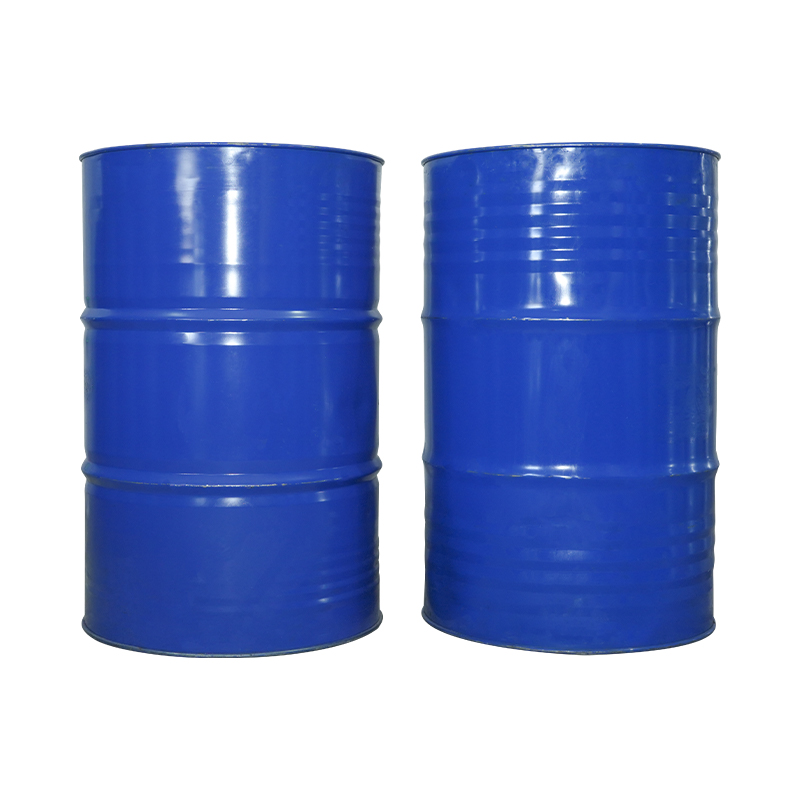 Alkyd Resins for Industrial Coatings
Alkyd resin is a commonly used base resin with high cost performance a...
-
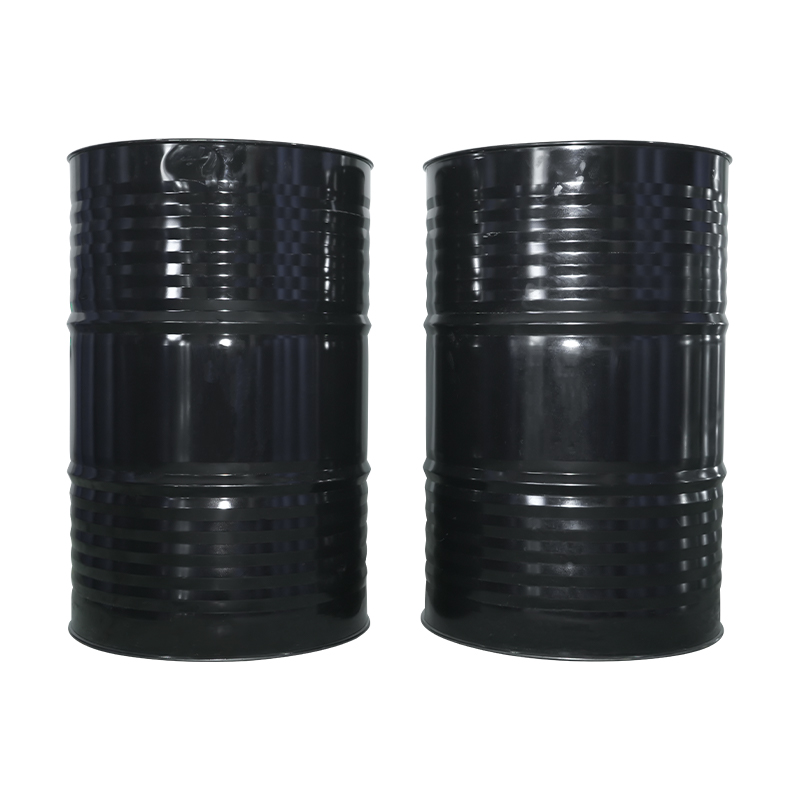 Self-drying Alkyd Resin
Self-drying alkyd resin is also one of the alkyd resins. This series o...
-
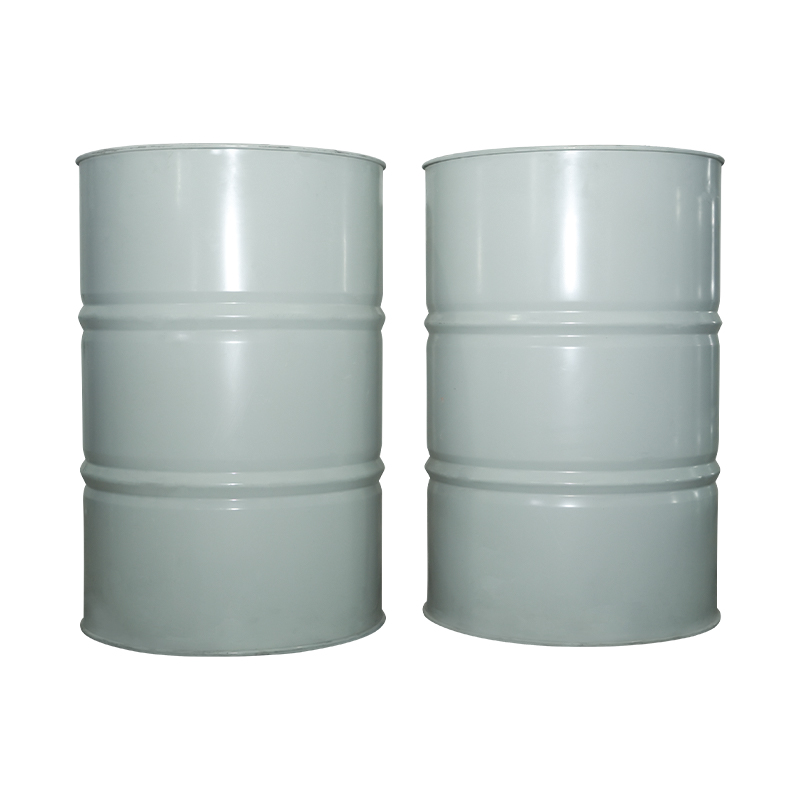 Solvent-based Hydroxy Acrylic Resin
It is one of the acrylic resins, but it is mainly used with isocyanate...
-
 Solvent-based Thermosetting Acrylic Resin
It is one of the acrylic resins. It is heated and cured with amino res...
-
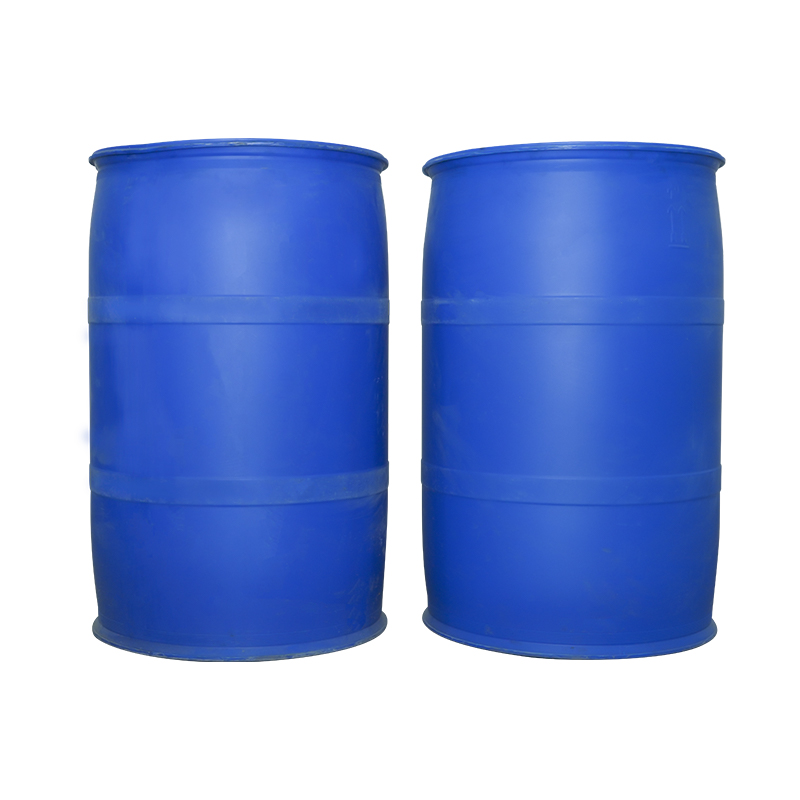 Solvent-based Thermoplastic Acrylic Resin
It is one of the acrylic resins. Its main features are single-componen...
-
 [email protected]
-
 No. 70, Linkage U Valley Industrial Park, Nanyue Road, Yixing City, Jiangsu Province, China.

 English
Saturated Polyester Resin: Properties, Applications, and Industry Insights
1. Introduction
Definition and Overview
Saturated polyester resin (SPR) is a type of thermosetting polymer characterized by a fully saturated molecular backbone without reactive double bonds.
Compared to unsaturated polyester resins, SPR is chemically stable, non-crosslinking, and highly resistant to environmental degradation.
Historical Background
Polyester resins emerged in the early 20th century as alternatives to natural resins and oils.
The development of saturated variants responded to industrial demands for materials with higher chemical and thermal stability.
Initially applied in coatings and laminates, SPR gradually expanded into textiles, adhesives, and composites.
Chemical Nature and Stability
Synthesized by polycondensation of diols (e.g., ethylene glycol, neopentyl glycol) and diacids (e.g., phthalic acid, adipic acid).
Fully saturated backbone ensures UV resistance, chemical resistance, and long-term durability.
Stable ester linkages reduce the risk of degradation compared to unsaturated polyesters.
Industrial Significance
Used extensively in coatings, paints, adhesives, laminates, and composite materials.
Provides mechanical strength, dimensional stability, and chemical resistance.
Plays a key role as an intermediate in thermoplastic polyesters like PET.
Market Trends
Steady growth driven by coatings, laminates, and high-performance applications.
Increasing demand for bio-based and environmentally friendly resins.
Emerging uses in advanced composites and 3D printing resins.
Conclusion
Saturated polyester resin is a critical material in modern industry.
Its versatility, durability, and processing flexibility make it indispensable for multiple sectors.
This article will explore its chemistry, properties, production, applications, advantages, limitations, and future trends.
2. Chemical Structure and Properties
Molecular Structure
Composed of alternating diols and diacids linked through ester bonds.
Absence of carbon-carbon double bonds results in chemical and UV stability.
Common monomers: ethylene glycol, propylene glycol, phthalic acid, adipic acid, and terephthalic acid.
Physical Properties
Density: 1.2–1.4 g/cm³ depending on formulation.
Glass transition temperature (Tg): 60–90°C, adjustable with monomer choice.
Melting point: varies with chain length and molecular weight.
Chemical Properties
Resistant to acids, bases, and common solvents.
Chemically inert due to saturated backbone.
Minimal crosslinking prevents brittleness and ensures stability in harsh environments.
Mechanical Properties
Hardness: can be tailored with additives.
Tensile strength: typically 40–60 MPa.
Impact resistance: moderate, can be enhanced with fillers or plasticizers.
Good adhesion to substrates when used in coatings and laminates.
Thermal Properties
Thermal stability up to ~250°C.
Low thermal expansion allows dimensional stability in coatings and composites.
Can be blended with other polymers for higher heat resistance.
Solubility and Compatibility
Soluble in common organic solvents like ketones, esters, and alcohols.
Compatible with pigments, fillers, plasticizers, and additives for customized formulations.
Environmental Stability
Resistant to UV degradation, oxidation, and hydrolysis.
Can maintain performance in outdoor and industrial conditions for decades.
3. Production Process
Raw Materials
Diols: ethylene glycol, propylene glycol, neopentyl glycol.
Diacids: phthalic acid, adipic acid, terephthalic acid.
Catalysts: tin, titanium, or antimony-based catalysts to accelerate polycondensation.
Polycondensation Reaction
Step-growth polymerization forms ester linkages between diols and diacids.
Reaction typically occurs under elevated temperature (180–250°C) and reduced pressure to remove water.
Molecular weight controlled by monomer ratio, reaction time, and temperature.
Processing Techniques
Melt polycondensation for high molecular weight resins.
Solution polymerization for coatings and liquid formulations.
Solid-state polymerization can be used to increase molecular weight after initial reaction.
Additives and Modifiers
Plasticizers improve flexibility and toughness.
Fillers enhance mechanical strength or reduce cost.
Stabilizers improve UV and thermal resistance.
Catalysts control reaction rate and molecular structure.
Quality Control
Monitoring acid value, viscosity, and molecular weight distribution.
Ensures consistency and performance for coatings, adhesives, or composites.
Standardized tests for thermal stability, mechanical properties, and solubility.
Environmental Considerations
Efforts to reduce VOCs in solvent-based production.
Development of bio-based monomers from renewable resources.
Wastewater treatment and solvent recovery integrated into industrial production.
4. Applications
Coatings and Paints
Industrial and automotive coatings due to chemical resistance and adhesion.
Wood coatings and furniture finishes with excellent durability.
Protective and decorative finishes in architectural applications.
Adhesives and Composites
Laminates for electrical and structural applications.
Reinforced composites with fiberglass or carbon fiber for automotive, marine, and construction industries.
High-performance adhesives for metal, glass, and plastics.
Textiles and Fibers
Polyester fibers for apparel and industrial fabrics.
Coatings on fabrics for water and chemical resistance.
Blends with other fibers to improve mechanical and thermal properties.
Plastic Modification
Used as a modifier to improve impact strength, chemical resistance, and processability of thermoplastics.
Blended with polyurethanes, epoxies, and acrylics.
Emerging Applications
3D printing resins for engineering-grade parts.
Bio-based and eco-friendly coatings.
Specialty films and laminates for electronics and packaging.
Summary
Versatility of SPR allows integration into a wide range of industries.
Application-driven formulation ensures tailored performance for each sector.
5. Advantages and Limitations
Advantages
Excellent chemical and UV resistance.
Thermal stability and dimensional consistency.
Flexibility in processing: melt, solution, or blending.
Compatibility with fillers, pigments, and additives.
Long lifespan in coatings, adhesives, and composites.
Limitations
Moderate heat resistance compared to high-performance resins like epoxy or polyimide.
Processing requires controlled temperature to avoid degradation.
Limited crosslinking potential compared to unsaturated polyesters, sometimes reducing mechanical toughness.
Higher cost compared to some traditional coatings and resins.
Comparison with Other Resins
Unsaturated polyester: more reactive, crosslinkable, less chemically stable.
Epoxy: higher adhesion and mechanical strength, more expensive.
Polyurethane: more flexible, excellent abrasion resistance, but less chemical inertness.
Optimization Strategies
Incorporation of fillers and reinforcing fibers.
Blending with other resins for hybrid properties.
Surface modification for improved adhesion or hydrophobicity.
6. Recent Innovations and Industry Trends
Bio-based and Sustainable Resins
Use of plant-based diols and diacids.
Reduction of VOC emissions in solvent-based coatings.
Recyclable and degradable polyester materials.
Functionalized Resins
Introduction of flame-retardant additives.
Conductive or magnetic fillers for specialized applications.
Self-healing and anti-scratch coatings.
Advanced Composites
SPR used as matrix in fiber-reinforced composites.
High-performance laminates for aerospace, automotive, and marine industries.
Lightweight, durable, and corrosion-resistant materials.
Market Trends
Increasing demand in Asia-Pacific for coatings and industrial applications.
Growth in automotive and construction sectors.
Development of tailored resins for high-end consumer products.
Research and Development
Computational design of monomer ratios for optimized properties.
Nanocomposite integration for enhanced mechanical and thermal performance.
Continuous exploration of bio-based alternatives to reduce carbon footprint.
7. Conclusion
Summary of Key Points
Saturated polyester resin is a chemically stable, thermosetting polymer with broad industrial applications.
Its saturated structure ensures resistance to chemicals, UV, and long-term degradation.
Versatile processing allows use in coatings, adhesives, composites, fibers, and plastics.
Industrial Significance
Integral in automotive, construction, electronics, and textile industries.
Enables production of durable, high-performance materials with tailored properties.
Acts as an intermediate in thermoplastic polyester production, such as PET.
Challenges and Opportunities
Limitations in heat resistance and crosslinking potential can be overcome with modifiers and hybrid systems.
Sustainability and environmental regulations are driving innovation toward bio-based, low-VOC resins.
Advanced composites and functionalized coatings expand the application spectrum.
Future Outlook
Continued growth driven by industrial demand and environmental considerations.
Research in nanocomposites, functionalized resins, and bio-based monomers will shape next-generation SPR products.
Saturated polyester resin will remain a critical material in modern industry, bridging durability, performance, and sustainability.
PREV:Unlocking the Potential of Paint: A Comprehensive Guide to Additives and BindersNEXT:New developments in the electronic chemicals industry and new opportunities in semiconductor technology
Interested in cooperation or have questions?


As Coatings Resins Manufacturers, Paint Resins Suppliers in China, Haisong adhering to the concept of "continuous innovation, professional service", I hope to work together with you, a common development!
Quick Link
Products
Contact Us
-
 +86-0510-87937687
-
 +86-0510-87072901
-
 [email protected]
-
 No. 70, Linkage U Valley Industrial Park, Nanyue Road, Yixing City, Jiangsu Province, China.
© 2024 Jiangsu Haisong New Material Technology Co.,Ltd. Foreign trade operated by Wuxi Haituo New Material Technology Co., Ltd. (wholly-owned subsidiary).

