The Chemistry Behind Alkyd Resin
Alkyd resin is a type of oil-modified polyester produced through a polycondensation reaction. The raw materials typically include a polyol (such as glycerol or pentaerythritol), a polyacid (such as phthalic anhydride or isophthalic acid), and a fatty acid or drying oil. The name "alkyd" itself is derived from alcohol and acid — the two functional building blocks of its synthesis.
The fatty acid component is what distinguishes alkyd from a standard polyester. Depending on the type and proportion of oil used, the resulting resin takes on different drying characteristics, film flexibility, and compatibility with other coating ingredients. This structural versatility is precisely why alkyd resin has remained one of the most widely used binders in the global coatings industry for decades.
Globally, alkyd resins account for approximately 20–25% of the total resin consumption in the coatings sector, making them the single largest resin category by volume in many industrial markets. For coating formulators and procurement managers, understanding what alkyd resin is — and how different types perform — directly affects product quality and cost efficiency.
Key Properties That Make Alkyd Resin a Coating Workhorse
Alkyd resin earns its dominant position in the market because of a practical combination of properties that few other binders can match at comparable cost:
- Excellent adhesion — alkyd films bond strongly to metal, wood, and concrete substrates without extensive surface preparation.
- Good film flexibility and toughness — the fatty acid chains provide elasticity, reducing the risk of cracking under mechanical stress or thermal cycling.
- Compatibility with pigments and additives — alkyds readily accept a broad range of pigments, driers, and modifiers, giving formulators wide latitude in product design.
- Good gloss and appearance — properly formulated alkyd coatings produce smooth, glossy finishes suitable for decorative and protective applications alike.
- Cost efficiency — raw material costs for alkyd resins are generally lower than for acrylic or epoxy alternatives, making them attractive for budget-sensitive applications.
It is worth noting the inherent limitations as well. Standard solvent-borne alkyds have relatively high VOC content, longer cure times compared to two-component systems, and can yellow over time in interior environments due to oxidation of the unsaturated fatty acid components. These characteristics inform the choice between different alkyd types — which we cover in the next section.
Types of Alkyd Resin: Choosing the Right Grade
Alkyd resins are classified primarily by oil length — the weight percentage of oil (or fatty acid) in the final resin. This single parameter has a profound effect on how the resin behaves in a formulation and what applications it suits best.
Classification of alkyd resins by oil length and their typical applications
| Type |
Oil Length |
Characteristics |
Typical Applications |
| Short oil alkyd |
< 40% |
Fast cure (with amino resin), hard film, high gloss |
Baking enamels, automotive OEM coatings |
| Medium oil alkyd |
40–60% |
Balanced drying speed and flexibility |
Industrial maintenance coatings, machinery paints |
| Long oil alkyd |
> 60% |
Air-drying, good penetration, flexible film |
Decorative paints, wood coatings, marine applications |
Self-Drying Alkyd Resin
Self-drying (or air-drying) alkyd resins cure at room temperature through oxidative polymerization — a process where unsaturated double bonds in the fatty acid chains react with atmospheric oxygen, forming cross-links. Metal driers (cobalt, manganese, zirconium) are added to catalyze this reaction and control the drying rate. Self-drying alkyds are the most widely used type for field-applied industrial maintenance coatings because they require no baking oven or external heat source.
Waterborne Alkyd Resin
Waterborne alkyd resins represent the industry's response to tightening VOC regulations. By emulsifying or dissolving the alkyd in water rather than organic solvent, formulators can achieve VOC levels below 100 g/L — far below the 300–400 g/L typical of conventional solvent-borne grades — while retaining much of the adhesion and film-build performance that alkyds are known for. Waterborne alkyds are increasingly specified for industrial metal protection, particularly where environmental compliance is non-negotiable.
Where Alkyd Resin Is Used: Major Industries and Applications
The versatility of alkyd resin means it appears across a wide spectrum of end-use markets. Here are the sectors where it adds the most value:
Industrial Maintenance Coatings
Alkyd-based primers and topcoats are a staple of corrosion protection for steel structures, pipelines, storage tanks, and industrial equipment. Their strong adhesion to metal substrates and compatibility with anti-corrosive pigments (such as zinc phosphate) make them reliable first-line protection. A well-formulated alkyd maintenance coating on a steel structure can deliver 5–10 years of service life in moderate exposure environments, offering excellent cost-per-year performance.
Architectural and Decorative Coatings
Long oil alkyds have historically dominated the architectural trim and door market due to their ability to self-level and produce a smooth, hard, washable surface. Even as water-based acrylics have taken significant share in interior wall paints, alkyd remains preferred for metal doors, window frames, and wood trim where hardness and blocking resistance are critical.
Industrial Inks
In offset lithographic printing inks, short-oil and medium-oil alkyds serve as the primary binder, providing the film-forming backbone that anchors pigment to the substrate. Their compatibility with linseed and soya oils, combined with fast ink-setting characteristics, makes them a preferred choice for commercial printing and packaging inks.
Coil Coatings and OEM Finishes
Short oil alkyds, used in combination with melamine or urea-formaldehyde resins in baking systems, deliver the high gloss and hardness required for coil-coated steel and OEM appliance finishes. Cure temperatures typically range from 120°C to 180°C, producing fully cross-linked films with excellent chemical and stain resistance.
Alkyd Resin vs. Other Common Coating Binders
When selecting a binder for a new formulation, it helps to understand how alkyd compares directly to the alternatives your team is likely evaluating:
Performance comparison of common coating binders across key attributes
| Attribute |
Alkyd |
Acrylic |
Epoxy |
Polyurethane |
| Cost |
Low |
Medium |
Medium–High |
High |
| Adhesion to metal |
Excellent |
Good |
Excellent |
Good |
| UV / chalk resistance |
Moderate |
Excellent |
Poor |
Excellent |
| Chemical resistance |
Moderate |
Good |
Excellent |
Excellent |
| Single-component use |
Yes |
Yes |
No (2K) |
No (2K) |
| VOC (solvent-borne) |
Medium–High |
Low–Medium |
Medium |
Medium |
The table illustrates why alkyd is rarely the "best" binder on any single performance axis — but it consistently ranks as the most practical all-round solution where cost, ease of formulation, and broad substrate adhesion must be balanced simultaneously. For applications demanding superior UV resistance or chemical immersion resistance, epoxy or polyurethane systems will outperform alkyds. But for general industrial and maintenance work, alkyds remain extremely competitive.
Modifications That Extend Alkyd Performance
Pure alkyd resins, while effective, are frequently modified to address specific performance gaps. The most commercially significant modifications include:
Silicone Modification
Incorporating silicone segments into the alkyd backbone significantly improves heat resistance and exterior durability. Silicone-modified alkyds can withstand continuous service temperatures of up to 200°C, making them suitable for exhaust systems, industrial ovens, and high-temperature equipment. They also chalk far less than unmodified alkyds under outdoor UV exposure.
Styrene Modification
Styrenating an alkyd resin increases hardness, reduces drying time, and improves water resistance. Styrenated alkyds are widely used in printing ink formulations and in industrial primers where fast recoat intervals are required. The trade-off is somewhat reduced flexibility compared to straight alkyd grades.
Urethane (Urethane-Alkyd) Modification
Reacting isocyanate with an alkyd resin produces a urethane-alkyd (sometimes called an "uralkyd"), which combines the air-drying convenience of an alkyd with much of the abrasion and chemical resistance of a polyurethane system. These resins are commonly used in wood floor coatings and marine varnishes where toughness and moderate chemical resistance are needed without the mixing complexity of a two-component system.
Formulation Tips: Getting the Most from Alkyd Resin
From our experience supplying alkyd-based products to industrial coating manufacturers, these are the practical considerations that most frequently affect end-product quality:
- Drier selection and balance: Using cobalt alone leads to surface skin formation before the underlying film has cured. A balanced drier combination — typically cobalt or manganese as the primary drier and zirconium or calcium as the secondary drier — promotes uniform through-cure and minimizes wrinkling.
- Solvent compatibility: Alkyd resins dissolve well in aromatic and aliphatic hydrocarbon solvents. Using incompatible solvents (such as high-ketone blends) can cause turbidity and poor film formation. Always check the resin's recommended solvent range with your supplier before formulating.
- Anti-skinning agents: Methyl ethyl ketoxime (MEKO) at 0.1–0.3% by weight prevents surface skin formation in the can during storage, extending shelf life significantly.
- Pigment selection: Some pigments (particularly acidic types or those containing sulfur) can interfere with drier activity. Always evaluate drying performance with your specific pigment package, not just the clear binder.
- Temperature and humidity: Alkyd oxidative curing is temperature-sensitive. At temperatures below 10°C, drying times can increase by 50–100%, and humidity above 85% RH can cause sagging and poor gloss development on spray-applied coatings.
Sustainability and the Shift to Waterborne Alkyd Systems
The regulatory environment for industrial coatings continues to tighten globally. The European Union's Paints Directive and equivalent regulations in China, North America, and Southeast Asia are progressively lowering the permissible VOC limits for industrial maintenance coatings, primers, and architectural finishes. This is pushing a meaningful share of alkyd demand from solvent-borne to waterborne formulations.
Waterborne alkyd resins retain the characteristic adhesion and flexibility of their solvent-borne counterparts while meeting VOC compliance thresholds that would be impossible to achieve with conventional alkyd technology. The challenge historically was film coalescence at low temperatures and the tendency toward slower drying — both of which have been substantially addressed through improved emulsification chemistry and the use of co-solvents at low levels.
For manufacturers of industrial coatings who are reformulating to meet new VOC standards, waterborne alkyd systems often represent the lowest-risk path — preserving substrate compatibility and application properties that your customers are already familiar with, while achieving the compliance your markets increasingly demand.
We offer a comprehensive range of industrial alkyd resins for coatings and inks, including both conventional and waterborne grades, with customization available to meet specific performance targets. If you are evaluating alkyd resins for a new formulation or looking to transition existing products to lower-VOC systems, we are glad to support your development process with technical samples and application testing.


 English
 русский
 Español
 عربى
عربى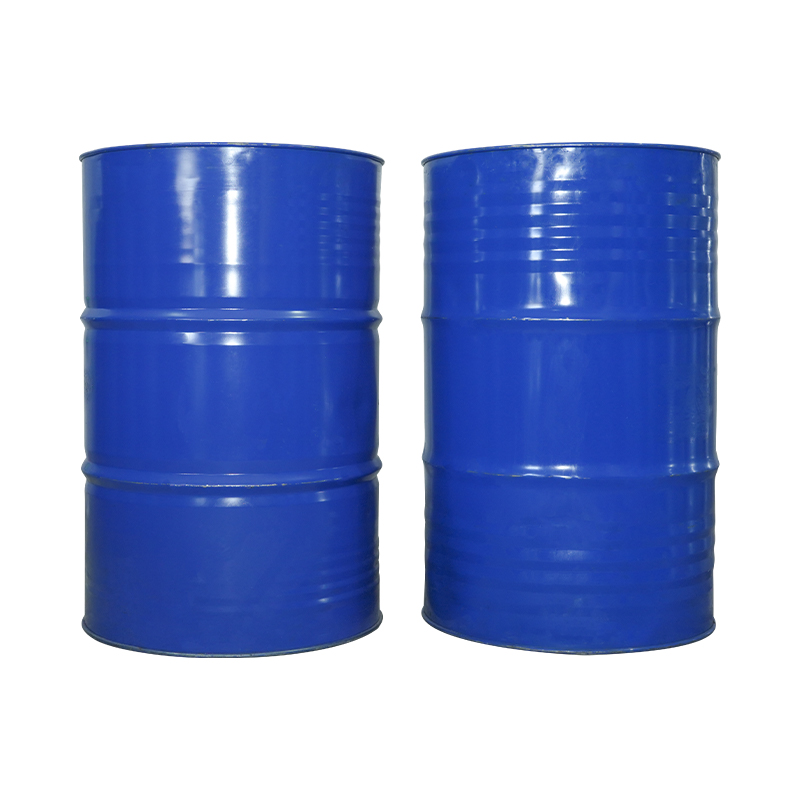 Alkyd Resins for Industrial Coatings
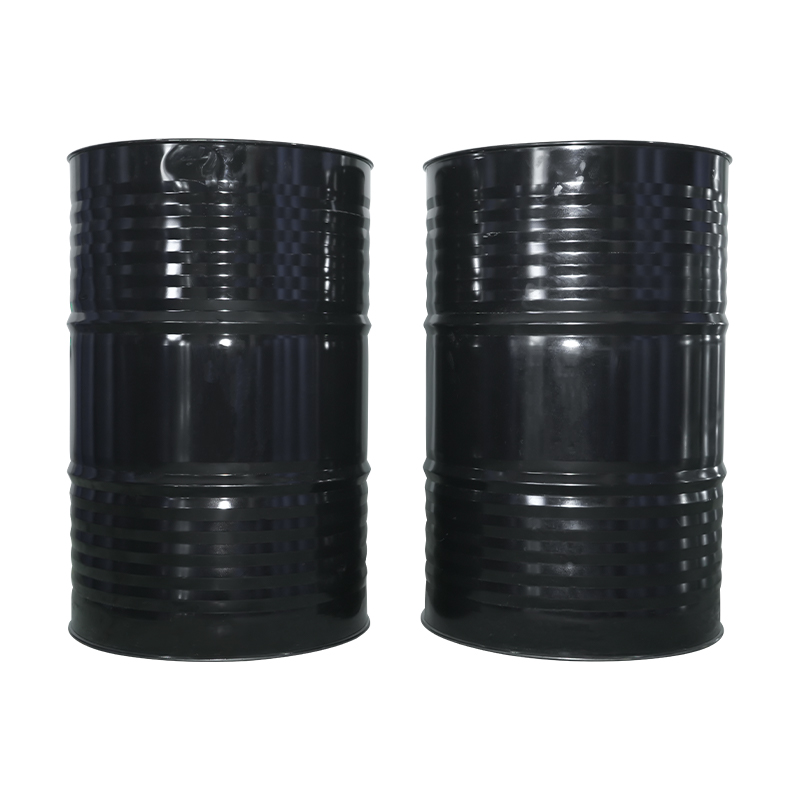 Self-drying Alkyd Resin
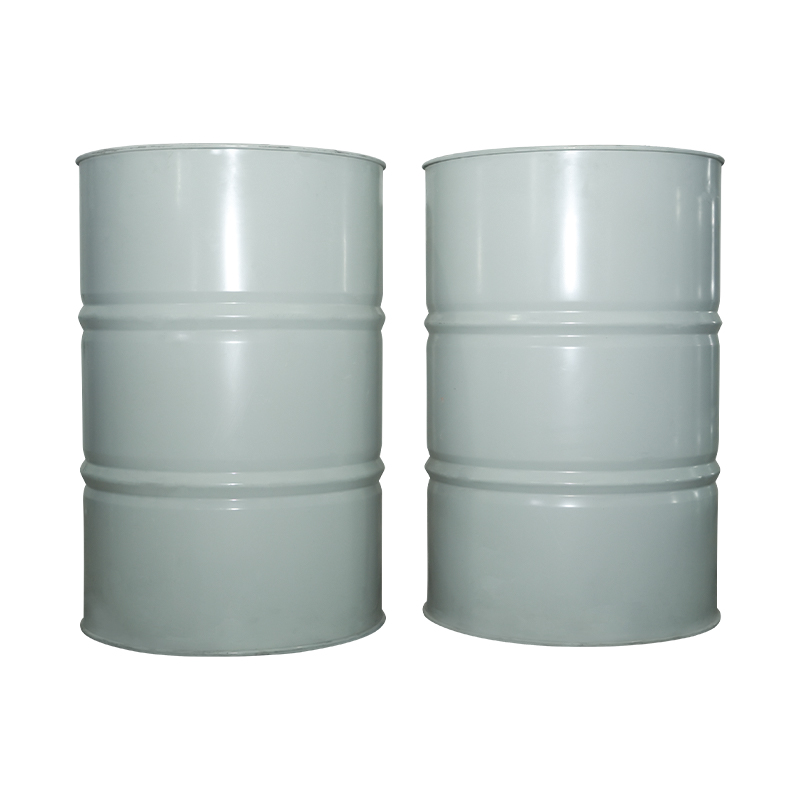 Solvent-based Hydroxy Acrylic Resin
 Solvent-based Thermosetting Acrylic Resin
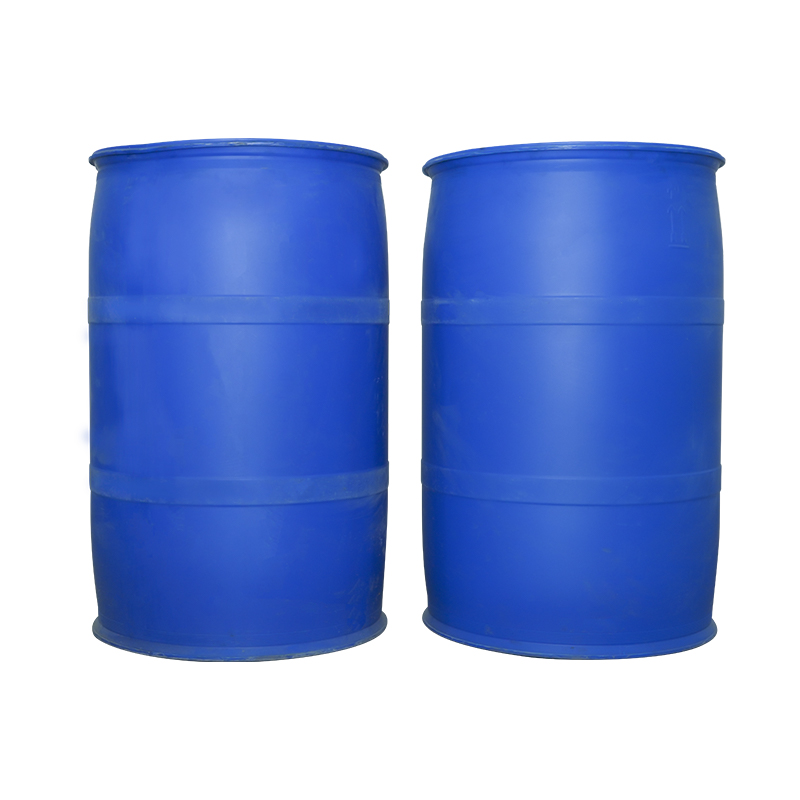 Solvent-based Thermoplastic Acrylic Resin
 [email protected]
 No. 70, Linkage U Valley Industrial Park, Nanyue Road, Yixing City, Jiangsu Province, China.

 English


 +86-0510-87937687
 +86-0510-87072901
 [email protected]
 No. 70, Linkage U Valley Industrial Park, Nanyue Road, Yixing City, Jiangsu Province, China.

