Alkyd resins are the backbone of a wide range of industrial coatings, valued for their excellent adhesion, durability, and cost-efficiency. Derived from polyester chemistry and modified with fatty acids, they form tough, flexible films that protect metal, wood, and concrete surfaces across demanding environments. For industrial applications, alkyd-based coatings remain one of the most practical and widely used solutions available.
Whether you are formulating primers, topcoats, or maintenance coatings, understanding how alkyd resins behave and how to select them correctly can make a significant difference in coating performance and service life.
What Alkyd Resins Are and How They Work
Alkyd resins are synthetic polymers produced by reacting polyols (such as glycerol or pentaerythritol) with dibasic acids (such as phthalic anhydride) and fatty acids or drying oils. The name comes from alcohol and acid, reflecting the esterification chemistry involved.
When applied as a coating, alkyd resins cure through oxidative crosslinking. The unsaturated fatty acid chains in the resin react with atmospheric oxygen, forming a hard, continuous film. This air-dry mechanism makes alkyd coatings particularly practical for field application and large-area industrial work where oven curing is not feasible.
The fatty acid content, known as oil length, is one of the most important variables in alkyd resin performance. It directly influences drying speed, hardness, flexibility, and compatibility with other coatings components.
Types of Alkyd Resins Used in Industrial Coatings
Alkyd resins are classified primarily by oil length, but they are also modified with other materials to expand their performance range. The main types used industrially are as follows.
Short, Medium, and Long Oil Alkyds
Comparison of alkyd resin oil length types and their industrial uses
| Oil Length |
Oil Content |
Key Properties |
Typical Applications |
| Short Oil |
Less than 40% |
Hard, fast-drying, good gloss retention |
Baking enamels, industrial stoving finishes |
| Medium Oil |
40 to 60% |
Balanced hardness and flexibility |
General industrial topcoats, primers |
| Long Oil |
More than 60% |
Flexible, excellent weatherability, slower dry |
Structural steel, marine, maintenance coatings |
Modified Alkyd Resins
Standard alkyds are modified with other polymers or chemicals to address limitations such as yellowing, slow dry time, or limited chemical resistance. Common modifications used in industrial coatings include:
- Silicone-modified alkyds: Greatly improved heat resistance, useful in coatings for industrial equipment and exhaust systems exposed to temperatures up to 200 degrees Celsius
- Styrenated alkyds: Faster dry times and improved hardness compared to unmodified versions, often used in industrial primers
- Urethane-modified alkyds (uralkyds): Substantially better abrasion and chemical resistance, widely used in floor coatings and industrial maintenance
- Waterborne alkyd emulsions: Reduced solvent emissions while retaining the film properties of conventional alkyds, increasingly favored for environmental compliance
Key Performance Properties for Industrial Use
Alkyd resins offer a combination of properties that explain their continued use in industrial environments despite competition from newer technologies.
Adhesion and Corrosion Protection
Alkyd resins adhere well to clean metal surfaces, making them suitable for protective primers on steel and iron. When combined with anticorrosive pigments such as zinc phosphate, alkyd primer coatings can deliver salt spray resistance exceeding 500 hours in standardized testing, which is adequate for many general industrial environments.
Film Hardness and Flexibility
The oil length directly controls the balance between hardness and flexibility. Short oil alkyds can achieve pencil hardness values of H to 2H after full cure, while long oil versions remain flexible enough to withstand substrate movement without cracking. This range allows formulators to tailor mechanical performance to the application.
Gloss and Appearance
Alkyd resins produce naturally high-gloss films with good flow and leveling characteristics. Medium to long oil alkyds formulated as topcoats regularly achieve 60-degree gloss readings above 85 GU, which satisfies most industrial finish specifications without the complexity of two-component systems.
Drying Time
Conventional long oil alkyds in solventborne formulations typically achieve dust-free dry in 1 to 2 hours and touch-dry in 4 to 6 hours at 23 degrees Celsius. Styrenated or urethane-modified versions can reach touch-dry in under 2 hours. Full cure, however, takes several days as oxidative crosslinking continues after surface drying.
Limitations to Consider in Industrial Applications
Despite their strengths, alkyd resins have known limitations that must be accounted for during formulation and specification.
- Yellowing: Alkyds based on linseed or soya oil tend to yellow on aging, particularly in low-light conditions, which limits their use in white or light-colored topcoats indoors
- Limited chemical resistance: Standard alkyds saponify (break down) when exposed to strong alkalis, making them unsuitable as direct coatings over fresh concrete or in environments with alkaline splash
- Moisture sensitivity during cure: High humidity slows the drying process and can cause surface defects such as blushing or wrinkling if application conditions are not controlled
- VOC content: Solventborne alkyd formulations traditionally carry high volatile organic compound levels, often between 300 and 500 grams per liter, which increasingly conflicts with environmental regulations
Waterborne alkyd emulsions and high-solids alkyd formulations have been developed to address the VOC issue. Waterborne versions now achieve VOC levels below 100 grams per liter while maintaining comparable film performance to traditional solventborne products in many applications.
How to Select the Right Alkyd Resin for Your Coating
Selecting an alkyd resin requires matching the resin characteristics to the specific demands of the coating system and end-use environment. The following steps provide a practical framework.
- Define the substrate and exposure conditions. Steel structures in outdoor environments benefit from long oil or silicone-modified alkyds for weatherability, while interior metal components can use shorter oil or styrenated versions for faster throughput.
- Establish drying requirements. If production speed is critical, consider styrenated or urethane-modified alkyds that reduce dry-to-recoat time significantly compared to standard versions.
- Check compatibility with pigments and additives. Anticorrosive pigments, driers, and matting agents all interact with the resin. Always evaluate formulation compatibility through laboratory trials before scale-up.
- Assess regulatory requirements. If the coating must comply with VOC regulations in your market, waterborne alkyd emulsions or high-solids formulations should be considered from the outset rather than as an afterthought.
- Evaluate cost against performance needs. Standard medium oil alkyds offer a cost-effective baseline for general industrial topcoats. Modified resins carry higher material costs but may reduce total system cost through improved performance or fewer coats required.
Common Industrial Applications Where Alkyd Coatings Perform Well
Alkyd resin coatings are used across many industrial sectors where their combination of adhesion, gloss, and durability provides a practical and economical solution.
- Structural steel and ironwork: Maintenance coatings on bridges, pipelines, and industrial structures where long oil alkyds provide flexible protection against weathering
- Agricultural and construction equipment: Alkyd primers and topcoats are widely used on machinery where appearance and moderate corrosion protection are both required
- Industrial floor coatings: Urethane-modified alkyd formulations provide the abrasion resistance and chemical resistance needed for light-to-medium duty floor applications
- General metal fabrication: Short and medium oil alkyds used in stoving enamels provide high production efficiency with good hardness and gloss
- Marine maintenance: Long oil alkyds remain a cost-effective choice for above-waterline marine maintenance where extreme chemical resistance is not required
Alkyd Resins Versus Other Industrial Coating Technologies
It is useful to understand where alkyd resins sit relative to alternative industrial coating technologies so that the right choice is made for each application.
Performance and practical comparison of alkyd resins against other industrial coating binder types
| Binder Type |
Corrosion Resistance |
Chemical Resistance |
Ease of Application |
Relative Cost |
| Alkyd |
Moderate |
Low to moderate |
High (single component) |
Low |
| Epoxy |
High |
High |
Moderate (two component) |
Medium to high |
| Polyurethane |
High |
High |
Moderate (two component) |
High |
| Acrylic |
Moderate |
Moderate |
High (single component) |
Medium |
Alkyd resins are not the highest performer in any single category, but their combination of low cost, single-component convenience, and acceptable performance across corrosion protection, appearance, and durability makes them a practical choice where extreme chemical or mechanical demands are not present.
Conclusion
Alkyd resins continue to hold a well-earned position in industrial coatings formulation. Their versatility across oil lengths and modification types means that a well-selected alkyd can meet the requirements of a broad range of substrates, exposure conditions, and application methods. While they are not suited to highly aggressive chemical or immersion environments where epoxies or polyurethanes are required, they remain the most cost-effective single-component option for general industrial protective and decorative coatings.
The ongoing development of waterborne and high-solids alkyd technologies also ensures that alkyd resins will remain relevant as the coatings industry continues to adapt to tightening environmental regulations without sacrificing the practical advantages that have made these resins a standard for decades.


 English
 русский
 Español
 عربى
عربى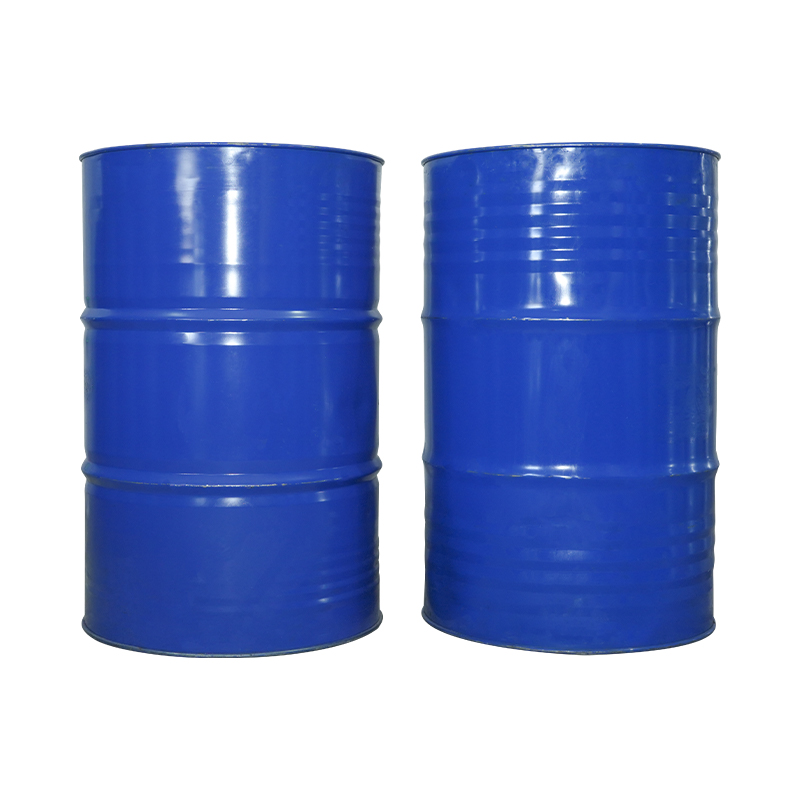 Alkyd Resins for Industrial Coatings
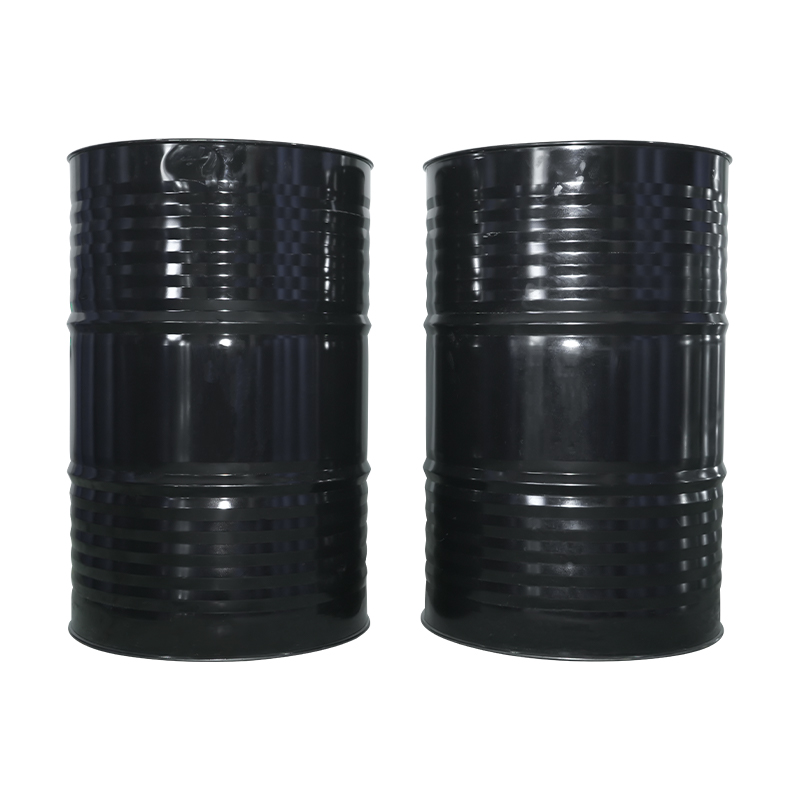 Self-drying Alkyd Resin
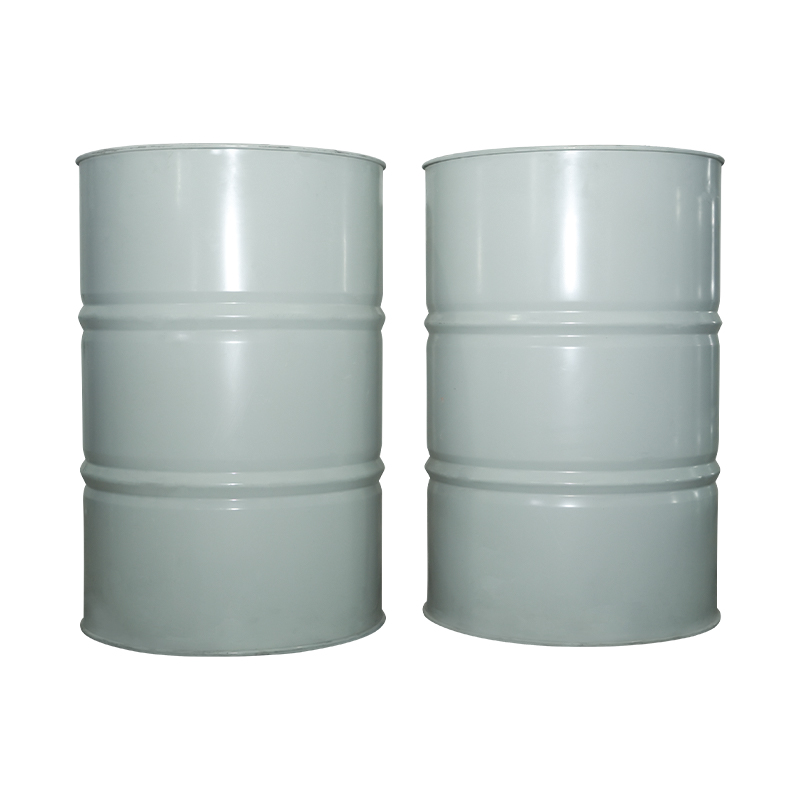 Solvent-based Hydroxy Acrylic Resin
 Solvent-based Thermosetting Acrylic Resin
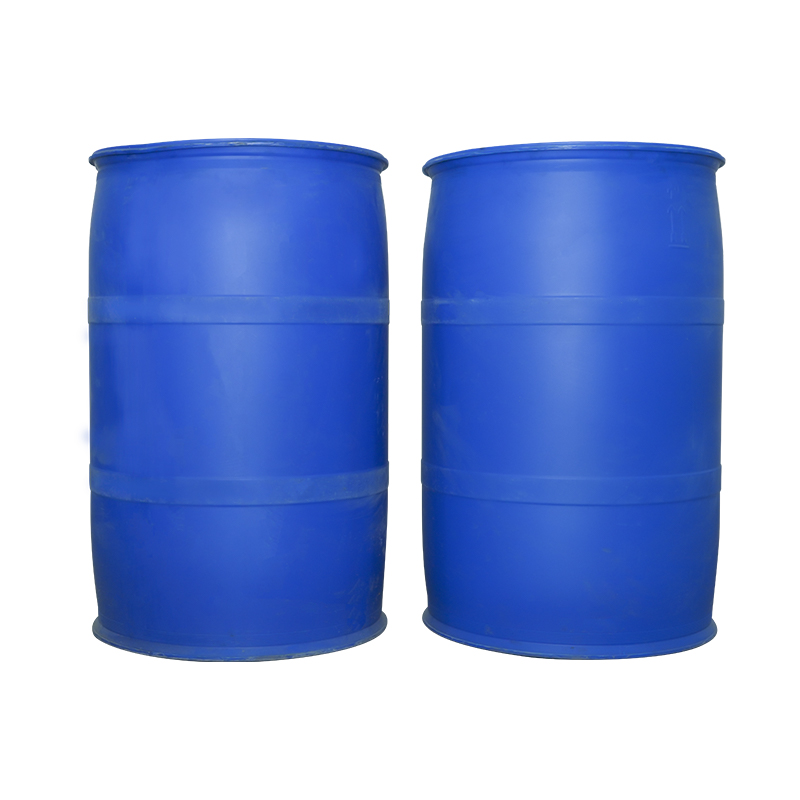 Solvent-based Thermoplastic Acrylic Resin
 [email protected]
 No. 70, Linkage U Valley Industrial Park, Nanyue Road, Yixing City, Jiangsu Province, China.

 English


 +86-0510-87937687
 +86-0510-87072901
 [email protected]
 No. 70, Linkage U Valley Industrial Park, Nanyue Road, Yixing City, Jiangsu Province, China.

