

 English
 русский
 Español
 عربى
عربى-
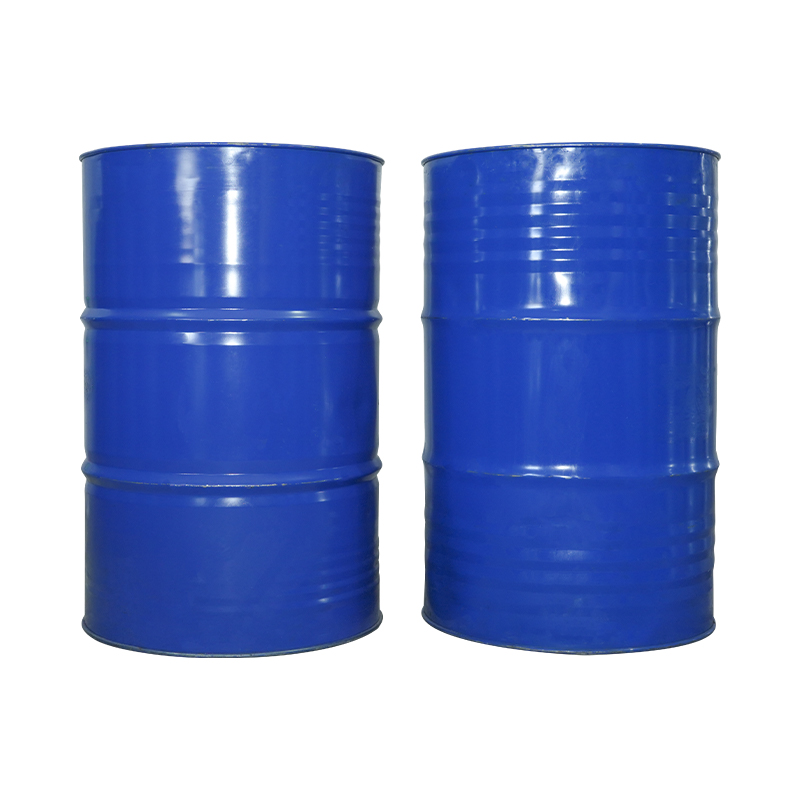 Alkyd Resins for Industrial Coatings
Alkyd resin is a commonly used base resin with high cost performance a...
-
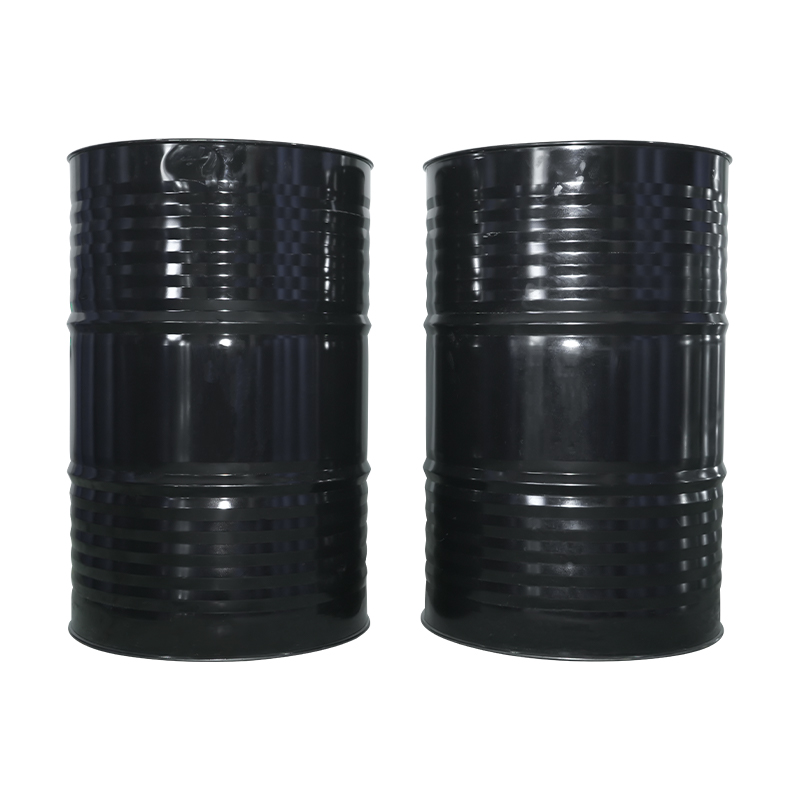 Self-drying Alkyd Resin
Self-drying alkyd resin is also one of the alkyd resins. This series o...
-
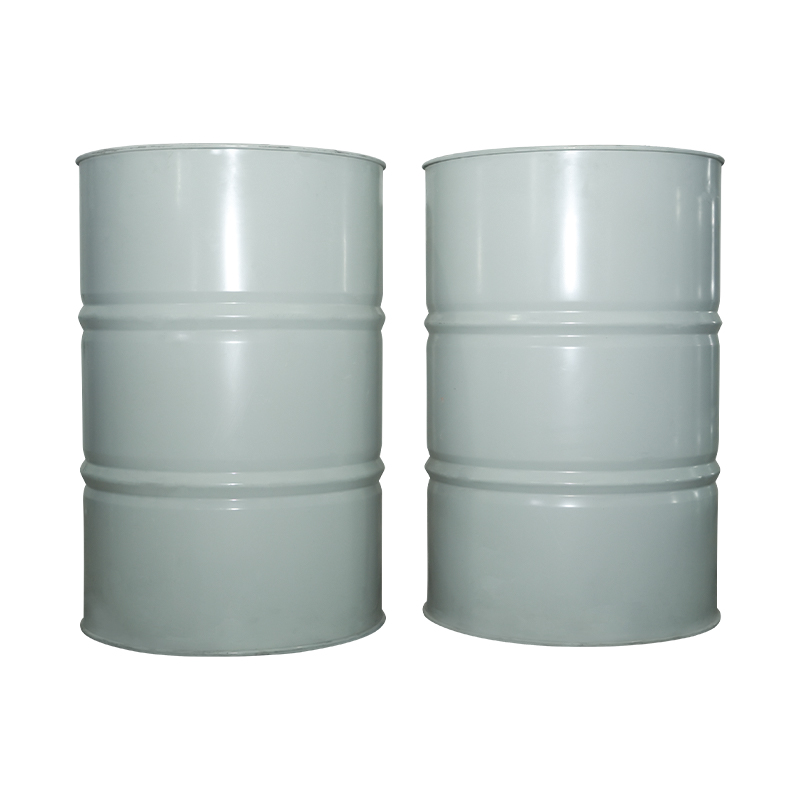 Solvent-based Hydroxy Acrylic Resin
It is one of the acrylic resins, but it is mainly used with isocyanate...
-
 Solvent-based Thermosetting Acrylic Resin
It is one of the acrylic resins. It is heated and cured with amino res...
-
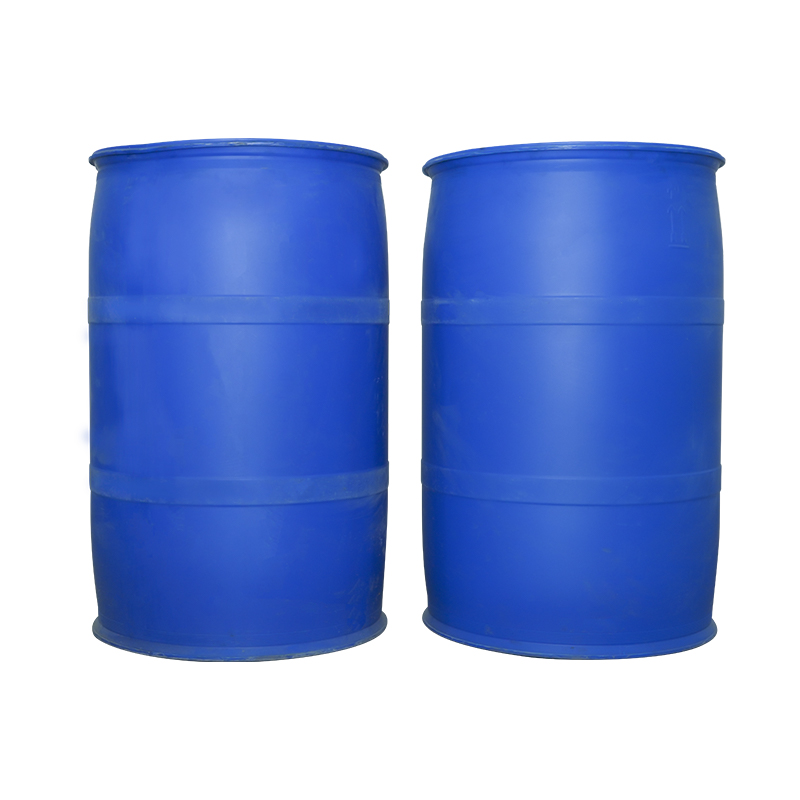 Solvent-based Thermoplastic Acrylic Resin
It is one of the acrylic resins. Its main features are single-componen...
-
 [email protected]
-
 No. 70, Linkage U Valley Industrial Park, Nanyue Road, Yixing City, Jiangsu Province, China.

 English
What Industries Commonly Use Self-Drying Alkyd Resin?
Content
- 1 1. Coatings and Paint Industry
- 2 2. Wood Finishing Industry
- 3 3. Automotive and Transportation Industry
- 4 4. Metal Protection and Industrial Equipment
- 5 5. Marine and Offshore Industry
- 6 6. DIY and Consumer Applications
- 7 7. Printing and Coating on Non-Porous Surfaces
- 8 8. Factors Driving Industrial Use
- 9 Conclusion
Self-drying alkyd resin is versatile and widely used in multiple industries due to their excellent film-forming properties, adhesion, and ease of application. These resins are a type of modified polyester that incorporates oils, allowing them to dry at room temperature without additional catalysts or heat. This self-drying characteristic makes them particularly attractive for industries that require efficient, durable coatings.
1. Coatings and Paint Industry
The coatings and paint industry is perhaps the most prominent user of self-drying alkyd resin. These resins serve as a critical component in both decorative and protective coatings.
- Architectural Paints: Self-drying alkyd resins are commonly formulated into interior and exterior paints for residential and commercial buildings. They provide good adhesion, a smooth finish, and moderate flexibility, making them suitable for walls, doors, and furniture.
- Industrial Coatings: Factories and manufacturing facilities use alkyd-based coatings to protect machinery, pipelines, and structural steel. The self-drying property allows rapid application and reduces downtime.
- Enamels and Varnishes: Alkyd resins are widely used in enamel paints and varnishes due to their high gloss, durability, and ability to form hard, protective films. This makes them ideal for surfaces exposed to wear and tear.
Why self-drying matters: Faster drying times reduce labor costs and speed up production, especially in industrial painting operations where large-scale surface coverage is required.
2. Wood Finishing Industry
Self-drying alkyd resins are extensively used in wood finishing due to their excellent surface adhesion, aesthetic appeal, and protective qualities.
- Furniture Coatings: High-quality wood furniture often receives a finish made from alkyd resins. The resin provides a smooth, glossy coat that enhances the wood grain while protecting it from moisture and scratches.
- Flooring and Paneling: Wood panels, floorboards, and cabinetry benefit from alkyd resin coatings because of their durability and resistance to chipping and cracking.
- Decorative Veneers: Self-drying alkyd resin allows manufacturers to create finishes that mimic natural wood textures while offering longer-lasting protection.
Benefits for wood: Alkyd resins penetrate slightly into the wood surface, improving adhesion and providing a more uniform finish than water-based alternatives. The ability to self-dry simplifies production and reduces wait times.
3. Automotive and Transportation Industry
Alkyd resins, particularly self-drying types, play a significant role in the automotive sector. While modern vehicles often use more advanced coatings, alkyd-based enamels remain relevant for specific applications.
- Automotive Refinishing: Self-drying alkyd enamels are used in repair shops for minor touch-ups and repainting. Their ability to form a hard, glossy layer makes them suitable for restoring vehicle aesthetics.
- Commercial Vehicles: Trucks, buses, and trailers sometimes use alkyd resin-based paints due to cost efficiency and ease of application in large fleets.
- Rail and Maritime Transport: Alkyd coatings are occasionally used on railcars and boats where a durable, weather-resistant layer is needed. Self-drying resins help streamline maintenance schedules.
Why preferred: The fast-drying nature reduces downtime for vehicles in service and ensures that the paint cures evenly without complex equipment.
4. Metal Protection and Industrial Equipment
Metal substrates are prone to corrosion, and self-drying alkyd resins provide a practical solution for protective coatings.
- Steel Structures: Industrial facilities and warehouses often use alkyd coatings on steel frameworks, beams, and supports to prevent rust.
- Machinery and Equipment: Coatings derived from self-drying alkyd resins protect machinery from abrasion, oil exposure, and environmental factors.
- Containers and Pipelines: Alkyd resin coatings are used in manufacturing and shipping containers, as well as on pipelines, to extend service life by forming a durable, moisture-resistant barrier.
Industrial advantages: Alkyd resins are compatible with primers and can be applied in multiple layers, enhancing corrosion resistance and providing long-term protection.
5. Marine and Offshore Industry
Although more specialized marine coatings often rely on polyurethane or epoxy systems, self-drying alkyd resins remain relevant in certain applications.
- Boat Finishes: Alkyd-based paints are used for smaller boats, yachts, and wooden vessels. They offer water resistance and UV protection while maintaining ease of application.
- Offshore Equipment: On offshore platforms or docks, self-drying alkyd resins provide a cost-effective solution for non-critical structures exposed to saltwater and weathering.
Advantages in marine use: The simplicity of application without heating or catalytic curing allows on-site coatings in remote locations where equipment access is limited.
6. DIY and Consumer Applications
Self-drying alkyd resins are not just industrial; they are also popular in the consumer and DIY markets.
- Home Improvement: Alkyd-based paints and varnishes are favored for do-it-yourself projects such as painting furniture, doors, cabinets, and fences.
- Arts and Crafts: Some hobbyists use alkyd resins in small-scale craft projects, including model-making and decorative coatings, due to their smooth finish and color retention.
- Repair and Maintenance: Touch-up paints for appliances, fences, and wooden structures often use self-drying alkyd formulations for quick results.
Consumer benefits: Ease of use, moderate toxicity, and self-drying properties make them suitable for non-professional applications, reducing project time and effort.
7. Printing and Coating on Non-Porous Surfaces
Self-drying alkyd resins are also used in specialized coatings for non-porous surfaces.
- Printing Inks: Some industrial inks incorporate alkyd resins to enhance adhesion and durability on metal, plastic, or coated paper.
- Protective Laminates: Alkyd resin coatings are used in laminates or pre-coated sheets to add gloss and improve scratch resistance.
Importance: The ability to form a continuous film without additional heat curing makes self-drying alkyd resins convenient for these applications.
8. Factors Driving Industrial Use
Several key properties make self-drying alkyd resin highly attractive across these industries:
- Fast Drying – Reduces production time and increases efficiency.
- Good Adhesion – Compatible with wood, metal, and various primers.
- Durable Finish – Provides resistance against wear, moisture, and mild chemicals.
- Cost-Effective – Less expensive than epoxy or polyurethane coatings in many applications.
- Versatility – Can be formulated for gloss, semi-gloss, or matte finishes.
- Ease of Application – Can be brushed, sprayed, or rolled, making it suitable for large and small-scale projects.
Conclusion
Self-drying alkyd resin is a widely used material in multiple industries, from architectural coatings and wood finishing to automotive, metal protection, marine applications, and DIY projects. Its combination of fast drying, strong adhesion, and durable finish makes it a versatile choice for manufacturers, artisans, and consumers alike. Understanding the specific benefits of self-drying alkyd resin helps industries select the right formulations for their needs, balancing efficiency, performance, and cost.
As industries continue to evolve, self-drying alkyd resins remain a dependable, practical option for applications where a reliable, easy-to-apply coating is required.
PREV:How Does Solvent-based Hydroxy Acrylic Resin Affect Adhesion of Topcoats?NEXT:Can Saturated Polyester Resin Be Used for Outdoor Applications
Interested in cooperation or have questions?


As Coatings Resins Manufacturers, Paint Resins Suppliers in China, Haisong adhering to the concept of "continuous innovation, professional service", I hope to work together with you, a common development!
Quick Link
Products
Contact Us
-
 +86-0510-87937687
-
 +86-0510-87072901
-
 [email protected]
-
 No. 70, Linkage U Valley Industrial Park, Nanyue Road, Yixing City, Jiangsu Province, China.
© 2024 Jiangsu Haisong New Material Technology Co.,Ltd. Foreign trade operated by Wuxi Haituo New Material Technology Co., Ltd. (wholly-owned subsidiary).

