

 English
 русский
 Español
 عربى
عربى-
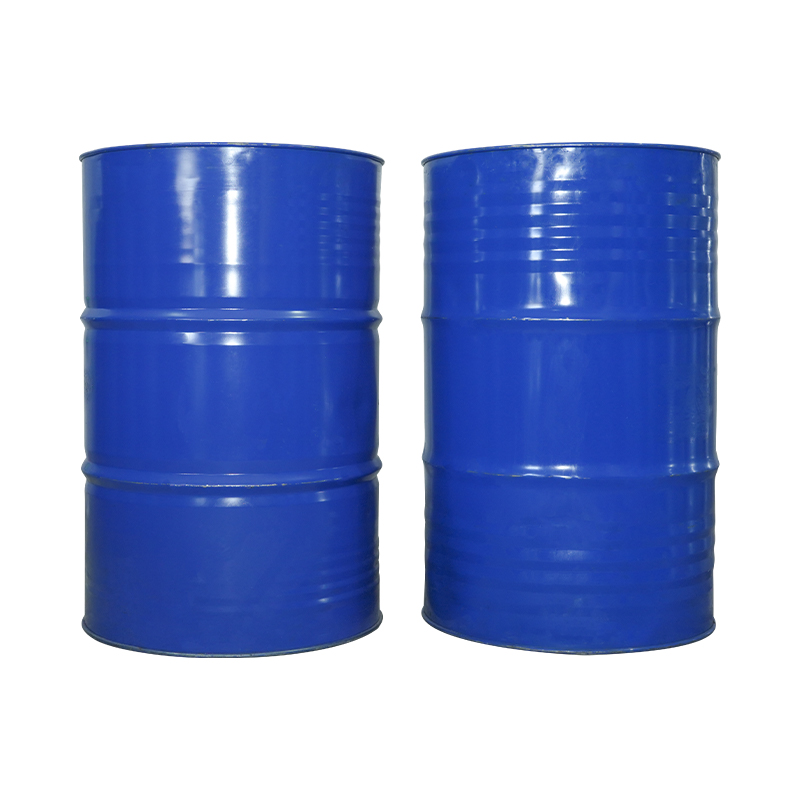 Alkyd Resins for Industrial Coatings
Alkyd resin is a commonly used base resin with high cost performance a...
-
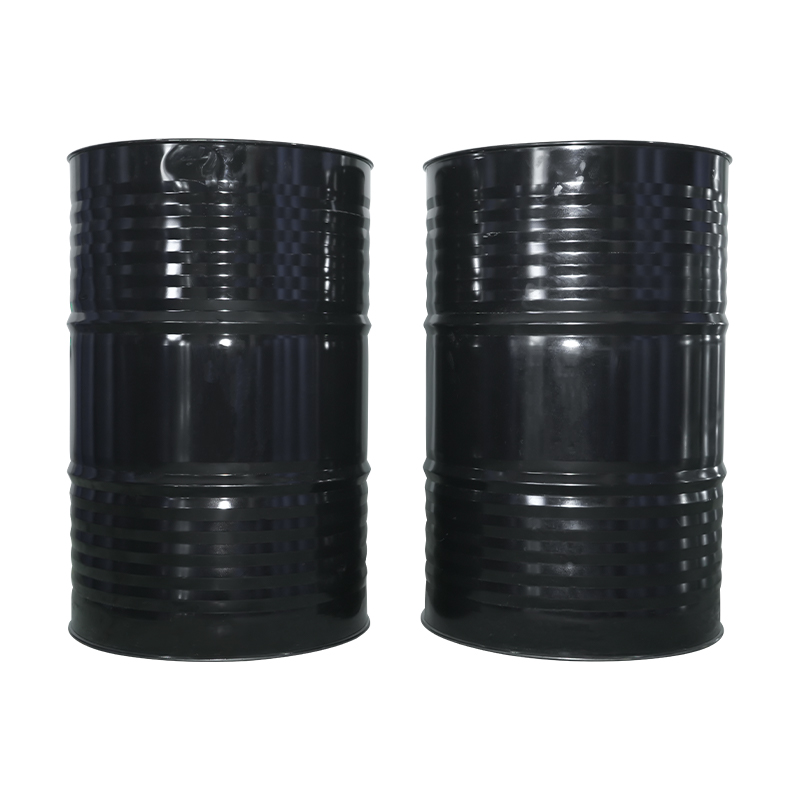 Self-drying Alkyd Resin
Self-drying alkyd resin is also one of the alkyd resins. This series o...
-
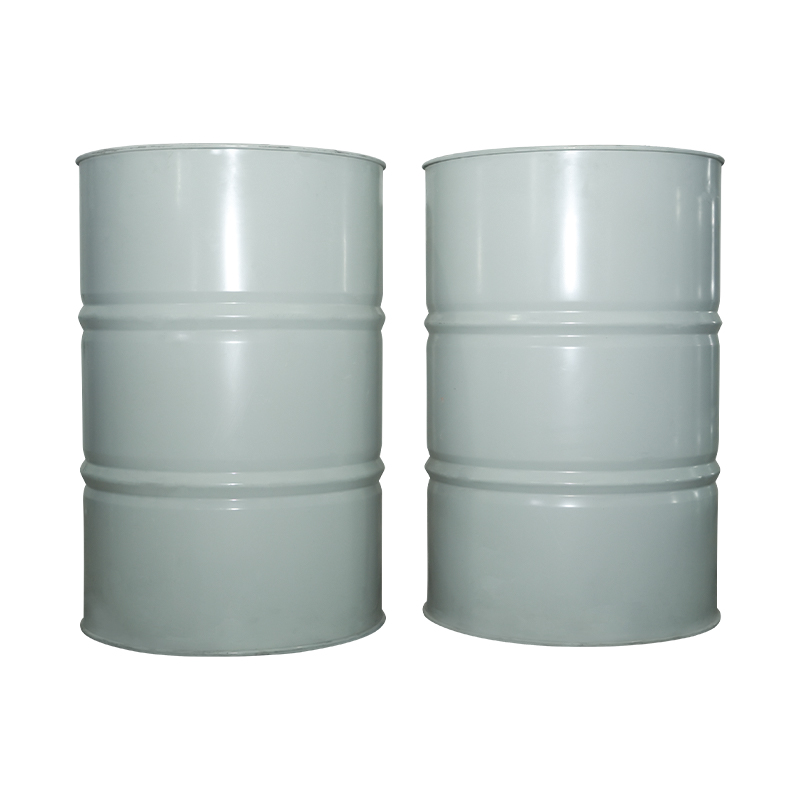 Solvent-based Hydroxy Acrylic Resin
It is one of the acrylic resins, but it is mainly used with isocyanate...
-
 Solvent-based Thermosetting Acrylic Resin
It is one of the acrylic resins. It is heated and cured with amino res...
-
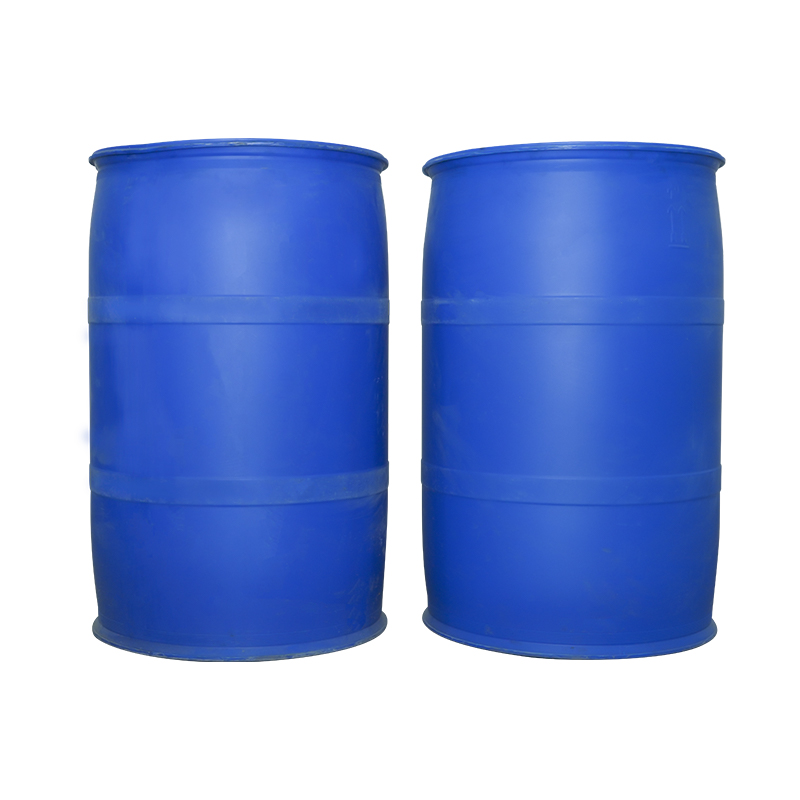 Solvent-based Thermoplastic Acrylic Resin
It is one of the acrylic resins. Its main features are single-componen...
-
 [email protected]
-
 No. 70, Linkage U Valley Industrial Park, Nanyue Road, Yixing City, Jiangsu Province, China.

 English
Can Saturated Polyester Resin Be Used for Outdoor Applications
Content
Saturated polyester resin is a type of polymer that is widely used in coatings, industrial paints, and can coatings. It is produced through a polycondensation reaction between polyols and polyacids. The resulting polymer is a thermosetting resin known for its mechanical strength, chemical stability, and resistance to environmental factors. One question that often arises is whether this type of resin is suitable for outdoor applications.
Chemical Structure and Properties
The chemical structure of saturated polyester resin plays a key role in determining its behavior under outdoor conditions. Saturated polyester contains no carbon carbon double bonds in the backbone of the polymer chain, which distinguishes it from unsaturated polyester resins. The absence of unsaturation reduces susceptibility to oxidative degradation when exposed to sunlight and oxygen. This feature contributes to the resin’s chemical stability and helps maintain its mechanical properties over time.
Saturated polyester resins are thermosetting, which means that once they are cured, they form a rigid three dimensional network. This network provides excellent mechanical strength, including tensile strength, impact resistance, and hardness. These characteristics are important for outdoor applications because materials used outdoors must resist physical stresses, such as wind pressure, impacts, and mechanical wear.
Weather Resistance
One of the most critical factors for outdoor applications is weather resistance. Outdoor materials are exposed to various environmental elements, including ultraviolet radiation from sunlight, moisture, temperature fluctuations, and pollutants. Saturated polyester resins are known for their good weather resistance, which makes them suitable for exterior coatings and industrial applications.
Ultraviolet light is a major cause of degradation for many polymers. Exposure to UV radiation can break chemical bonds in polymers, leading to discoloration, loss of gloss, and reduced mechanical strength. Saturated polyester resins have a more stable backbone structure than unsaturated polyesters, which provides them with a degree of UV resistance. However, it is common to include additional stabilizers or UV absorbers in outdoor coatings to further enhance durability and prolong the lifespan of the material under direct sunlight.
Moisture and humidity are other significant factors in outdoor environments. Water can penetrate coatings and interact with the underlying substrate, causing swelling, blistering, or corrosion. Saturated polyester resins exhibit good resistance to water absorption and hydrolysis due to their chemical composition. This property allows them to maintain adhesion and structural integrity in outdoor conditions where rain, dew, or high humidity is present.
Temperature and Thermal Stability
Outdoor materials are often subjected to extreme temperature variations, from hot summer days to cold winter nights. Saturated polyester resins demonstrate good thermal stability, which helps prevent deformation or loss of mechanical properties in fluctuating temperatures. The glass transition temperature of the resin, which is the temperature range where the material transitions from rigid to more flexible, is generally high enough to ensure performance under typical outdoor conditions.
It is important to note that thermal expansion and contraction can still occur, especially when the resin is applied as a coating on metal or other substrates. Proper formulation and surface preparation can help reduce stress caused by thermal cycling, minimizing cracking, delamination, or other failures.
Chemical Resistance
Outdoor environments may expose materials to pollutants, acid rain, or chemicals that can affect their performance. Saturated polyester resins are chemically resistant to many common substances, including acids, alkalis, and solvents. This property enhances their suitability for outdoor applications, especially in industrial or urban settings where environmental exposure is more severe. However, care must be taken in environments with highly aggressive chemicals, as prolonged exposure can still affect the resin over time.
Applications of Saturated Polyester Resin Outdoors
Saturated polyester resin is commonly used in outdoor applications where durability and appearance are important. One of the main applications is in coil coatings for metal roofing, siding, and building panels. These coatings provide both decorative and protective functions, helping the underlying metal resist corrosion and weathering. The mechanical strength and adhesion of saturated polyester coatings make them ideal for use in construction materials that must withstand wind, rain, and sunlight.
Another area of application is in industrial paints and coatings for outdoor machinery, vehicles, and equipment. Saturated polyester resins provide a hard, protective layer that can resist scratches, chemical spills, and UV exposure. The resin’s ability to maintain gloss and color over time is an important consideration in these applications, as outdoor equipment is often subjected to prolonged sun exposure.
Saturated polyester resins are also used in certain architectural finishes and decorative coatings. These applications benefit from the resin’s stability, smooth finish, and color retention, making it possible to create durable outdoor surfaces with minimal maintenance.
Limitations and Considerations
While saturated polyester resins are suitable for many outdoor applications, there are some limitations to consider. First, although the resin has good UV resistance, long term exposure to intense sunlight can eventually cause yellowing or slight degradation. The addition of UV stabilizers or topcoats can help mitigate this effect.
Second, saturated polyester resins are rigid once cured, which can make them less tolerant of substrate movement or expansion. For applications where significant thermal expansion or mechanical stress is expected, formulations may need to include flexibilizers or other additives to improve performance.
Third, the performance of the resin depends on proper surface preparation, curing, and application techniques. Poor adhesion or incomplete curing can lead to premature failure, particularly in outdoor environments.
Finally, cost and environmental considerations may influence the choice of resin. While saturated polyester resins are relatively stable and durable, they are thermosetting and cannot be remelted or easily recycled once cured. In applications where sustainability and recyclability are priorities, these factors should be taken into account.
Conclusion
Saturated polyester resin is generally suitable for outdoor applications due to its mechanical strength, chemical stability, moisture resistance, and weather durability. It is commonly used in coil coatings, industrial paints, decorative finishes, and protective coatings for metal and other substrates. Proper formulation, including the use of UV stabilizers and additives, can enhance its performance under prolonged sun exposure and extreme environmental conditions.
Although there are some limitations, such as rigidity and potential yellowing over long periods, careful selection, surface preparation, and application techniques can maximize the resin’s lifespan and effectiveness outdoors. For industries requiring durable, stable, and aesthetically pleasing coatings, saturated polyester resin remains a reliable choice for outdoor use.
PREV:What Industries Commonly Use Self-Drying Alkyd Resin?NEXT:How to Test the Redispersibility of Anti-Settling Wax Slurry After Long-Term Storage
Interested in cooperation or have questions?


As Coatings Resins Manufacturers, Paint Resins Suppliers in China, Haisong adhering to the concept of "continuous innovation, professional service", I hope to work together with you, a common development!
Quick Link
Products
Contact Us
-
 +86-0510-87937687
-
 +86-0510-87072901
-
 [email protected]
-
 No. 70, Linkage U Valley Industrial Park, Nanyue Road, Yixing City, Jiangsu Province, China.
© 2024 Jiangsu Haisong New Material Technology Co.,Ltd. Foreign trade operated by Wuxi Haituo New Material Technology Co., Ltd. (wholly-owned subsidiary).

