

 English
 русский
 Español
 عربى
عربى-
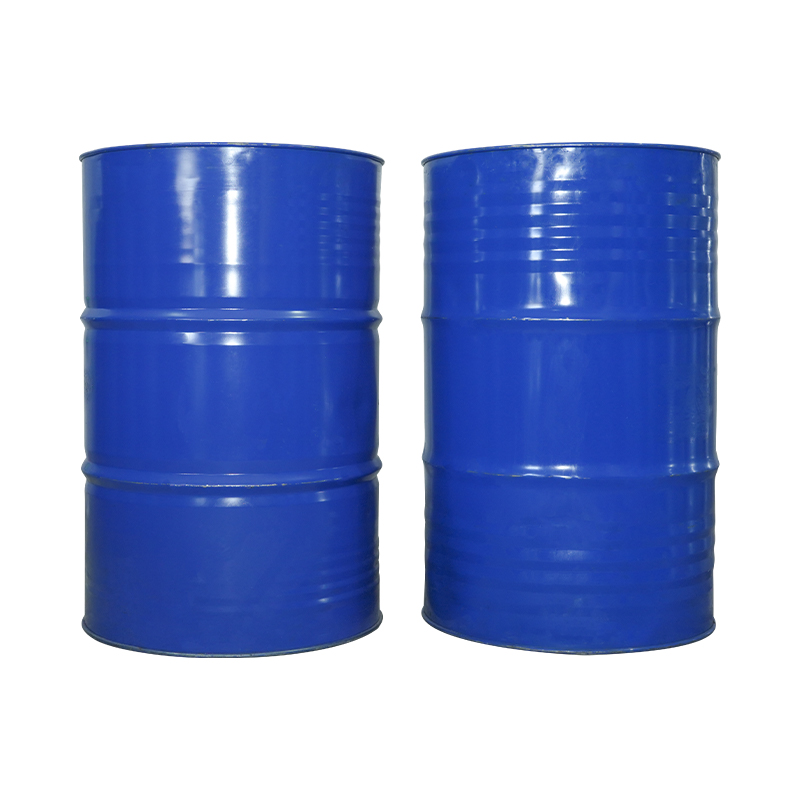 Alkyd Resins for Industrial Coatings
Alkyd resin is a commonly used base resin with high cost performance a...
-
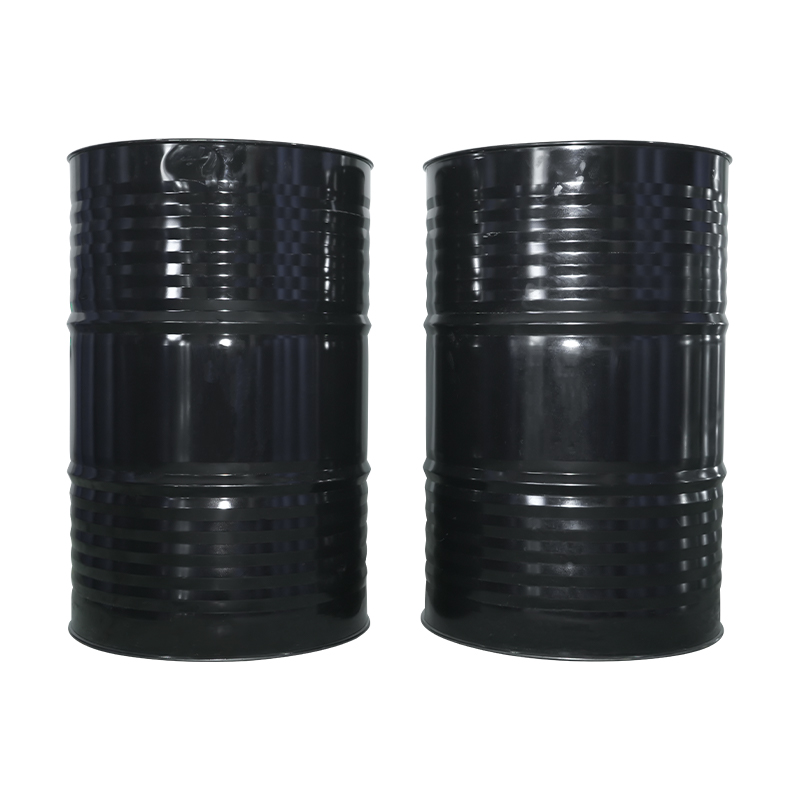 Self-drying Alkyd Resin
Self-drying alkyd resin is also one of the alkyd resins. This series o...
-
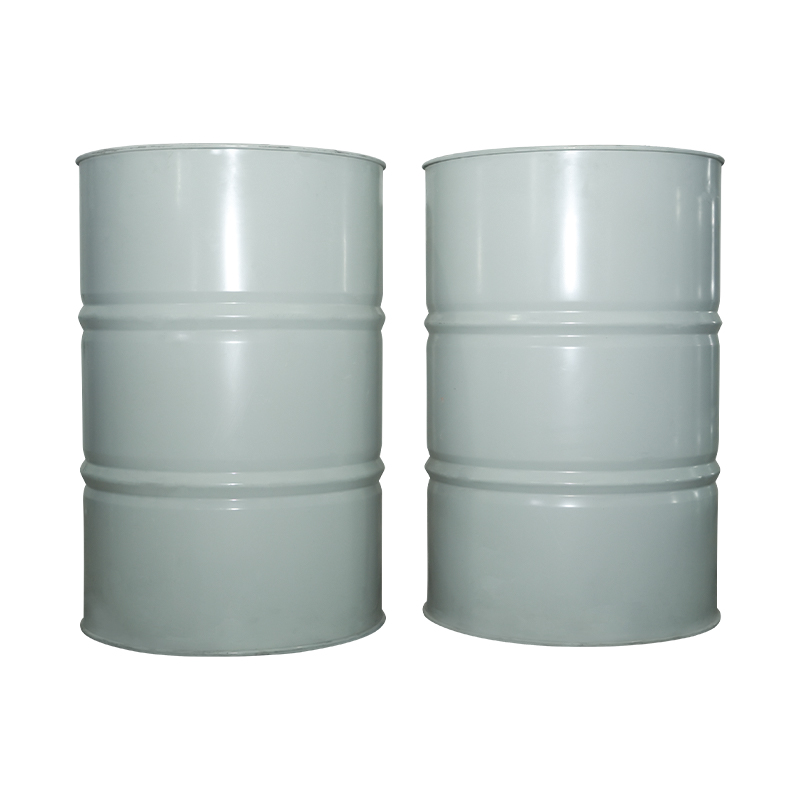 Solvent-based Hydroxy Acrylic Resin
It is one of the acrylic resins, but it is mainly used with isocyanate...
-
 Solvent-based Thermosetting Acrylic Resin
It is one of the acrylic resins. It is heated and cured with amino res...
-
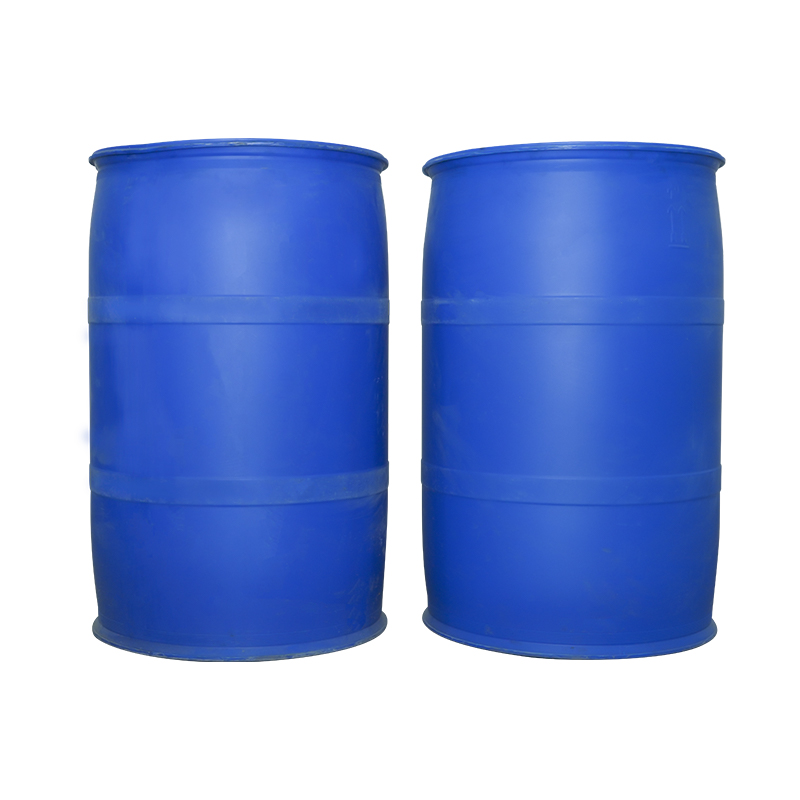 Solvent-based Thermoplastic Acrylic Resin
It is one of the acrylic resins. Its main features are single-componen...
-
 [email protected]
-
 No. 70, Linkage U Valley Industrial Park, Nanyue Road, Yixing City, Jiangsu Province, China.

 English
Saturated Polyester Resin in Furniture and Interior Design
Content
Saturated polyester resin has become a key material in furniture and interior design due to its versatility, durability, and ease of use. It offers designers and manufacturers a way to create products that are both aesthetically pleasing and functional.
Understanding Saturated Polyester Resin
Saturated polyester resin is a type of polymer created through the reaction of a diacid and a diol. Unlike unsaturated polyester resin, which is often used with fiberglass in structural applications, saturated polyester resin is typically linear in structure. This gives it excellent chemical resistance, stability, and low shrinkage during curing. These properties make it well suited for applications where durability and precision are essential.
The resin is generally clear or lightly tinted and can be easily colored with pigments to suit different design requirements. It also has good adhesion to a variety of substrates, including wood, metal, and certain plastics. Its ability to form a smooth, glossy surface makes it especially appealing in the furniture industry.
Key Properties for Furniture Applications
Several properties of saturated polyester resin make it ideal for furniture and interior design:
Durability: The cured resin forms a hard, resilient surface that can resist scratches, dents, and general wear and tear. This makes it suitable for tables, countertops, and cabinets that experience daily use.
Chemical Resistance: Saturated polyester resin is resistant to many chemicals, including household cleaning agents. This property ensures that furniture surfaces maintain their appearance and integrity over time.
Moisture Resistance: The resin does not absorb water easily, which helps protect wooden furniture from swelling or warping. It is especially useful for kitchens and bathrooms, where moisture exposure is common.
Aesthetic Flexibility: The resin can be tinted, pigmented, or even embedded with decorative materials such as wood chips or metallic flakes. This allows designers to achieve a wide range of visual effects without compromising the structural performance of the furniture.
Applications in Furniture
Saturated polyester resin is used in furniture design in several ways:
Coating and Finishing: It is often applied as a protective coating over wooden or MDF furniture. The resin creates a smooth, glossy finish that enhances the appearance of the wood while protecting it from damage.
Cast Components: Designers use the resin to create solid decorative components, such as drawer handles, table tops, or accent pieces. These elements can be molded into custom shapes, allowing for highly creative designs.
Laminated Surfaces: Saturated polyester resin is commonly used in combination with veneers or decorative laminates. The resin binds the layers together while providing a hard, smooth surface suitable for everyday use.
Furniture Inlays: Resin can be poured into grooves, recesses, or patterns in furniture pieces to create striking inlays. The ability to add color, metallic flakes, or other materials makes this approach popular in modern and contemporary furniture designs.
Applications in Interior Design
Beyond furniture, saturated polyester resin is valuable in interior design projects:
Wall Panels and Decorative Surfaces: The resin can be applied to create durable, visually appealing wall panels. These panels can mimic natural stone, wood, or other textures while remaining lightweight and easier to maintain.
Countertops and Tabletops: Resin surfaces are increasingly used for kitchen islands, bathroom vanities, and café tables. They provide a smooth, durable surface that resists stains, moisture, and heat to some extent.
Lighting Fixtures and Decorative Elements: Saturated polyester resin can be molded into intricate shapes for light diffusers, pendant lights, or decorative sculptures. Its clarity and ability to hold pigments allow designers to create unique lighting effects.
Working with Saturated Polyester Resin
Using saturated polyester resin requires careful preparation and handling:
Surface Preparation: Substrates should be clean, dry, and free of dust or oils. Proper sanding can improve adhesion for coatings.
Mixing and Curing: The resin is typically mixed with a curing agent. Accurate measurement and thorough mixing are critical to achieve uniform curing and avoid bubbles or weak spots.
Application Techniques: Coatings can be applied with brushes, rollers, or spray systems. For casting, molds must be clean and treated with release agents to prevent sticking.
Safety Considerations: Although saturated polyester resin is less reactive than unsaturated types, it is important to work in a well-ventilated area and use protective gloves and eye protection to avoid skin or eye irritation.
Design Considerations
When incorporating saturated polyester resin into furniture or interiors, designers should consider the following:
Color and Transparency: The resin can be clear or colored. Transparent applications allow embedding materials, while opaque finishes can mimic solid surfaces like stone or ceramic.
Surface Texture: Polishing can achieve a high gloss, while matte finishes can be created with appropriate additives or surface treatments.
Durability Requirements: Resin coatings are hard, but very heavy impact or prolonged exposure to sunlight may cause yellowing or minor surface degradation over time. Appropriate additives or UV-resistant layers can mitigate these effects.
Maintenance: Surfaces coated with saturated polyester resin are easy to clean with mild detergents. Harsh chemicals or abrasive cleaners should be avoided to preserve the finish.
Advantages of Using Saturated Polyester Resin in Interiors
The use of saturated polyester resin in furniture and interior design offers several advantages:
Customizability: Designers can achieve unique shapes, colors, and effects that would be difficult with traditional materials.
Durability: The resin extends the lifespan of furniture and decorative elements by protecting them from wear, moisture, and chemicals.
Ease of Maintenance: Surfaces are easy to clean and maintain, which is particularly important for busy households or commercial spaces.
Aesthetic Appeal: The resin provides a glossy, polished look that enhances the visual quality of furniture and interior features.
Conclusion
Saturated polyester resin has established itself as a reliable and versatile material in furniture and interior design. Its durability, chemical resistance, and aesthetic flexibility make it suitable for a wide range of applications, from coatings and laminates to cast decorative elements and wall panels. By understanding its properties and best practices for use, designers and manufacturers can create furniture and interiors that are both beautiful and long-lasting.
With careful selection and application, saturated polyester resin can transform ordinary furniture and interior surfaces into durable, attractive, and functional design elements that meet the demands of modern living spaces.
PREV:Can Anti-Settling Wax Slurry Be Used in Adhesives or Sealants?NEXT:How Drying Agents Affect Paint Drying Time and Film Quality
Interested in cooperation or have questions?


As Coatings Resins Manufacturers, Paint Resins Suppliers in China, Haisong adhering to the concept of "continuous innovation, professional service", I hope to work together with you, a common development!
Quick Link
Products
Contact Us
-
 +86-0510-87937687
-
 +86-0510-87072901
-
 [email protected]
-
 No. 70, Linkage U Valley Industrial Park, Nanyue Road, Yixing City, Jiangsu Province, China.
© 2024 Jiangsu Haisong New Material Technology Co.,Ltd. Foreign trade operated by Wuxi Haituo New Material Technology Co., Ltd. (wholly-owned subsidiary).

