Direct Answer: What Makes Solvent-Based Hydroxy Acrylic Resin Important
Solvent-based hydroxy acrylic resin is a high-performance coating binder designed to deliver excellent weather resistance, chemical durability, gloss retention, and strong crosslinking capability with isocyanates or melamine curing agents. It is widely used in industrial coatings, automotive refinishing, metal protection, and high-end finishes where mechanical strength and long-term outdoor stability are required.
Compared with many alternative binders, this resin type provides a balanced combination of flexibility and hardness. Typical coatings formulated with hydroxy acrylic resin can achieve gloss retention above 85% after 1,000 hours of accelerated weathering and exhibit strong adhesion to metals, plastics, and composite substrates.
Core Chemical Structure and Functional Characteristics
Hydroxy acrylic resin is synthesized through solution polymerization of acrylic monomers containing hydroxyl functional groups. These hydroxyl groups allow chemical crosslinking reactions that significantly improve coating performance.
Key Functional Elements
- Hydroxyl groups enable reaction with polyisocyanates or amino resins.
- Acrylic backbone provides UV resistance and color stability.
- Solvent medium ensures excellent film leveling and substrate wetting.
- Adjustable molecular weight controls viscosity and hardness.
Because of this structure, coatings can achieve both chemical resistance and mechanical durability, which is difficult for non-reactive thermoplastic acrylic systems.
Typical Performance Properties
Performance varies depending on hydroxyl value, solid content, and curing system, but industry formulations typically fall within the following ranges.
| Property |
Typical Range |
Practical Benefit |
| Hydroxyl Value |
60–180 mgKOH/g |
Controls crosslink density |
| Solid Content |
50–75% |
Higher film build efficiency |
| Gloss (60°) |
85–95% |
Premium appearance |
| Outdoor Durability |
5–10 years+ |
Long service life |
| Chemical Resistance |
High |
Industrial protection |
Typical performance ranges of solvent-based hydroxy acrylic resin coatings
Main Industrial Applications
The resin’s crosslinking capability and environmental resistance make it suitable for demanding coating systems.
- Automotive refinish coatings: provides high gloss and scratch resistance.
- Industrial metal coatings: protects machinery, pipelines, and equipment.
- Construction finishes: aluminum panels and steel structures requiring UV stability.
- Wood coatings: delivers clarity and chemical resistance for furniture.
In automotive systems, two-component polyurethane coatings using hydroxy acrylic resin commonly achieve pencil hardness ratings of H–2H while maintaining flexibility for impact resistance.
Formulation Guidelines for Coating Engineers
Selecting Hydroxyl Value
Higher hydroxyl values increase crosslink density and hardness but may reduce flexibility. For outdoor metal coatings, values between 90–130 mgKOH/g often provide optimal balance.
Curing Agent Compatibility
- Aliphatic polyisocyanates for UV-stable topcoats.
- Melamine resins for baking enamels.
- Blocked isocyanates for one-component heat-cure systems.
Solvent Selection
Aromatic and ester solvents are commonly blended to control evaporation rate. Balanced solvent blends help avoid defects such as orange peel or pinholes during spray application.
Solvent-Based vs Waterborne Hydroxy Acrylic Resin
While waterborne technologies are growing, solvent-based systems remain dominant in heavy-duty applications due to performance advantages.
| Feature |
Solvent-Based |
Waterborne |
| Film Formation |
Excellent leveling |
Humidity sensitive |
| Durability |
Very high |
Moderate to high |
| Application Tolerance |
Wide temperature range |
More sensitive |
| VOC Compliance |
Lower |
Higher |
Practical comparison between solvent-based and waterborne hydroxy acrylic systems
Common Application Challenges and Solutions
- Poor leveling: adjust solvent evaporation rate or reduce viscosity.
- Slow curing: verify hydroxyl-to-isocyanate ratio (typically 1:1 equivalent ratio).
- Yellowing: switch to aliphatic isocyanate curing agents.
- Cracking: reduce crosslink density or introduce flexibilizers.
Field data shows optimized formulations can reduce coating defects by more than 30% during large-scale spray operations.
Storage, Handling, and Stability Considerations
Proper storage ensures consistent performance during formulation and application.
- Store between 5°C and 35°C in sealed containers.
- Avoid moisture contamination before mixing with curing agents.
- Typical shelf life ranges from 12–24 months.
Moisture exposure can prematurely react with isocyanates during formulation, reducing final film performance.
Key Takeaway
Solvent-based hydroxy acrylic resin remains a cornerstone material for high-performance coatings because it combines superior weather resistance, strong chemical durability, and flexible formulation compatibility. When properly matched with curing agents and solvents, it enables coatings that maintain appearance and protection for many years even under harsh industrial or outdoor conditions.


 English
 русский
 Español
 عربى
عربى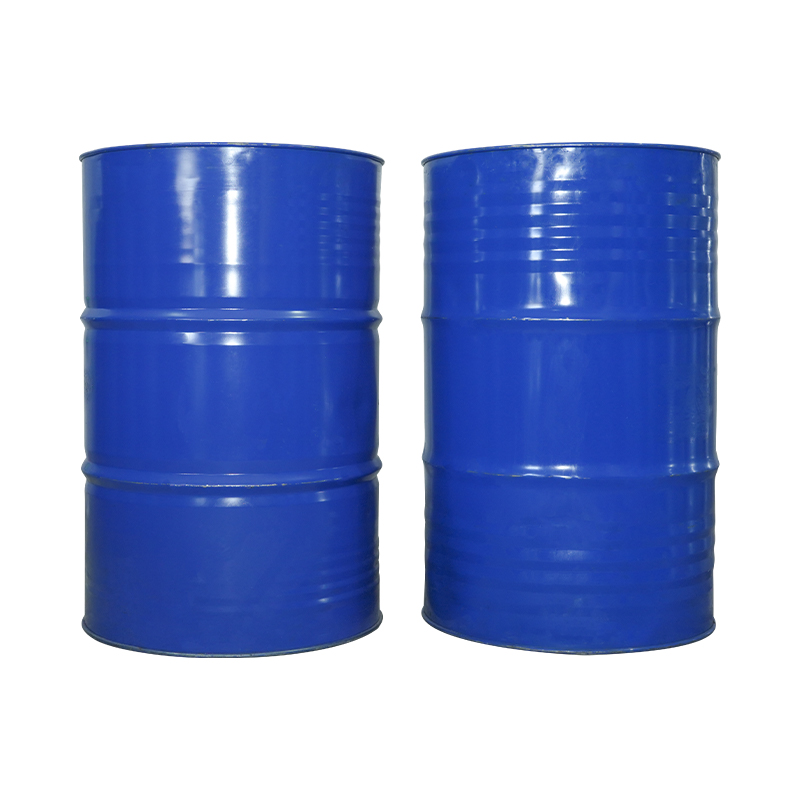 Alkyd Resins for Industrial Coatings
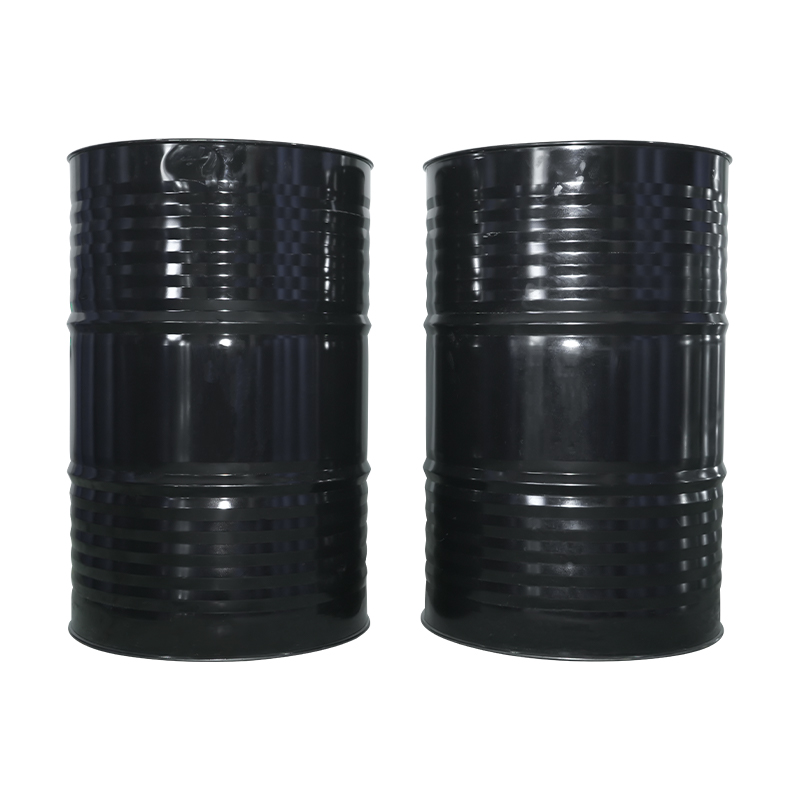 Self-drying Alkyd Resin
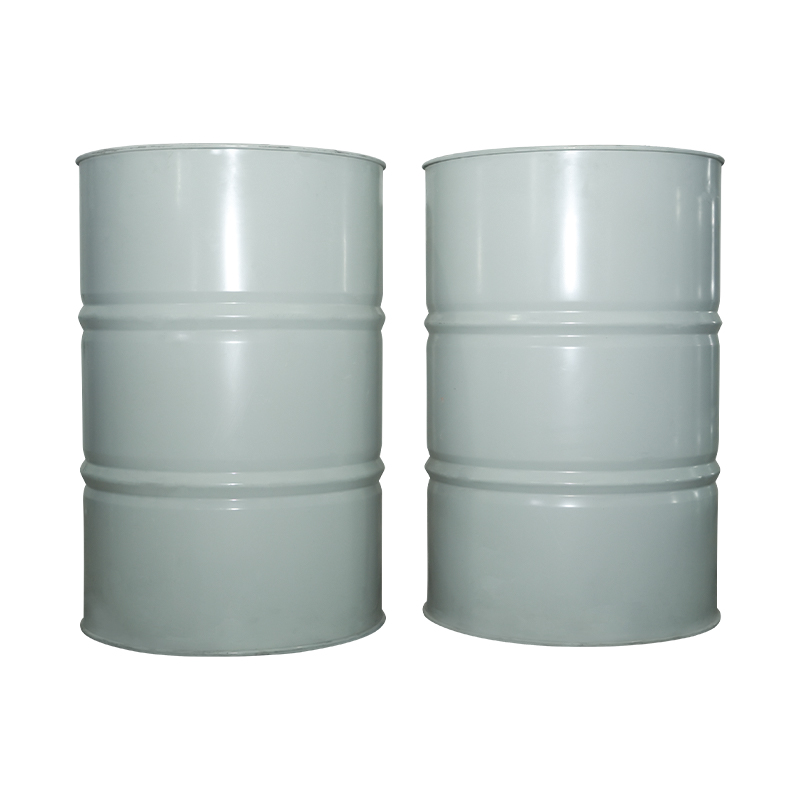 Solvent-based Hydroxy Acrylic Resin
 Solvent-based Thermosetting Acrylic Resin
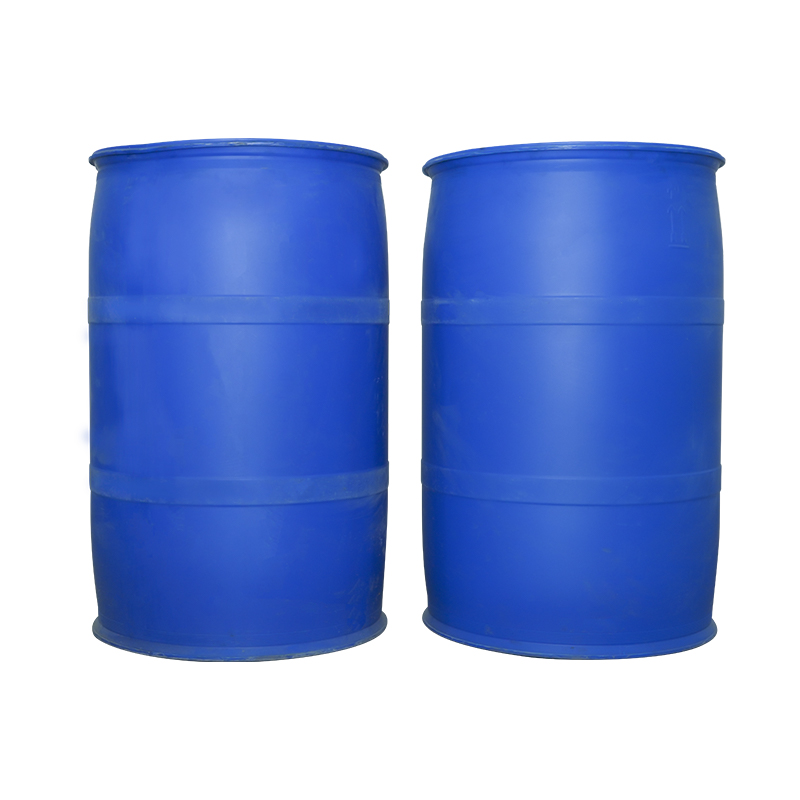 Solvent-based Thermoplastic Acrylic Resin
 [email protected]
 No. 70, Linkage U Valley Industrial Park, Nanyue Road, Yixing City, Jiangsu Province, China.

 English


 +86-0510-87937687
 +86-0510-87072901
 [email protected]
 No. 70, Linkage U Valley Industrial Park, Nanyue Road, Yixing City, Jiangsu Province, China.

