Most paint failures — peeling, cracking, fading — trace back to one root cause: the wrong binder for the job, or additives that were never part of the formulation to begin with. Understanding how these two components work, and how to match them to your application, is what separates a coating that lasts a decade from one that starts failing in the first winter.
What Paint Binders (Resins) Actually Do
A paint binder — also called a resin — is the polymer that forms the solid film once paint dries. It holds pigment particles in place, bonds the coating to the substrate, and determines nearly every performance characteristic: hardness, flexibility, chemical resistance, and weatherability.
The global paint binders market is valued at roughly USD 38 billion in 2025 and is on track to reach USD 47 billion by 2030 (CAGR ~4.4%). That scale reflects just how foundational this ingredient is — without the right binder, nothing else in the formulation matters.
There are four major resin types used across industrial and architectural coatings:
- Acrylic resins — the dominant choice for water-based paints. Excellent UV resistance and flexibility make them the standard for exterior architectural coatings. Acrylic polymers hold approximately 40% of the paint binder market by type.
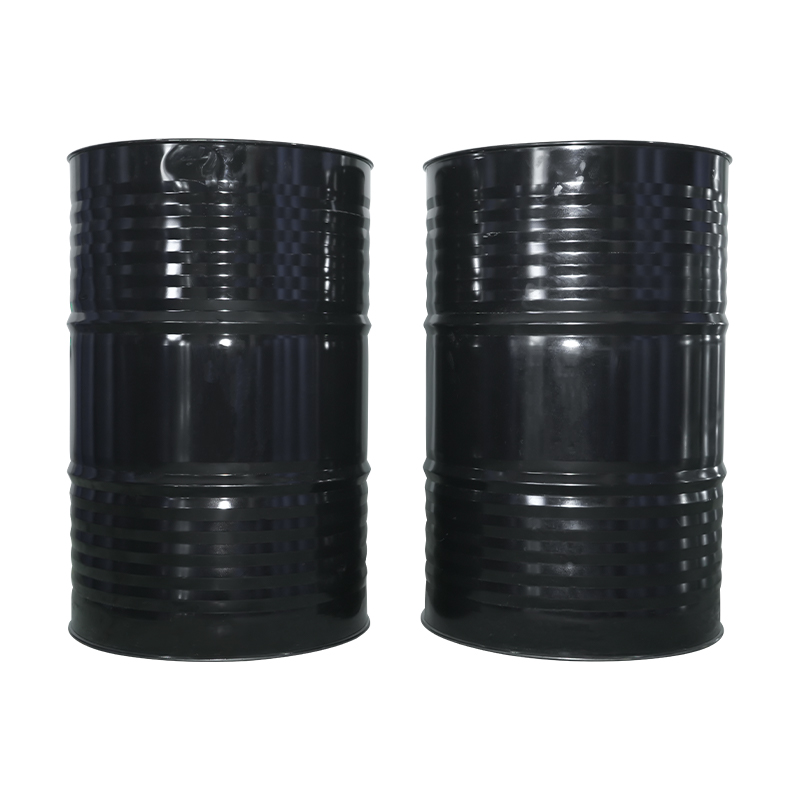
- Alkyd resins — oil-modified polyesters with outstanding gloss retention, adhesion, and hardness. Long-oil alkyds dry slowly but stay flexible; short-oil alkyds cure fast and form hard films. Preferred for wood and metal in solventborne systems. Haisong's self-drying alkyd resin line is a core product in this category, used widely in industrial and decorative applications.
- Epoxy resins — the go-to for aggressive environments. Superior adhesion and chemical resistance make them standard for marine, infrastructure, and industrial primers. Fastest-growing sub-segment as of 2025, driven by bridge, pipeline, and rolling-stock maintenance demand.
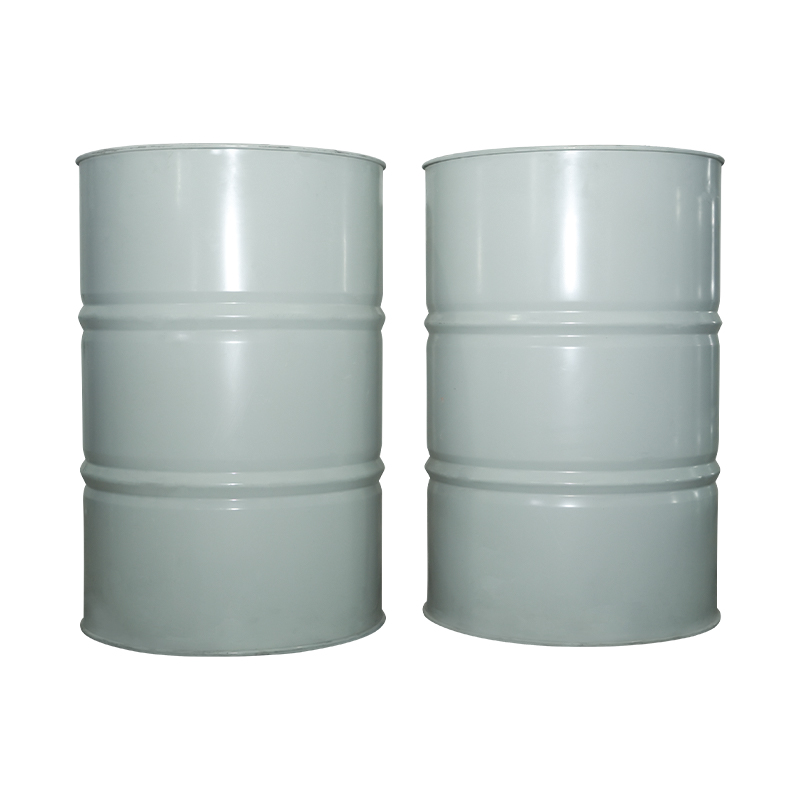
- Polyurethane (hydroxy acrylic) resins — two-component systems offering exceptional abrasion resistance and surface hardness. Common on floors, furniture, and automotive topcoats. solvent-based hydroxy acrylic resin products for two-component topcoat systems are formulated for reaction with isocyanate crosslinkers, where adhesion between layers is critical.
Resin selection is driven by three practical questions: Where is the coating going (outdoor UV exposure vs. chemical splash)? What substrate (wood, metal, concrete)? And what regulatory limits apply on VOCs?
How to Choose the Right Binder for Your Application
Binder selection guide by substrate and environment
| Application |
Recommended Binder |
Key Reason |
| Exterior architectural walls |
Acrylic (waterborne) |
UV stability, flexibility through thermal cycling |
| Metal structures / infrastructure |
Epoxy (primer) + PU (topcoat) |
Corrosion barrier + abrasion resistance |
| Wood furniture / cabinetry |
Alkyd or hydroxy acrylic + crosslinker |
Gloss retention, hardness, adhesion to porous surfaces |
| Industrial floors |
Epoxy or polyurethane |
Chemical and wear resistance under heavy load |
| High-temperature coatings |
Silicone-modified or saturated polyester resin |
Thermal stability; saturated polyester resin options for high-heat environments retain film integrity where standard resins soften |
Paint Additives: Small Quantities, Large Impact
Additives typically make up less than 5% of a paint formulation by weight. Their influence on the final product is disproportionately large. A binder without the right additives often fails not because the resin is wrong, but because application, drying, or stability issues were never addressed.
The main functional categories of paint additives:
- Defoaming agents — suppress and break foam generated during high-speed mixing and spray application. Uncontrolled foam leads to pinholes and uneven film thickness. defoaming agents for waterborne and solventborne coating systems address both foam suppression and foam breaking as distinct problems.
- Leveling agents — reduce surface tension so the wet film flows out uniformly before it cures. This eliminates brush marks, orange-peel texture, and cratering. These surface-active additives typically constitute just 0.1–2% of the formulation, yet their impact on surface quality is significant. Silicone-based leveling agents are common; they migrate to the surface during drying, smoothing the film from the top down.
- Dispersants / wetting agents — stabilize pigment particles in the base material and prevent reagglomeration. Without proper dispersion, pigments flocculate, causing color variation and reduced opacity. Haisong's wetting and dispersing additives are engineered with both hydrophilic and lipophilic properties to maximize pigment compatibility.
- Drying agents (driers) — catalysts that accelerate oxidative crosslinking in alkyd and oil-based binders. The choice between cobalt (primary), zirconium, manganese, and calcium (auxiliary) driers controls the balance between surface-dry speed and through-cure depth. This balance directly determines gloss, hardness, and resistance to wrinkling or blistering. For white and pastel paints, cobalt is avoided as it can impart a blue tint; zirconium and manganese are the preferred alternatives.
- Coating catalysts — used in thermosetting systems to reduce curing temperature and shorten reaction time. Haisong produces acid catalysts for crosslinking and curing, enabling lower-energy bake cycles in industrial coil and can coating applications.
- Functional accelerators — auxiliary additives that target specific performance gaps: adhesion to difficult substrates, chemical resistance, or salt spray resistance. These are not part of the base formulation but are dialed in for high-demand applications like marine or automotive coatings.
Waterborne Formulations: The Dominant Direction
Waterborne emulsion paints now account for nearly two-thirds of new architectural coating formulations as of 2025, driven by stricter VOC regulations and end-user preference for low-odor products. The water-based paint binders segment alone is valued at approximately USD 8 billion in 2025, growing at 6% CAGR through 2033.
Switching to waterborne systems changes additive requirements significantly. Defoamers must be water-compatible, dispersants must work in high-polarity environments, and drying agents for waterborne alkyds need different metallic coordination chemistry than solventborne systems. Formulators who port a solventborne formulation to water without adjusting the additive package typically encounter foaming, poor leveling, or slow dry — problems that are fixable at the additive level without changing the base resin.
Common Paint Failures and Their Root Causes
Most coating defects have a clear formulation explanation:
- Peeling / poor adhesion — wrong binder for the substrate, or insufficient wetting agent to penetrate the surface. Epoxy or polyurethane binders significantly outperform acrylics on steel without proper primer chemistry.
- Cracking — overly rigid binder (low oil content alkyd or high-crosslink-density epoxy) on a flexible substrate, or too-rapid through-cure driven by excess primary drier.
- Blistering — moisture trapped under film due to application at high humidity, or solvent trapped when surface-dry outpaces through-dry (a drier imbalance issue).
- Color fading — inadequate UV resistance in the binder (non-acrylic systems outdoors) or photoinitiator degradation in UV-cured coatings without proper light stabilizers.
- Orange peel / poor flow — insufficient leveling agent, or application viscosity too high for the spray equipment being used.
Diagnosing these failures at the chemistry level — rather than blaming application — is what professional formulators and procurement teams should be doing when qualifying new binder or additive suppliers.


 English
 русский
 Español
 عربى
عربى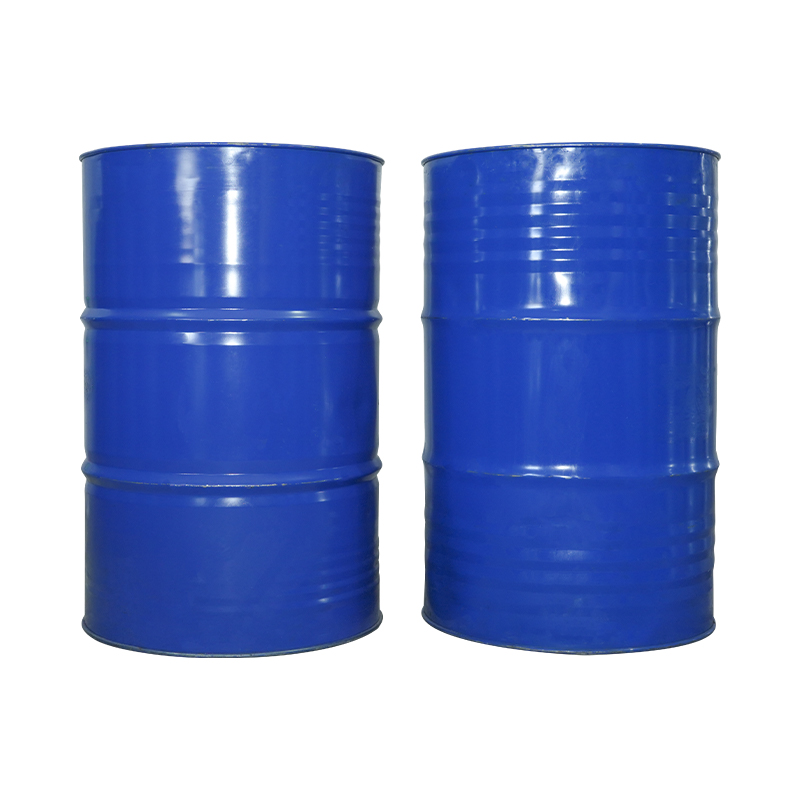 Alkyd Resins for Industrial Coatings
 Self-drying Alkyd Resin
 Solvent-based Hydroxy Acrylic Resin
 Solvent-based Thermosetting Acrylic Resin
 Solvent-based Thermoplastic Acrylic Resin
 [email protected]
 No. 70, Linkage U Valley Industrial Park, Nanyue Road, Yixing City, Jiangsu Province, China.

 English


 +86-0510-87937687
 +86-0510-87072901
 [email protected]
 No. 70, Linkage U Valley Industrial Park, Nanyue Road, Yixing City, Jiangsu Province, China.

