Optimizing the performance of self-drying alkyd resin in industrial coatings requires a precise balance between oil modification, catalytic oxidation systems, and controlled solvent evaporation. Implementing targeted adjustments to resin architecture and drying agents consistently increases final film hardness by fifteen to twenty percent while reducing surface dry time to under forty minutes. This systematic approach ensures reliable corrosion protection and mechanical durability across demanding manufacturing environments.
Raw Material Selection and Molecular Architecture
The foundational properties of any alkyd system depend on the careful selection of fatty acids and polyhydric alcohols. Modifying oil length directly influences crosslink density and oxidative curing rates. Industrial formulations typically achieve optimal results by targeting medium oil lengths between forty five and fifty five percent. This specific range balances viscosity control with rapid atmospheric oxygen absorption.
Fatty Acid Chain Optimization
Soybean and safflower derivatives provide high polyunsaturated content, which directly accelerates the autoxidation process. Replacing saturated oils with linseed or tall oil variants can improve drying kinetics by approximately twenty percent. The iodine value of the selected oil should remain above one hundred thirty to guarantee sufficient double bonds for network formation.
Polyol and Acid Ratio Control
Pentaerythritol offers four reactive hydroxyl groups, creating a highly branched molecular structure. Maintaining a hydroxyl number between seventy and ninety during polycondensation prevents premature gelation while maximizing final hardness. Adjusting the stoichiometric ratio between phthalic anhydride and polyol ensures consistent acid values below ten milligrams of potassium hydroxide per gram.
- Select oils with iodine values above one hundred thirty for rapid oxidation
- Target acid values under ten to prevent residual reactivity
- Maintain forty five to fifty five percent oil length for balanced flow and hardness
Catalyst Integration and Oxidation Control
Self drying resins rely on atmospheric oxygen to form crosslinks, but the reaction rate is too slow for industrial throughput without metallic driers. Proper catalyst selection and dosing determine both surface tack elimination and through curing depth. A synergistic blend of primary and secondary driers eliminates common defects such as wrinkling and uneven hardness.
Primary Surface Driers
Cobalt carboxylates serve as the most effective oxidation initiators. Loading levels between zero point zero four and zero point zero six percent of total metal solids typically achieve a touch dry state within thirty five to forty five minutes at room temperature. Exceeding this threshold causes rapid surface skinning that traps solvents and creates internal blistering.
Secondary Through Driers
Zirconium and calcium complexes drive polymerization deeper into the film. Zirconium provides uniform crosslinking that improves hardness gradients, while calcium prevents resin coagulation and extends shelf life. Combining these secondary metals at a one to two ratio relative to cobalt ensures complete curing without surface defects.
- Measure cobalt content strictly at zero point zero four to zero point zero six percent
- Blend zirconium and calcium at a one to two weight ratio for uniform depth curing
- Test film hardness gradient after forty eight hours to verify through cure
Solvent System and Rheology Management
Solvent selection dictates film formation dynamics, leveling behavior, and volatile organic compound emissions. Matching evaporation rates to substrate temperature and ambient humidity prevents common application defects such as orange peel and cratering. Industrial systems perform best when utilizing blended aliphatic and aromatic hydrocarbon solvents with carefully calibrated boiling ranges.
| Solvent Type |
Boiling Range |
Evaporation Rate |
Primary Application Benefit |
| Fast Aliphatic |
90 to 120 C |
High |
Reduces initial sagging |
| Medium Aromatic |
140 to 165 C |
Moderate |
Improves substrate wetting |
| Slow High Boiling |
180 to 200 C |
Low |
Extends open time by ten minutes |
Solvent Evaporation Rates and Film Formation Characteristics
Application Environment and Curing Parameters
The oxidative curing process remains highly sensitive to temperature and atmospheric moisture levels. Uncontrolled environmental variables directly cause delayed tack, blooming, or inadequate adhesion. Maintaining strict application parameters ensures the theoretical crosslink density matches actual field performance.
Temperature and Humidity Control
Optimal curing occurs at ambient temperatures between eighteen and twenty five degrees Celsius. Relative humidity must stay below sixty five percent to prevent water condensation on the forming film. Operating outside these boundaries extends drying time by fifty percent or causes permanent gloss reduction. Controlling ambient humidity directly prevents moisture entrapment and ensures consistent crosslink density.
Wet Film Thickness Management
Applying layers exceeding seventy five microns restricts oxygen diffusion to the lower regions of the coating. Industrial guidelines recommend maintaining wet film thickness between fifty and sixty five microns per pass. This specific range allows sufficient oxygen penetration while maximizing build without compromising structural integrity. Multiple thin applications outperform single heavy coats in both hardness development and long term durability.


 English
 русский
 Español
 عربى
عربى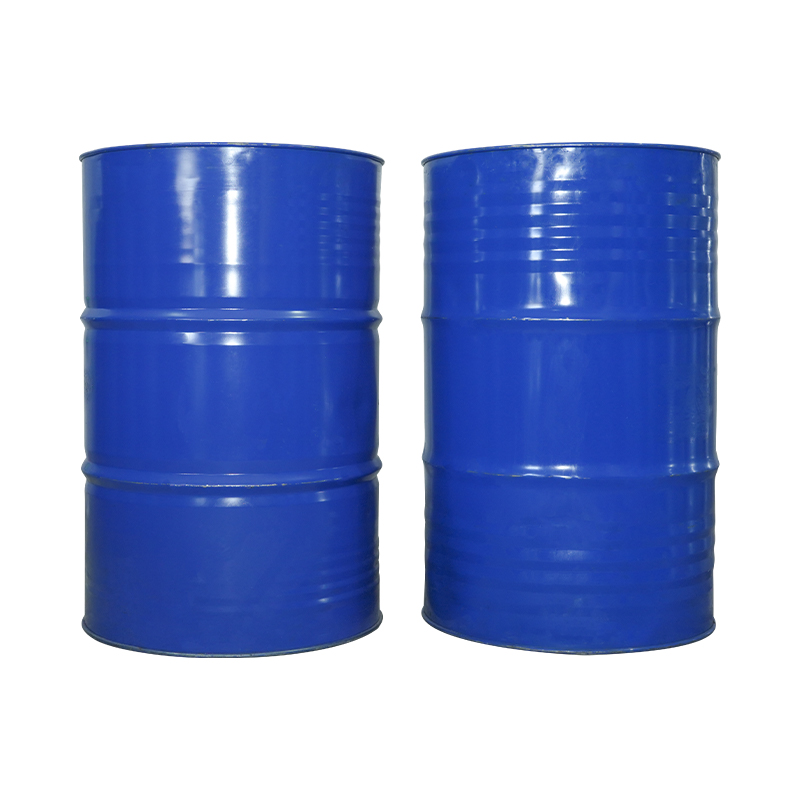 Alkyd Resins for Industrial Coatings
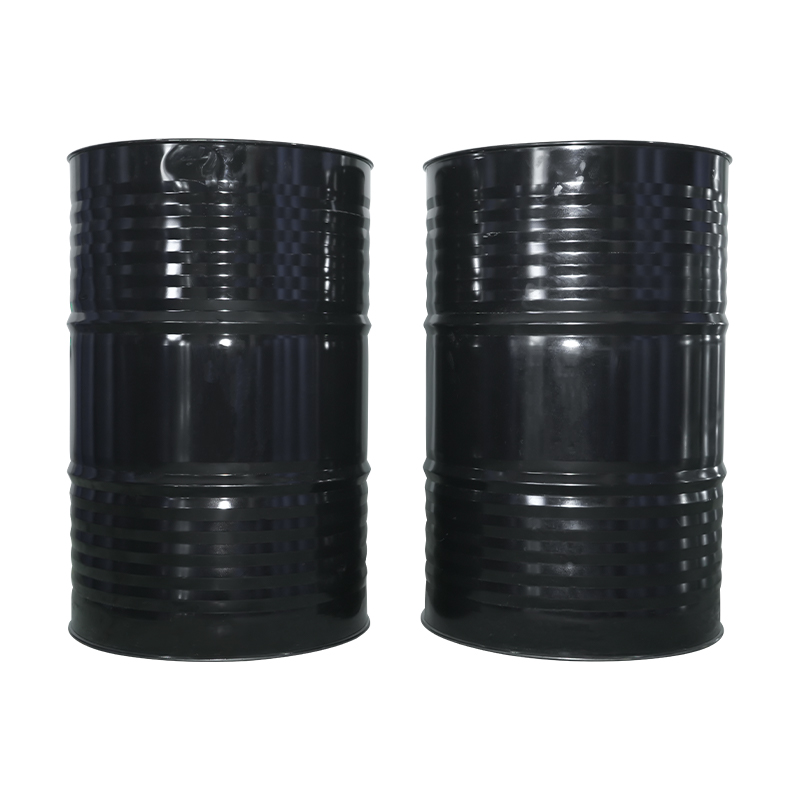 Self-drying Alkyd Resin
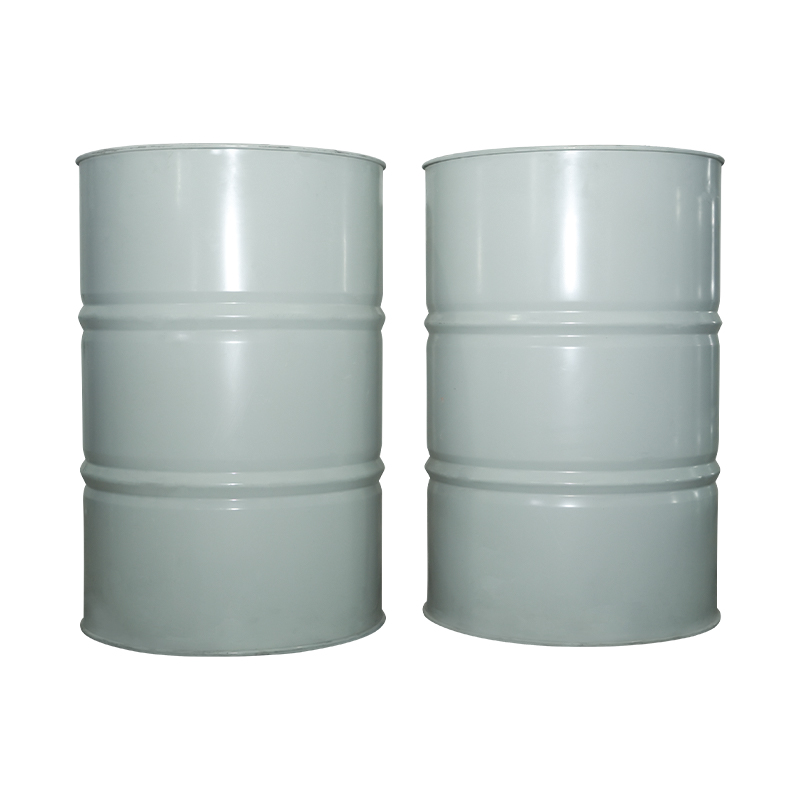 Solvent-based Hydroxy Acrylic Resin
 Solvent-based Thermosetting Acrylic Resin
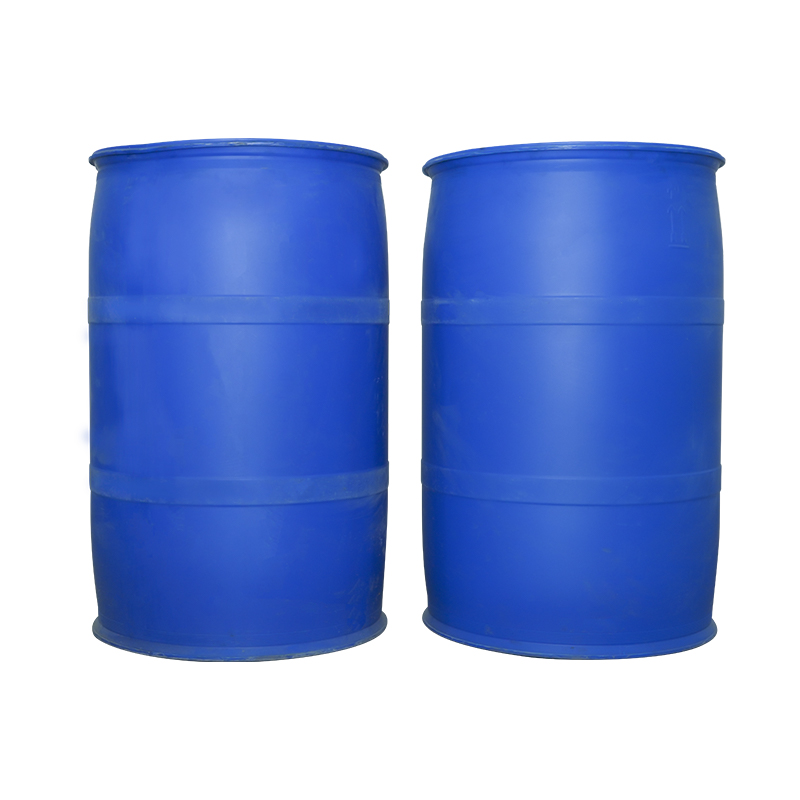 Solvent-based Thermoplastic Acrylic Resin
 [email protected]
 No. 70, Linkage U Valley Industrial Park, Nanyue Road, Yixing City, Jiangsu Province, China.

 English


 +86-0510-87937687
 +86-0510-87072901
 [email protected]
 No. 70, Linkage U Valley Industrial Park, Nanyue Road, Yixing City, Jiangsu Province, China.

