

 English
 русский
 Español
 عربى
عربى-
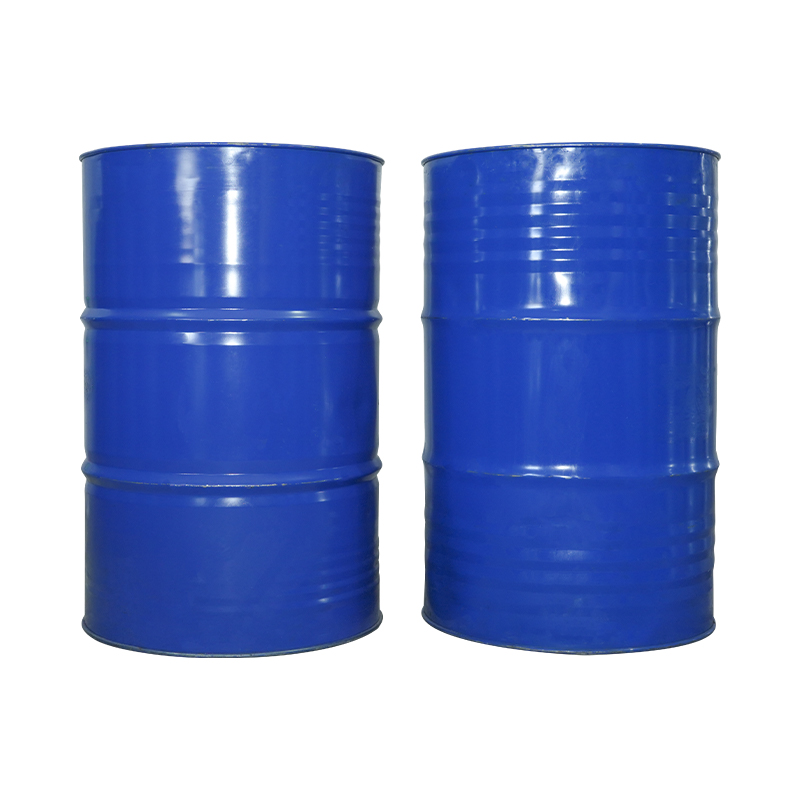 Alkyd Resins for Industrial Coatings
Alkyd resin is a commonly used base resin with high cost performance a...
-
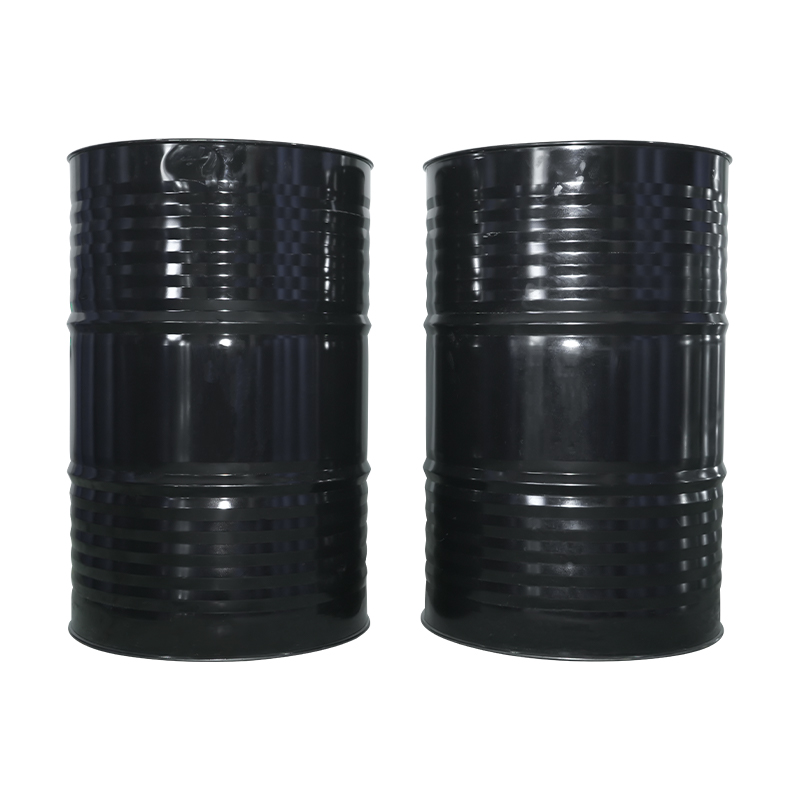 Self-drying Alkyd Resin
Self-drying alkyd resin is also one of the alkyd resins. This series o...
-
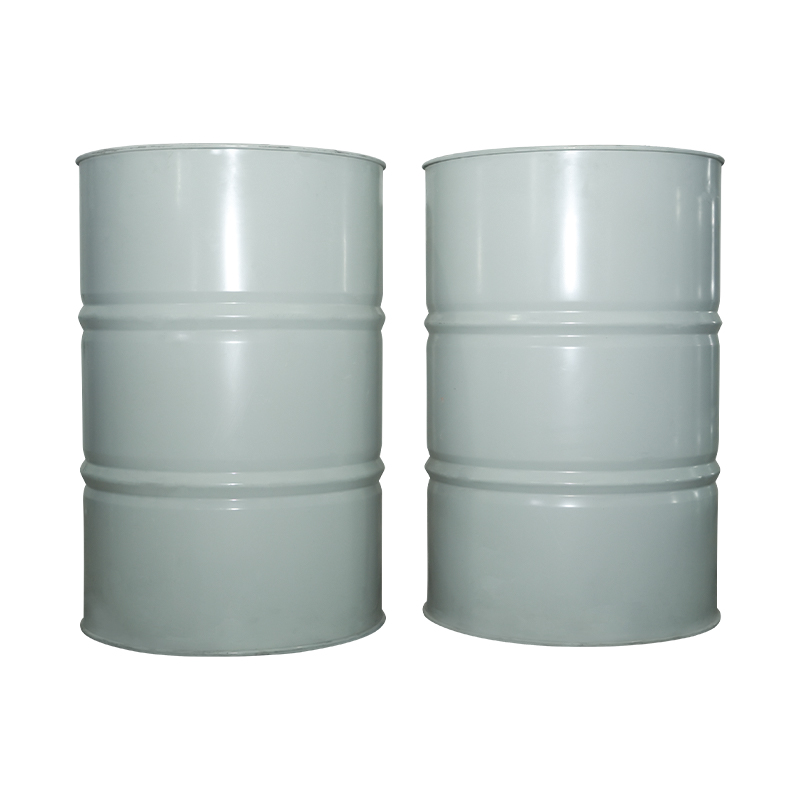 Solvent-based Hydroxy Acrylic Resin
It is one of the acrylic resins, but it is mainly used with isocyanate...
-
 Solvent-based Thermosetting Acrylic Resin
It is one of the acrylic resins. It is heated and cured with amino res...
-
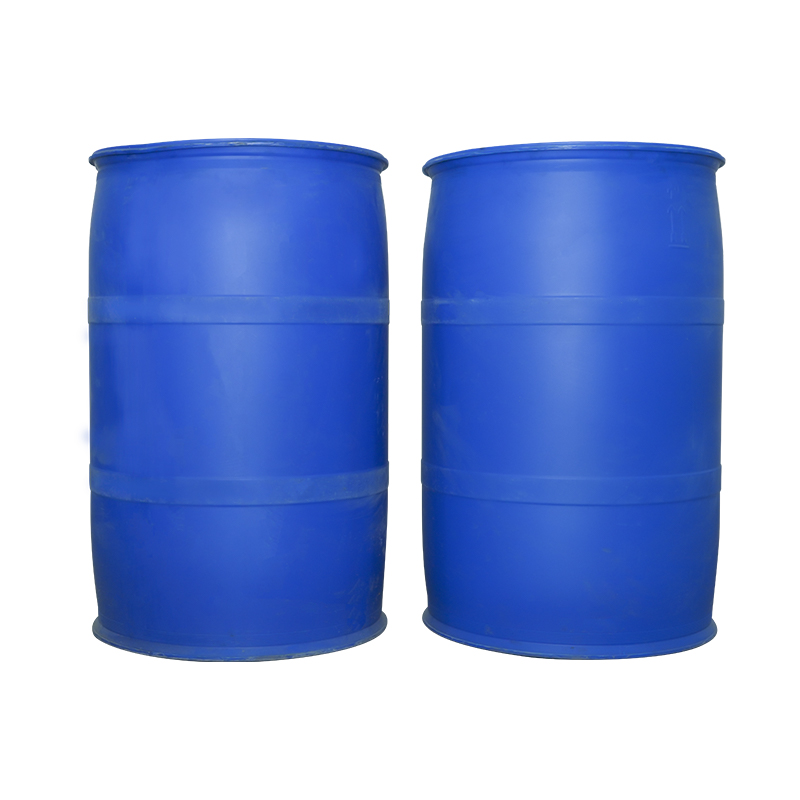 Solvent-based Thermoplastic Acrylic Resin
It is one of the acrylic resins. Its main features are single-componen...
-
 [email protected]
-
 No. 70, Linkage U Valley Industrial Park, Nanyue Road, Yixing City, Jiangsu Province, China.

 English
How Does Temperature Affect the Performance of Solvent-based Thermoplastic Acrylic Resin?
Content
- 1 Understanding Solvent-based Thermoplastic Acrylic Resin
- 2 Temperature and Its Effects on Resin Viscosity
- 3 Solvent Evaporation and Film Formation
- 4 Thermal Expansion and Mechanical Properties
- 5 Thermal Stability and Degradation
- 6 Temperature Effects on Adhesion and Substrate Compatibility
- 7 Environmental Considerations and Practical Tips
- 8 Case Studies and Industry Observations
- 9 Conclusion
Solvent-based thermoplastic acrylic resin is widely used in coatings, adhesives, and surface finishing applications due to their durability, flexibility, and resistance to environmental factors. While these resins are valued for their reliable performance, temperature plays a critical role in determining their behavior during storage, application, and in-service use.
Understanding Solvent-based Thermoplastic Acrylic Resin
Before discussing temperature effects, it is important to briefly understand what solvent-based thermoplastic acrylic resins are. These resins are polymers composed primarily of acrylic monomers dissolved in organic solvents. Unlike thermosetting resins, they do not undergo chemical crosslinking; instead, they solidify as the solvent evaporates. This property allows for high flexibility, smooth finishes, and easy reworkability, which is particularly advantageous in coatings, inks, and adhesive formulations.
Solvent-based acrylic resins are typically chosen for their:
- High gloss and clarity
- Good adhesion to a variety of substrates
- UV resistance
- Chemical resistance
- Ease of application
However, their performance is highly sensitive to environmental conditions, particularly temperature.
Temperature and Its Effects on Resin Viscosity
One of the most immediate and observable effects of temperature on solvent-based thermoplastic acrylic resin is on viscosity. Viscosity refers to the flow resistance of the resin and directly affects application, leveling, and film formation.
- Low Temperatures: At lower temperatures, the resin becomes more viscous. This can make it harder to apply evenly, reduce leveling, and lead to brush marks or poor spray atomization. Cold storage can also increase the risk of crystallization or phase separation in some formulations.
- High Temperatures: Higher temperatures reduce viscosity, improving flow and leveling. However, overly thin resin may lead to runs, sags, or excessive penetration into the substrate. High temperatures can also accelerate solvent evaporation, which may result in skinning (formation of a dry layer on the surface) or premature drying before proper application.
Optimizing application conditions often requires maintaining the resin at a controlled temperature range recommended by the manufacturer, typically between 20–30°C (68–86°F).
Solvent Evaporation and Film Formation
Temperature has a significant impact on solvent evaporation, which is critical in film formation:
- Low Temperatures: Reduced temperatures slow down solvent evaporation, extending drying times. While this can improve leveling, it may also increase susceptibility to dust contamination or defects such as wrinkling.
- High Temperatures: Elevated temperatures accelerate solvent evaporation, which can lead to incomplete coalescence of the acrylic polymer particles. Rapid drying may result in pinholes, cracking, or a brittle film. In addition, fast evaporation can trap residual solvent within the film, leading to long-term defects or reduced adhesion.
Understanding the balance between temperature and evaporation rate is essential for achieving a uniform, defect-free finish.
Thermal Expansion and Mechanical Properties
Solvent-based thermoplastic acrylic resins are also affected by thermal expansion. Polymers expand when heated and contract when cooled, which can influence the mechanical properties of the coating or adhesive:
- Flexibility: Low temperatures can make the resin more rigid and brittle, increasing the likelihood of cracking under stress or impact.
- Softening: High temperatures may soften the resin, reducing hardness and scratch resistance. For coatings applied on heat-sensitive substrates, this can lead to deformation or loss of surface integrity.
Temperature-induced changes in mechanical properties can be especially critical in applications where the resin is exposed to fluctuating environmental conditions.
Thermal Stability and Degradation
Extended exposure to high temperatures can cause chemical changes in solvent-based thermoplastic acrylic resins. While they generally have good thermal stability, excessive heat may:
- Cause oxidation or yellowing of the film
- Reduce gloss and clarity
- Lower molecular weight through thermal degradation, affecting mechanical strength
- Accelerate solvent loss, leading to shrinkage or cracking
Manufacturers often provide storage and usage temperature guidelines to minimize these risks and maintain product performance over time.
Temperature Effects on Adhesion and Substrate Compatibility
Adhesion is a key property for coatings, sealants, and adhesives formulated with solvent-based thermoplastic acrylic resins. Temperature can influence both wetting and bonding:
- Cold Surfaces: Low substrate temperatures can prevent proper wetting, reducing adhesion and potentially leading to blistering or peeling.
- Hot Surfaces: Excessive substrate temperatures can cause too-rapid solvent evaporation, leaving voids or poor contact between the resin and substrate.
For optimal adhesion, both the resin and the substrate should be within the recommended temperature range during application.
Environmental Considerations and Practical Tips
Given the sensitivity of solvent-based thermoplastic acrylic resins to temperature, several practical considerations can help maintain consistent performance:
- Storage Conditions: Store resin containers in a cool, dry place, away from direct sunlight and extreme heat. Temperatures above 40°C (104°F) may accelerate degradation, while freezing or extremely cold conditions can increase viscosity or cause crystallization.
- Pre-conditioning: Before application, allow the resin to reach room temperature if it has been stored in a cold environment. Gently stirring the resin can also restore uniformity.
- Application Environment: Ideally, apply coatings or adhesives in a controlled environment where ambient temperature and substrate temperature are within the manufacturer’s recommended range.
- Avoid Thermal Shocks: Rapid heating or cooling of cured resin films can lead to cracking or delamination. Gradual temperature changes are preferable.
- Monitoring Drying and Curing: Be aware that temperature fluctuations affect drying times. Adjust application methods and recoating intervals accordingly to avoid defects.
Case Studies and Industry Observations
In the coatings industry, it is commonly observed that solvent-based thermoplastic acrylic resins applied in winter conditions often require longer drying times and additional thinning to achieve proper flow. Conversely, in tropical climates, fast drying can pose challenges in achieving smooth, defect-free finishes.
Similarly, in industrial adhesive applications, maintaining the substrate and adhesive at an optimal temperature ensures proper wetting, bond strength, and long-term durability.
Conclusion
Temperature is a fundamental factor that affects every stage of the performance of solvent-based thermoplastic acrylic resins—from storage and handling to application and long-term durability. Low temperatures can increase viscosity and slow solvent evaporation, while high temperatures can reduce viscosity but risk rapid drying, softening, or degradation. Thermal effects also influence mechanical properties, adhesion, and overall stability of the resin film.
For formulators, manufacturers, and end-users, understanding the temperature behavior of solvent-based thermoplastic acrylic resins is critical. By controlling storage and application conditions, adjusting for ambient temperature, and following manufacturer guidelines, it is possible to optimize performance and ensure high-quality results across diverse environments.
PREV:Does Polyester Modified Silicone Resin Enhance Weather Resistance?NEXT:How Does Polyester Modified Silicone Resin Enhance Gloss and Appearance in Coatings?
Interested in cooperation or have questions?


As Coatings Resins Manufacturers, Paint Resins Suppliers in China, Haisong adhering to the concept of "continuous innovation, professional service", I hope to work together with you, a common development!
Quick Link
Products
Contact Us
-
 +86-0510-87937687
-
 +86-0510-87072901
-
 [email protected]
-
 No. 70, Linkage U Valley Industrial Park, Nanyue Road, Yixing City, Jiangsu Province, China.
© 2024 Jiangsu Haisong New Material Technology Co.,Ltd. Foreign trade operated by Wuxi Haituo New Material Technology Co., Ltd. (wholly-owned subsidiary).

